


Liquid error (sections/main-article-overlay line 139): comparison of String with 0 failed
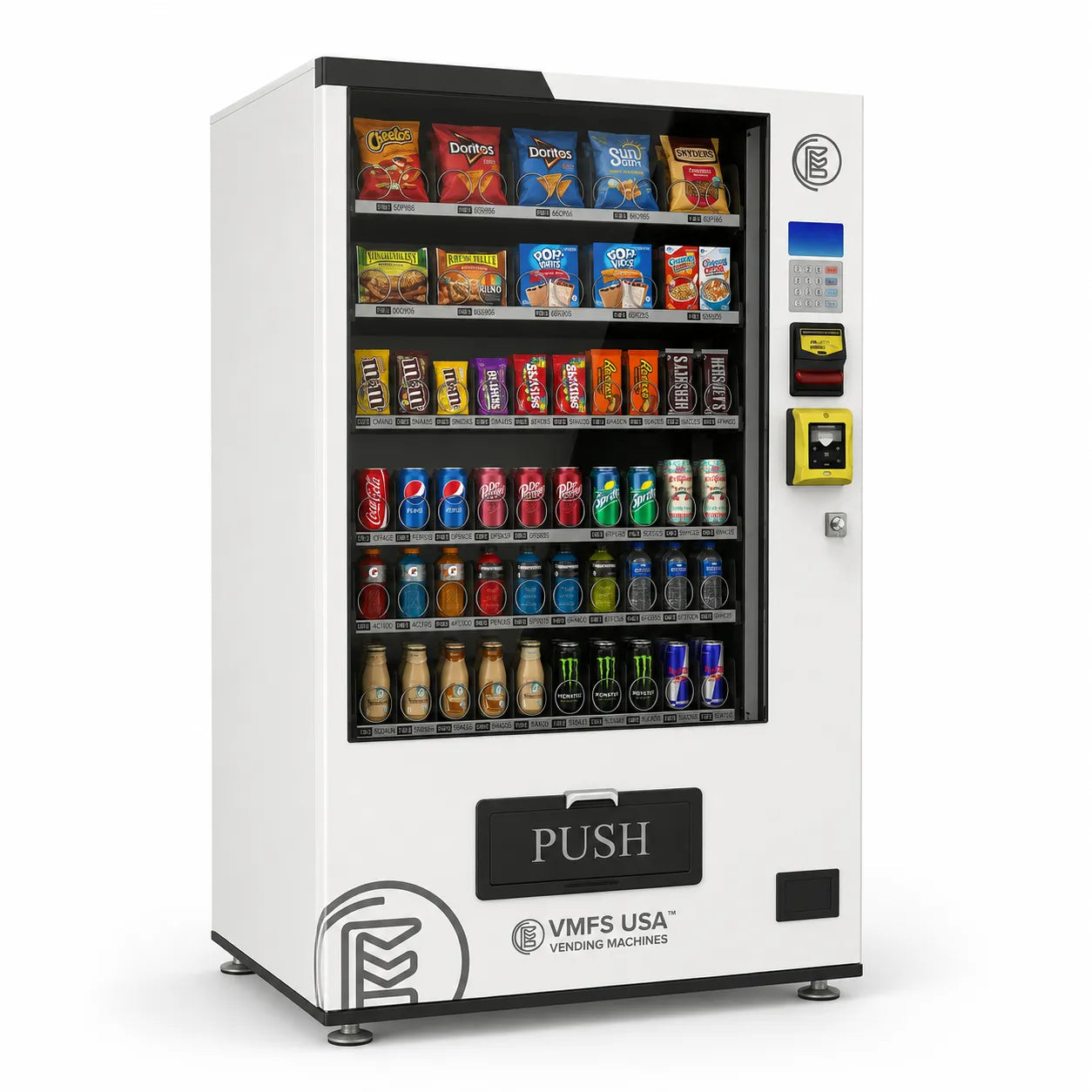
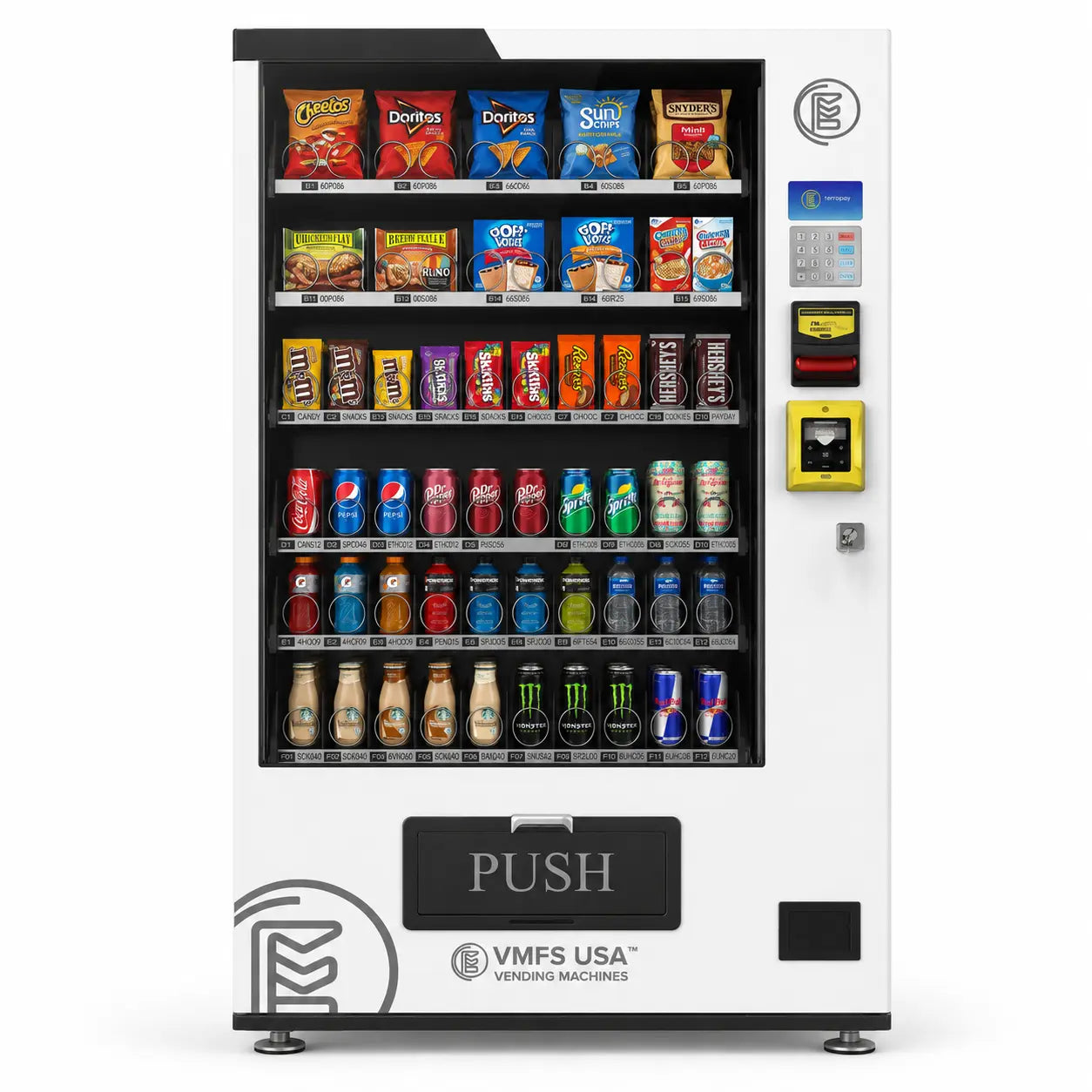
Cuando describimos una máquina expendedora VMFS como “Plug & Play”, no nos referimos a un dispositivo de juguete ni a un equipo simplificado.
Queremos decir que su máquina llega lista para funcionar como un sistema minorista completo, no como un proyecto que necesita construir desde cero.
Este artículo explica exactamente qué incluye.
1. Qué viene con la máquina
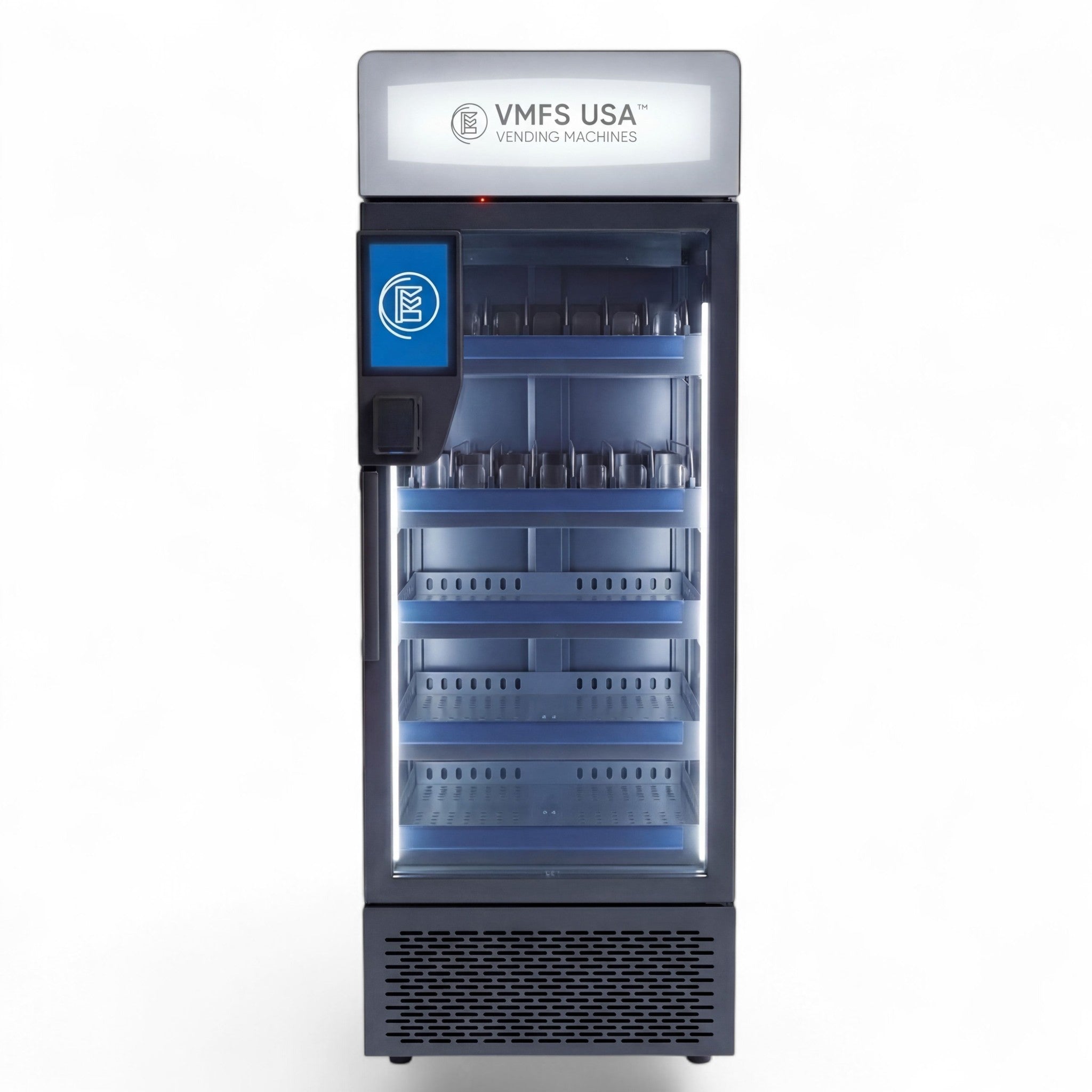
Cuando se entrega su máquina VMFS, llega:
- Completamente ensamblado
- Probado en fábrica
- Cableado interno
- Sistema de refrigeración calibrado
- Motores de venta o sistema de ascensor configurados
- Pantalla táctil (si está incluida) instalada
- Software interno precargado
No estás ensamblando componentes.
Estás implementando una unidad minorista terminada.
2. Qué debe hacer tras la entrega
Plug & Play no significa “no realizar ninguna configuración”.
Significa pasos operativos mínimos.
Después del parto, usted:
- Posicionar la máquina
- Conectarse a la energía
- Activa tu dispositivo de pago
- Conectarse a WiFi o celular
- Cargar inventario
- Realizar prueba de venta
Eso es todo.
Sin cableado.
Sin programación interna.
Sin montaje mecánico.
3. Activación del sistema de pago
El hardware de pago puede ser:
- Preinstalado
- O se envía por separado para su fijación.
La activación normalmente requiere:
- Crear o vincular su cuenta comercial
- Ingresar el ID del dispositivo en el sistema de su proveedor
- Ejecutar una transacción de prueba
La mayoría de los operadores completan la activación en menos de 30 a 60 minutos.
4. Conectividad y configuración de la nube
Si su máquina incluye monitoreo en la nube, usted podrá:
- Conectarse a WiFi o activar el plan de datos SIM
- Confirmar estado en línea
- Inicie sesión en su panel de control en la nube
- Verificar informes de datos en vivo
Desde allí, puedes:
- Ajustar los precios de forma remota
- Seguimiento del inventario
- Monitorear las ventas
- Ver historial de transacciones
La máquina se conecta digitalmente inmediatamente.
5. No se requiere experiencia técnica
No necesitas:
- Antecedentes eléctricos
- Conocimientos de ingeniería
- Habilidades de programación
Los sistemas de venta modernos están diseñados para operadores comerciales, no para técnicos.
Si puedes operar un teléfono inteligente, puedes operar el sistema.
6. Lo que NO significa Plug & Play
No significa:
- Sin curva de aprendizaje
- Sin planificación empresarial
- Sin gestión de inventario
- Sin mantenimiento a lo largo del tiempo
Plug & Play simplifica la implementación, no la responsabilidad de propiedad.
7. Máquinas tradicionales vs. sistemas Plug & Play
Los sistemas de venta tradicionales más antiguos a menudo requerían:
- Ajustes manuales de precios internos
- Sin monitoreo remoto
- Configuración de solo efectivo
- Ajustes mecánicos para cambios
Los sistemas VMFS Plug & Play modernos permiten:
- Cambios de precios remotos
- Monitoreo en tiempo real
- Operación sin efectivo
- Pantalla táctil del producto (si se selecciona)
- Actualizaciones modulares a lo largo del tiempo
Estás instalando un sistema de venta minorista, no solo un dispensador de refrigerios.
8. Tiempo hasta el estado operativo
La mayoría de los operadores están plenamente operativos en:
1–2 horas después del parto
Esto incluye:
- Posicionamiento
- Conectividad
- Activación de pago
- Media
El negocio puede comenzar a generar ingresos el mismo día.
9. Flexibilidad de actualización
Los sistemas VMFS son modulares.
Con el tiempo, podrás:
- Añadir dispositivos sin efectivo
- Actualizar módulos de pago
- Añadir monitorización en la nube
- Cambiar el diseño del envoltorio
- Actualizar el software de interfaz de usuario
- Reemplazar componentes intercambiables en caliente
No estás encerrado en un sistema estático.
10. ¿Para quién está diseñado Plug & Play?
Los sistemas Plug & Play son ideales para:
- Operadores primerizos
- Propietarios de pequeñas empresas
- Empresas que solicitan venta interna
- Empresas que implementan múltiples unidades
- Operadores internacionales que necesitan una configuración simplificada
Reduce la fricción en la etapa de implementación.
Pensamiento final
El objetivo de Plug & Play es simple:
Reducir la complejidad.
Reducir el retraso.
Reducir el riesgo.
Para que puedas concentrarte en lo que realmente importa:
- Ubicación.
- Estrategia de producto.
- Datos.
- Crecimiento.
Compartir:
¿Qué sistema es adecuado para usted?