The trading card market has grown steadily over the last decade. What many once viewed as a childhood pastime has become a structured collectible space with clear demand, established resale channels, and measurable value trends. As a result, interest in the
best trading cards to collect continues to rise among hobbyists, long term collectors, and value focused buyers.
Several factors drive this renewed attention. First, nostalgia plays a powerful role. Many adults return to collecting after reconnecting with cards from their youth. Second, online marketplaces now make pricing transparent and accessible. Finally, physical access to cards has expanded. Today, collectors often encounter sealed packs through vending machines placed in malls, arcades, and entertainment centers, which lowers the barrier to entry.
In addition, collecting no longer requires deep industry knowledge at the start. Beginners can buy packs, learn gradually, and refine their focus over time. A
trading card vending machine often serves as a first exposure point, especially for casual buyers who may not seek out a hobby shop. This accessibility has helped grow the overall market.
This guide focuses on the
best trading cards to collect based on long term appeal, demand consistency, and historical performance. The goal is to help readers understand not only what to collect, but also why certain cards perform better than others. By understanding the fundamentals early, collectors can avoid common mistakes and build collections with purpose.
Before exploring specific categories, it is important to understand what gives a trading card its value. That foundation makes every future decision more informed and intentional.
What Makes the Best Trading Cards to Collect Valuable
Collectors often define the
best trading cards to collect by value, demand, and long term relevance. Several core factors influence these outcomes. When collectors understand these elements, they can evaluate cards more clearly and avoid emotional or impulse driven purchases.
Rarity and Supply Control
Rarity plays a central role in card valuation. Cards produced in smaller quantities usually attract more attention because fewer examples exist in the market. For this reason, first editions, short print cards, and limited releases often command higher prices.
Manufacturers now publish print run information more frequently, which helps collectors assess supply early. In contrast, older cards require market analysis to estimate scarcity. Even so, consistent demand paired with limited supply often leads to long term value growth.
Condition and Preservation
Condition directly affects a card’s desirability. Collectors prefer sharp corners, clean surfaces, proper centering, and minimal wear. Damage lowers value quickly, even for rare cards.
Because condition matters so much, many collectors use professional grading services. Grading assigns a numerical score and seals the card in protective packaging. As a result, buyers trust graded cards more, and sellers can price them with greater confidence.
Popularity and Franchise Strength
Popularity drives demand. Cards tied to well known athletes, characters, or franchises consistently outperform obscure releases. Cultural relevance keeps interest alive, especially across generations.
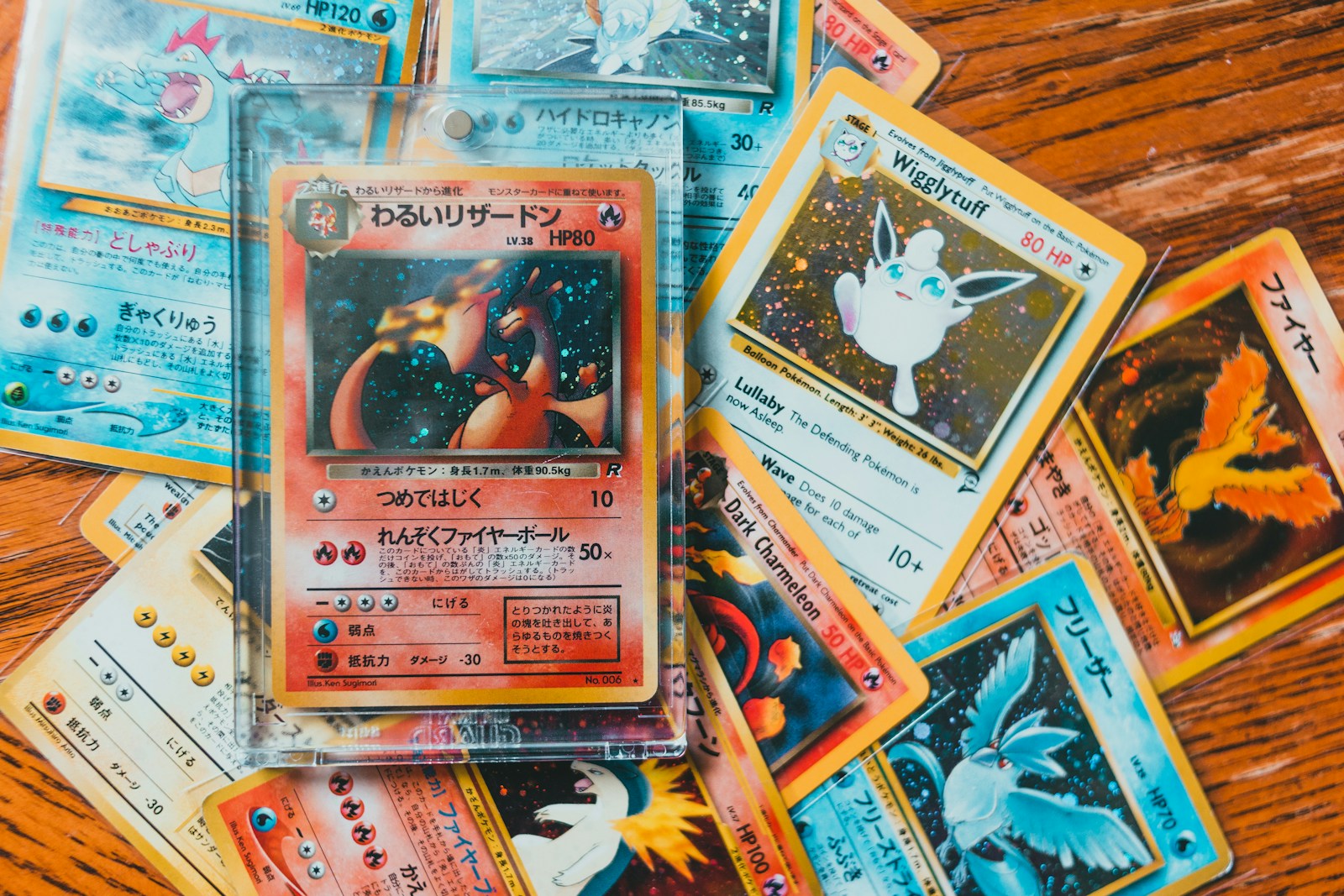
For example, Pokémon remains one of the strongest trading card markets because it connects nostalgia with ongoing media exposure. Many collectors first encounter these cards through retail displays or
Pokemon card vending setups placed in public spaces. That visibility brings in new collectors who later pursue higher value cards.
Market Activity and Resale Potential
Strong markets support strong prices. A card’s value depends on how easily collectors can buy and sell it. Active markets create liquidity, which allows collectors to exit positions without long delays or steep discounts.
Established categories such as sports cards and major trading card games benefit from large collector bases and frequent transactions. Consequently, pricing data stays current and reliable. This transparency helps collectors evaluate the
best trading cards to collect with greater accuracy.
Longevity and Historical Importance
Some cards rise quickly and fade just as fast. Others grow steadily because they represent key moments, early releases, or legendary careers. Long term relevance often connects to history.
Collectors who focus on longevity typically choose quality over volume. They target fewer cards, but select ones with strong fundamentals. Over time, this approach tends to outperform short term speculation.
Best Trading Cards to Collect in Sports Categories
Sports cards form one of the most established segments in the trading card industry. Many collectors consider them the
best trading cards to collect because they combine history, emotional connection, and consistent demand.
Why Sports Cards Remain Popular
Sports cards benefit from clear narratives. Player careers, championships, and records create natural milestones that collectors follow. As players achieve success, interest in their cards often increases.
In addition, sports leagues maintain strong fan bases year after year. This ongoing engagement supports resale markets and keeps demand active. As a result, sports cards often provide stability compared to newer or niche categories.
Baseball Trading Cards
Baseball cards anchor the history of card collecting. Vintage releases from early eras attract serious collectors, especially when they feature iconic players. These cards often serve as long term collection cornerstones.
Modern baseball cards also hold value potential. Rookie cards, autographs, and serial numbered releases draw attention, particularly when players perform consistently. Baseball’s long standing cultural presence supports ongoing interest.
Basketball Trading Cards
Basketball cards have expanded rapidly due to global fandom and media exposure. Star driven storylines and highlight culture keep collectors engaged. Rookie cards from elite players often become the most sought after items.
However, collectors benefit from patience. While hype can drive early prices, long term value depends on sustained performance. Therefore, many experienced collectors balance current stars with established legends.
Football and Global Sports Cards
Football cards attract steady demand due to the sport’s popularity and seasonal excitement. Quarterbacks often dominate values, although championship teams can elevate other positions as well.
Meanwhile, soccer cards continue to grow as collecting becomes more global. International tournaments and club competitions expose players to worldwide audiences. This expansion supports long term relevance.
As access points increase, including vending machines placed in entertainment venues, more fans encounter sports cards casually. Over time, these entry points convert casual buyers into dedicated collectors.
If this revised version meets your requirements, I will proceed with the next sections covering non sports trading cards, where to buy trading cards, and practical collection strategies.
Best Trading Cards to Collect Beyond Sports
Non sports cards continue to rank among the
best trading cards to collect because they combine nostalgia, entertainment value, and long term cultural relevance. Unlike sports cards, which depend on player performance, non sports cards often rely on franchise strength and generational loyalty. As a result, demand tends to remain stable even when individual releases fluctuate.
Pokémon Trading Cards
Pokémon cards represent one of the strongest non sports collecting categories. Their success comes from a long running franchise, global recognition, and consistent product releases. Early era Pokémon cards attract serious collectors, while modern sets bring in new buyers every year.
Because Pokémon appeals to both children and adults, the collector base continues to expand. Many collectors first encounter sealed packs through retail displays or
Pokemon card vending placed in malls and entertainment centers. These easy access points often spark long term interest.
For collectors focused on the
best trading cards to collect, Pokémon offers a mix of nostalgia driven value and modern collectibility. Limited editions, special illustrations, and graded cards tend to perform best over time.
Magic: The Gathering and Other Trading Card Games
Magic: The Gathering holds a unique position in the market. It combines competitive gameplay with collectible value. Certain early era cards remain highly desirable due to limited print runs and historical importance.
Unlike some collectibles, Magic cards retain utility within the game itself. This dual purpose supports demand even during market shifts. Other trading card games follow similar patterns, although long term success depends on sustained player communities.
Collectors who prefer structure and strategy often gravitate toward trading card games. These cards reward knowledge, patience, and careful selection.
Entertainment and Franchise Based Cards
Cards based on movies, television, and popular media also attract collectors. While not every franchise holds value, established brands with lasting fan bases perform better. First releases and limited sets tend to generate the most interest.
When evaluating non sports cards, collectors should focus on franchise longevity rather than short term hype. This approach aligns with long term collecting goals.
Where to Buy the Best Trading Cards to Collect
Knowing where to buy cards matters almost as much as knowing what to buy. Access points have expanded significantly, which makes collecting easier for beginners and seasoned buyers alike.
Online Marketplaces
Online platforms offer the widest selection of trading cards. Collectors can compare prices, review condition, and track market trends. This transparency helps buyers evaluate the
best trading cards to collect with confidence.
However, buyers should verify seller reputations and understand grading standards. Careful review reduces the risk of overpaying or receiving damaged cards.
Local Card Shops and Events
Local shops provide hands on access to cards and expert insight. Many collectors value the ability to inspect cards in person and build relationships within the community.
Card shows and conventions also play an important role. These events allow collectors to see rare cards, negotiate prices, and learn from experienced sellers.
Vending Machines and Specialty Retail
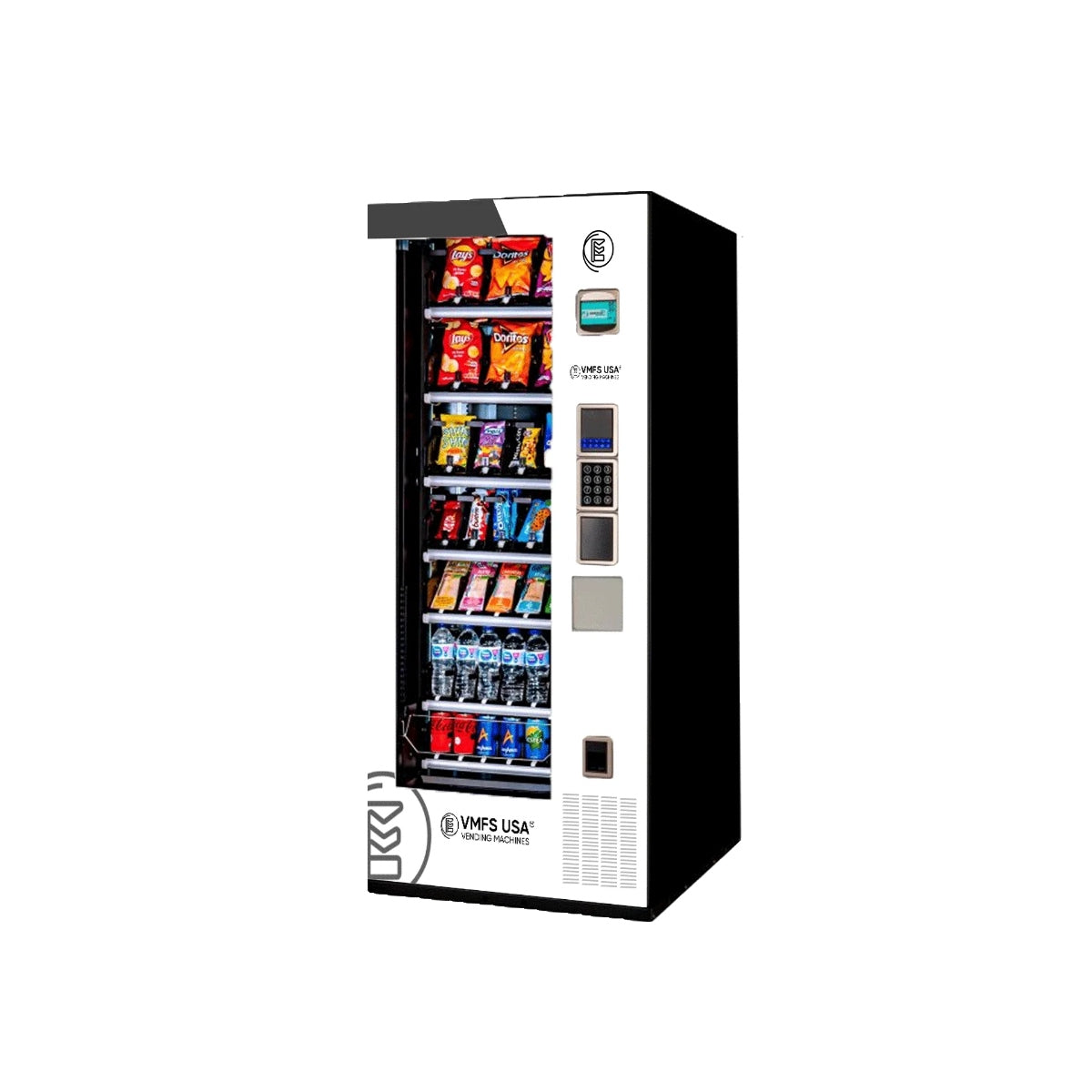
In recent years, vending machines have become a notable entry point for trading cards. A
trading card vending machine allows buyers to purchase sealed packs quickly and conveniently.
These machines often appear alongside other
specialty vending machines concepts that focus on collectibles or niche products. While vending machines usually sell modern packs rather than rare singles, they play an important role in introducing new collectors to the hobby.
Tips for Building a Strong Trading Card Collection
Successful collectors follow clear strategies. Rather than buying randomly, they set goals and refine their focus over time. This approach improves both enjoyment and long term outcomes.
Start with Personal Interest
Collectors should begin with cards they genuinely enjoy. Interest helps sustain motivation during market fluctuations. Over time, knowledge grows naturally, which leads to better decisions.
Learn Basic Grading and Storage
Proper storage protects value. Sleeves, top loaders, and protective cases prevent damage. Understanding grading standards also helps collectors assess condition accurately.
For those pursuing the
best trading cards to collect for value, grading often becomes part of the long term plan.
Track Trends but Avoid Hype
Market trends provide useful signals, but hype can distort prices. Collectors benefit from patience and research. Long term value usually favors established categories and proven franchises.
Conclusion: Choosing the Best Trading Cards to Collect
The
best trading cards to collect are the ones that match your goals and your taste. If you want stability, start with established sports categories and focus on rookies, legends, and graded condition. If you prefer franchises and artwork, Pokémon and major trading card games can offer long term demand, especially for early era cards, limited prints, and cards in strong condition.
As you build your collection, keep the basics simple. Buy what you understand, protect your cards, and track real sales data instead of hype. Over time, this approach helps you spot value, avoid overpaying, and build a collection you actually enjoy.
Also consider where you buy. Online marketplaces and local card shops offer selection and pricing transparency. Meanwhile, vending machines can work as a convenient way to pick up modern sealed packs, especially when you see a
trading card vending machine placed in a mall or entertainment venue. In some areas, you may even find
Pokemon card vending options as part of a
specialty vending machine lineup. These channels rarely offer rare singles, but they can still help collectors stay consistent with sealed product buying.
In the end, the
best trading cards to collect are the cards you can explain in one sentence: why they matter, why demand exists, and why you want them in your collection. Start with one category, learn it deeply, and let your collection grow with intention.



Share:
What Trading Cards Are Worth Money And How To Sell Them For Profit
How To Get A Vending Machine Permit In Arizona (License, Costs, And Requirements)