




Design the perfect vending solution for your location and customers.

Join the VMFS newsletter and step into a thriving network dedicated to collective success.
One signup. Endless possibilities.
When people ask “what trading cards are worth money” they are not just talking about nostalgic childhood collections. In 2025 and beyond, trading cards have become a significant collector and investment market where some cards are worth thousands, even millions of dollars. The value depends on rarity, condition, demand, and the cultural significance of the card. Some of the most valuable cards ever sold include iconic sports and collectible cards such as a 1952 Topps Mickey Mantle baseball card that fetched over $12 million and a T206 Honus Wagner card that has commanded multi-million dollar sales. These high values reflect both scarcity and historic demand in the market. The very top tier of trading cards, when professionally graded and in mint condition, can exceed prices most casual collectors never expect to see. Understanding what trading cards are worth money means looking at the market, identifying categories with proven value, and assessing how condition and grading impact price. Whether you are evaluating old packs in your attic or recent releases, knowing what drives value is the first step in selling trading cards for profit.
Collectible cards that are worth money include vintage sports cards (like the 1952 Topps Mickey Mantle), iconic TCG grails (such as 1st Edition Shadowless Pokémon Charizards and MTG’s Black Lotus), and low numbered modern 1 of 1 parallels or rookie autographs. Card values are driven primarily by professional grading (PSA 9 or 10 Gem Mint condition), extreme print scarcity, and historical character or player demand.
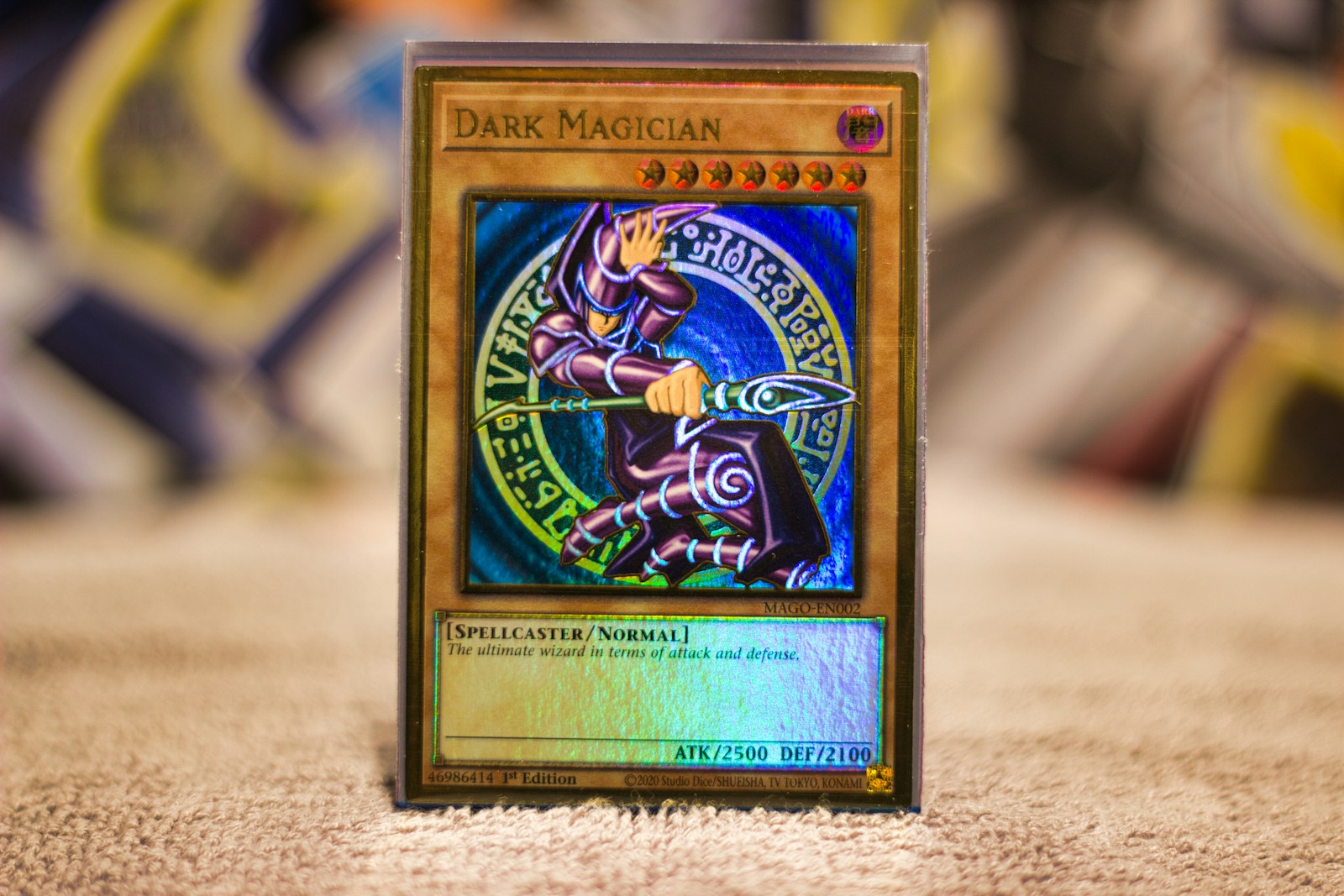
Trading cards that are worth money today generally fall into a few key categories. These categories reflect broad collector interest, strong historical value, and deep secondary markets where buyers actively compete for rare items. Sports Trading Cards vending remain the backbone of the collectible card market. Vintage baseball cards, especially rookie cards, are among the most expensive ever sold. Cards featuring icons like Mickey Mantle or modern stars with rookie designation regularly break records in auction settings. These cards are worth money because they combine scarcity with iconic popularity. Collectible Game Cards such as Pokémon, Magic: The Gathering, and Yu-Gi-Oh! are worth money when they are rare, first edition, or feature unique traits. Pokémon cards have seen extraordinary demand and long-term growth in value, with prices sometimes appreciating at rates far higher than traditional market indexes over decades. Special Edition and Promotional Cards also hold value because they were produced in limited quantities or were only available in special events or merchandise sets. These cards often attract serious collectors who value exclusivity. Whether it is a historic sports rookie card or a rare card from a collectible card game, the categories above consistently produce cards that are worth money on the open market. Identifying which of your cards fit these groups is a key part of how to sell trading cards for profit.
Not every trading card in a collection is worth money, even if it has sentimental value. Knowing which cards are worth selling involves understanding condition, grading, rarity, and current market demand. Condition is one of the most important factors. Cards with pristine edges, perfect centering, and no surface damage command the highest prices. Collectors and buyers often rely on professional grading services that assign a score, usually on a scale of 1–10. A high grade, especially on a rare card, can dramatically increase its value compared to an ungraded copy. Rarity influences value. Cards printed in limited quantities, cards from early or first edition sets, and cards that were distributed only through special events or with exclusive features tend to be worth more money. Modern releases with low production runs or sealed promotional items are similarly prized. Market interest and demand vary over time. Some cards rise in value because of a surge in interest driven by player performance, nostalgia, or pop culture relevance. For example, rookie cards of recently successful athletes or iconic characters from major franchises often attract strong bidding activity. Checking recent sale prices on reputable marketplaces and auction records helps determine what trading cards are worth money right now. By combining a clear view of condition, rarity, and current market demand, you can be confident in identifying which trading cards are worth selling and how to approach selling them for profit.
Once you understand what trading cards are worth money, the next step is knowing how to sell trading cards for profit in a realistic and repeatable way. Profit does not come from selling every card. It comes from choosing the right sales channel, pricing correctly, and matching the selling method to the type of card.
Different selling methods work better for different types of cards. High-value singles, bulk packs, and sealed products each perform differently depending on where they are sold.
One of the most important decisions when selling trading cards for profit is whether to sell single cards or sealed products. Each approach serves a different buyer mindset.
| Product Type | Buyer Motivation | Profit Style | Best Selling Channel |
|---|---|---|---|
| Single high-value cards | Specific collection goals | High margin, slower turnover | Online marketplaces, auctions |
| Graded cards | Investment and authenticity | Premium pricing | Online platforms, collectors |
| Sealed packs and boxes | Chance-based excitement | Moderate margin, faster sales | Retail, vending, impulse channels |
| Bulk cards | Resale or casual collecting | Low margin, high volume | Wholesale, local buyers |
Pricing trading cards correctly is critical. Overpricing slows sales, while underpricing leaves money on the table. Sellers who perform best usually follow a simple pricing discipline.
Many sellers focus on volume, but profit depends more on matching the card type to the right selling method. High-end cards benefit from patience and visibility. Sealed products benefit from accessibility and convenience. This is why newer selling channels, including automated retail and vending, have become relevant for trading cards. They do not replace traditional marketplaces, but they offer a different path to profit, especially for sealed packs and modern collectibles.
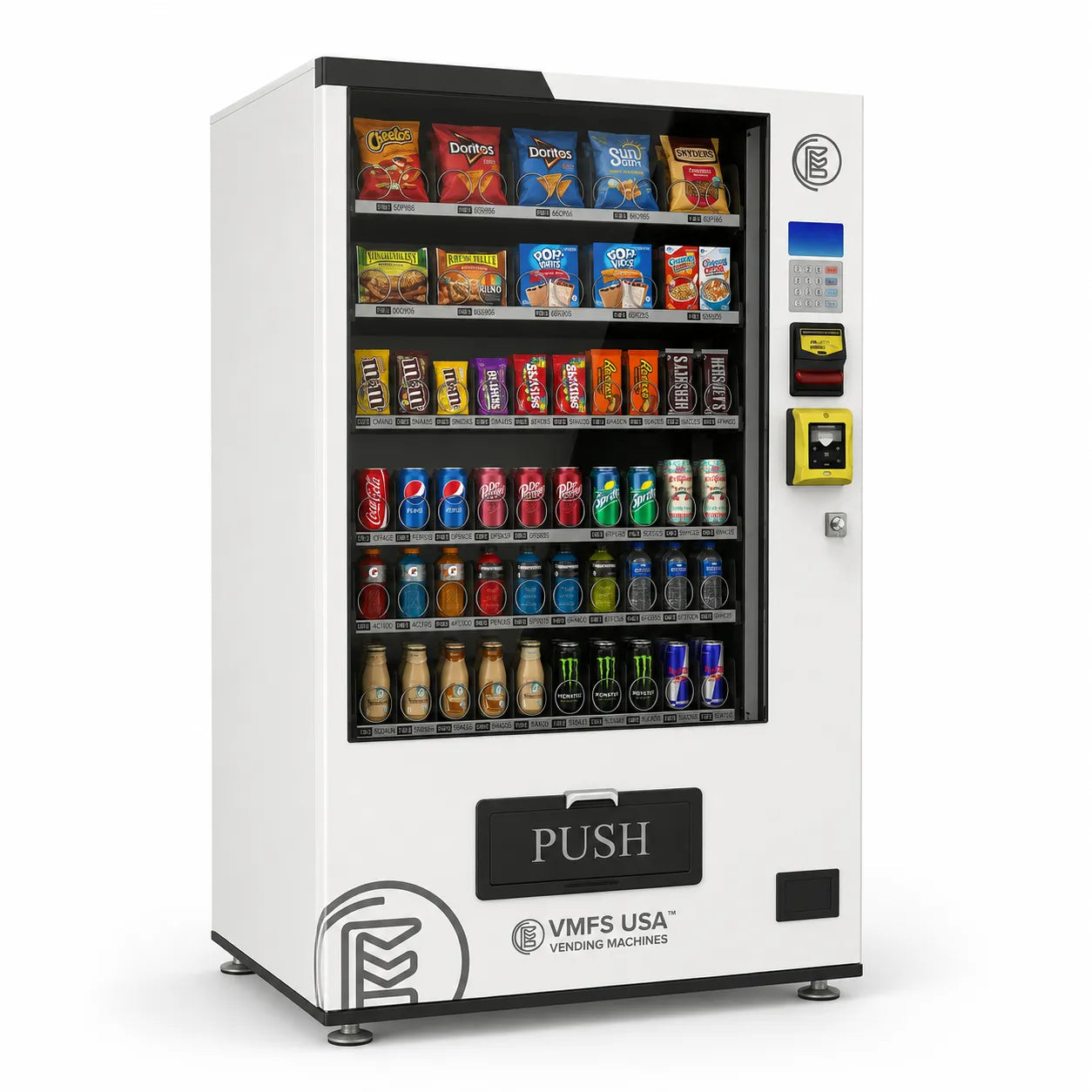
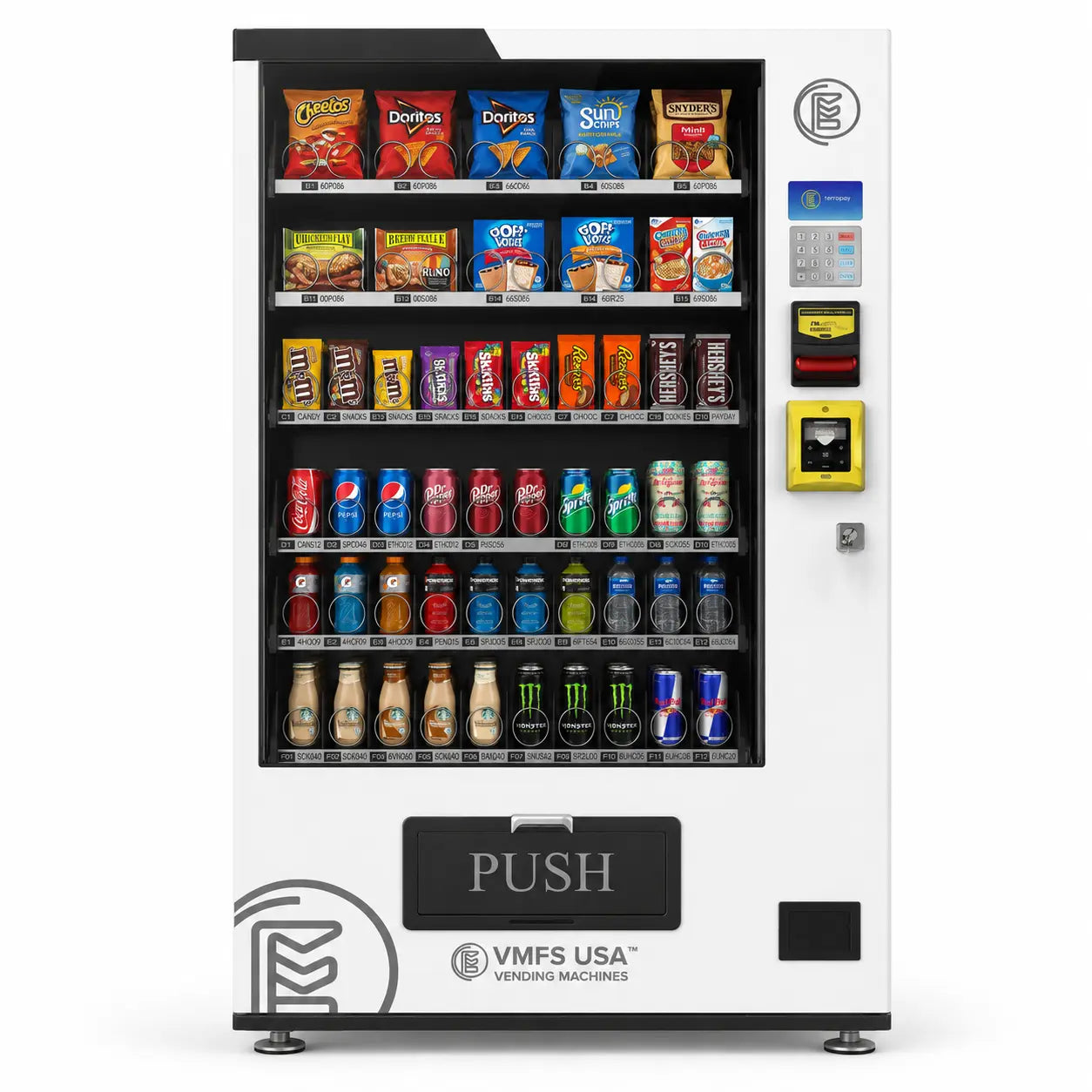
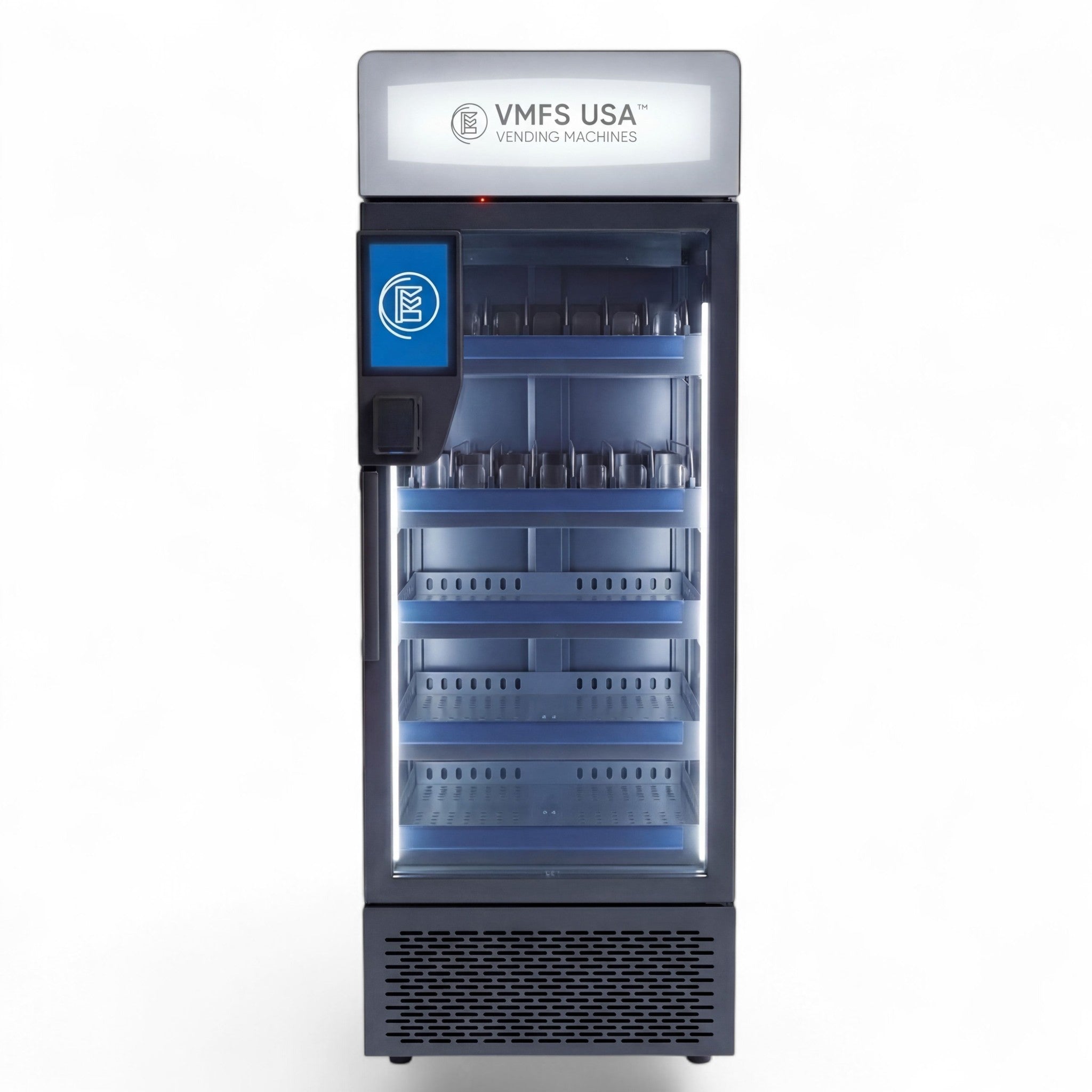
As more people look for alternative ways to sell trading cards for profit, vending machines have emerged as a practical distribution channel. Trading cards work especially well in vending because they are compact, collectible, and driven by impulse buying behavior. Unlike single-card sales that rely on patient collectors, vending focuses on sealed packs and modern products. Buyers are not purchasing a specific card. They are buying the experience, the chance, and the convenience. Trading card vending machines perform best in locations where foot traffic is consistent and customers are already comfortable with automated purchases. These environments favor sealed packs, mystery bundles, and officially branded products. From an operational perspective, vending offers several advantages:
Many sellers use vending alongside other sales channels rather than replacing them. High-value cards remain better suited for online or auction platforms, while vending machines handle volume, accessibility, and repeat casual buyers.
Among all trading cards worth money today, Pokémon cards stand out as one of the most consistently strong performers. Demand spans multiple age groups, from long-time collectors to new buyers entering the market. Pokémon cards vending work particularly well in vending environments because brand recognition is immediate. Buyers understand the product without explanation, which reduces hesitation at the point of sale. In vending, the focus typically stays on modern sealed packs rather than vintage singles. This approach supports faster turnover and reduces risk tied to grading and condition disputes. Other modern collectibles also perform well when presented correctly, including:
The key to success with Pokémon and modern collectibles is transparency. Clear labeling, sealed packaging, and visible branding help build trust, especially in unattended retail environments.
Understanding what trading cards are worth money starts with knowing the market, but profit depends on execution. Not every card has value, and not every selling method fits every product. High-value and graded cards benefit from patient selling through established marketplaces. Sealed packs and modern collectibles thrive in impulse-driven environments, including vending and automated retail. For sellers focused on how to sell trading cards for profit, the most successful strategies combine market awareness, realistic pricing, and the right distribution channel. Vending machines do not replace traditional selling methods, but they add a scalable option for modern trading cards. Trading cards continue to evolve from hobby items into structured retail products. Sellers who understand where value truly exists, and how buyers prefer to purchase, will be best positioned to profit as the market continues to grow.
Share:
The Future of Vending Machines: 2026 Industry Trends for Operators
Best Trading Cards To Collect For Beginners And Collectors