


This is the most common question new operators ask.
The honest answer is:
It depends almost entirely on location quality and product strategy.
The machine itself is rarely the deciding factor.
Below are realistic revenue ranges based on U.S. industry averages.
1. Average Monthly Revenue Per Machine
Low-Traffic Location
$300 – $700 per month gross revenue
Examples:
- Small offices
- Low-foot-traffic buildings
- Small apartment complexes
Moderate-Traffic Location
$800 – $1,500 per month gross revenue
Examples:
- Warehouses with 100–200 employees
- Medium office buildings
- Gyms
- Medical offices
This is where most well-placed machines fall.
High-Traffic Location
$1,500 – $3,000+ per month gross revenue
Examples:
- Hospitals
- Large manufacturing facilities
- High-density hotels
- Busy university buildings
Top-performing locations can exceed $3,000, but that is not average.
2. Understanding Gross vs Net Profit
Revenue is not profit.
Let’s break it down.
Example:
$1,200 monthly gross revenue
Typical product cost:
40% – 60%
Let’s assume 50% product cost:
$600 inventory cost
Remaining:
$600 gross profit
Now subtract:
- Payment processing (3%–6%)
- Occasional spoilage
- Revenue share (if applicable)
- Minor operating expenses
Typical net monthly profit:
$350 – $600 depending on efficiency
3. Payback Period
The average payback period for a properly placed machine is:
8 – 18 months
Factors that affect payback:
- Initial machine cost
- Location strength
- Product pricing
- Revenue share agreements
- Restocking discipline
A weak location may never pay back.
A strong location may pay back in under a year.
4. Revenue Share Impact
If a location takes:
10% of gross revenue:
On $1,200 revenue → $120 paid to location
That reduces profit but may secure better placements.
Some locations require 0%.
Many industrial locations do not request revenue share.
5. The 10% Purchase Rule
A simple planning formula:
Daily Population × 10% purchase rate × Average $2.50 sale × 20 working days
Example:
150 employees
15 purchases per day
$2.50 average sale
= $37.50/day
= $750/month
Increase average sale to $3.00:
= $900/month
Increase purchase rate to 15%:
= $1,350/month
Small changes matter.
6. What New Operators Should Realistically Expect
If you secure a solid moderate-traffic location:
Expect:
$800 – $1,500 gross revenue per month
Net profit:
$300 – $700 per month
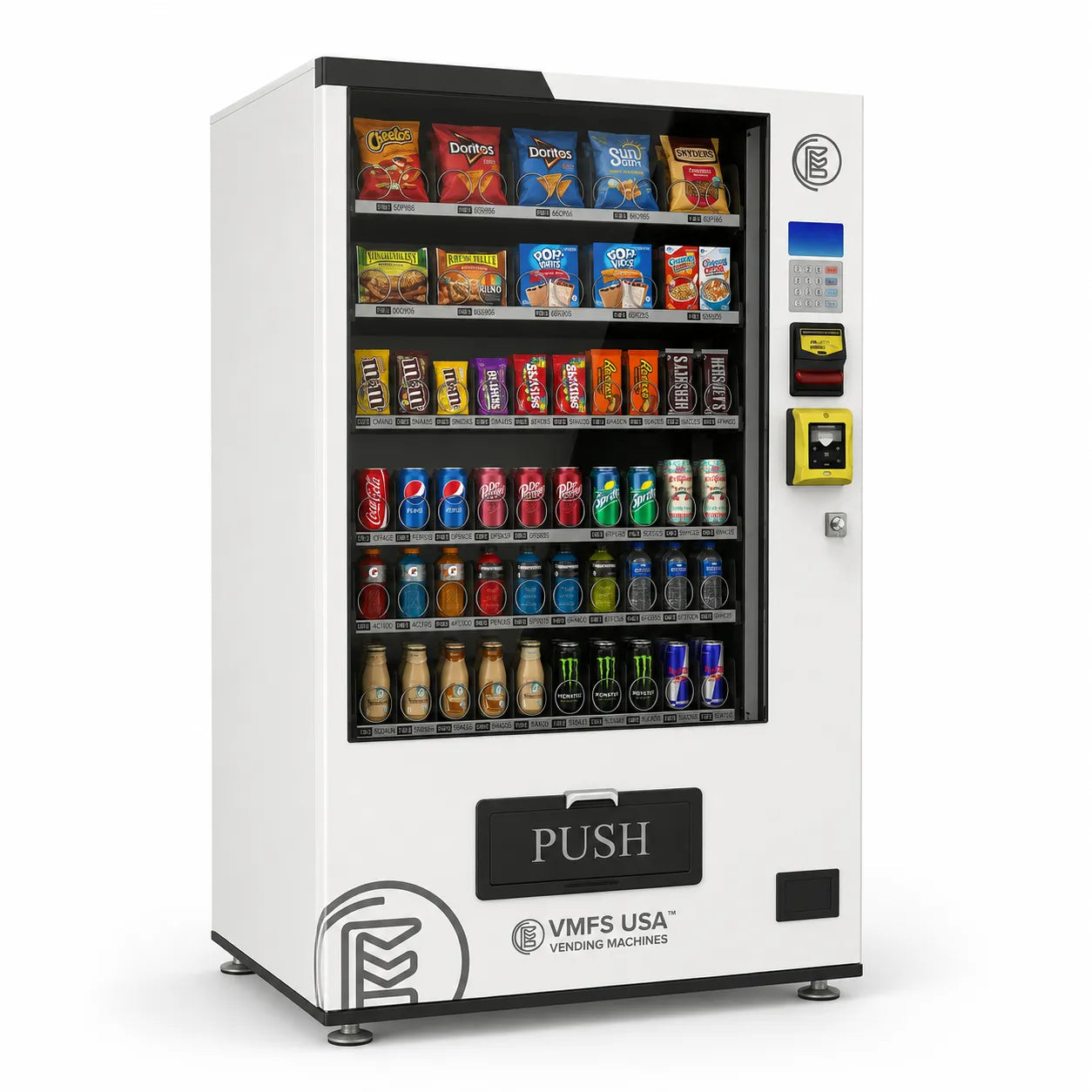
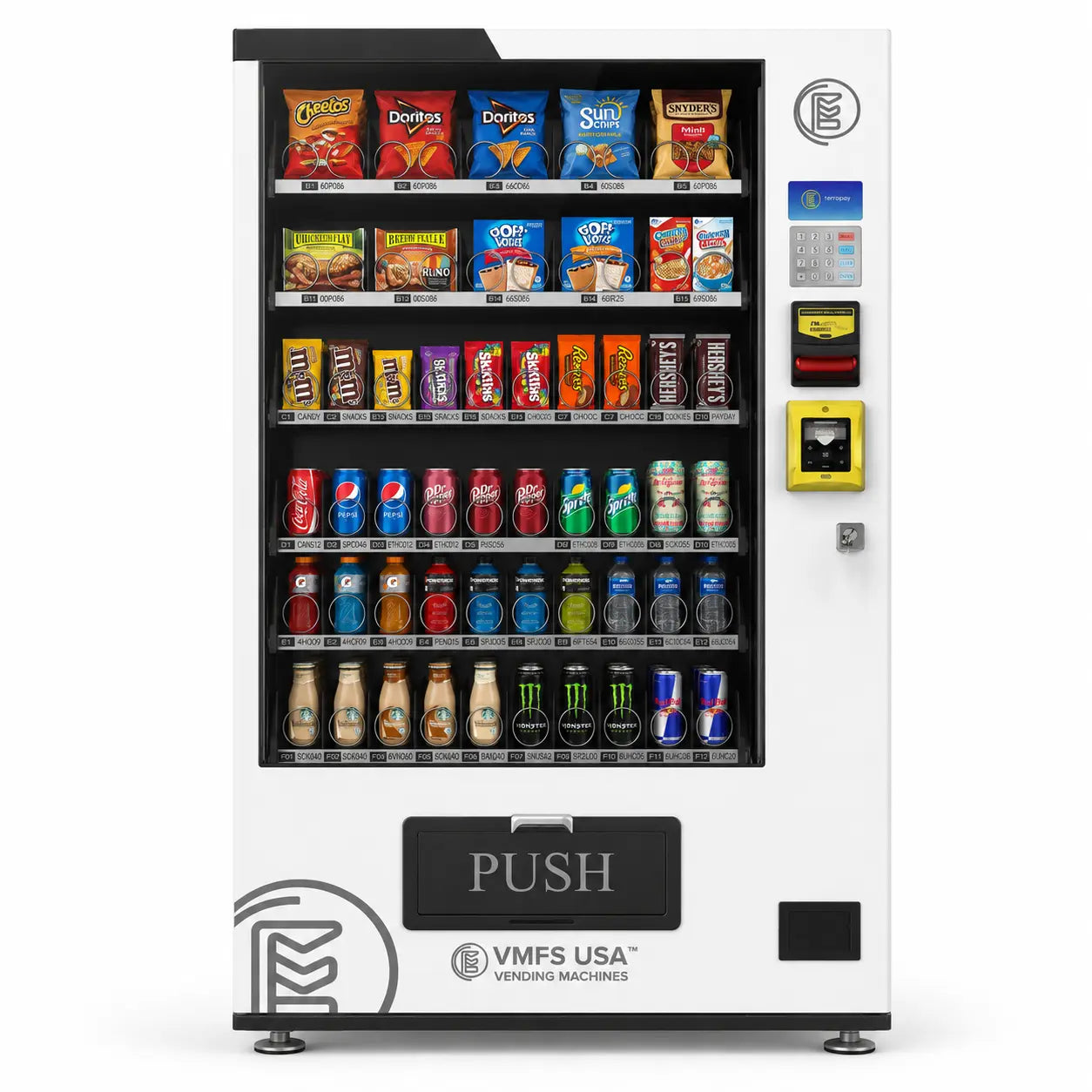
That is realistic for a single well-placed combo machine.
7. Why Some Machines Fail
Revenue drops when:
- Location is weak
- Product mix is wrong
- Pricing is too low
- Machine is poorly visible
- Stock runs empty
- Data is ignored
The machine rarely fails.
Execution does.
8. Scaling Changes the Equation
One machine:
$500 net profit per month
Five machines:
$2,500 net profit per month
Ten machines:
$5,000+ net profit per month
Vending becomes powerful when systems are duplicated.
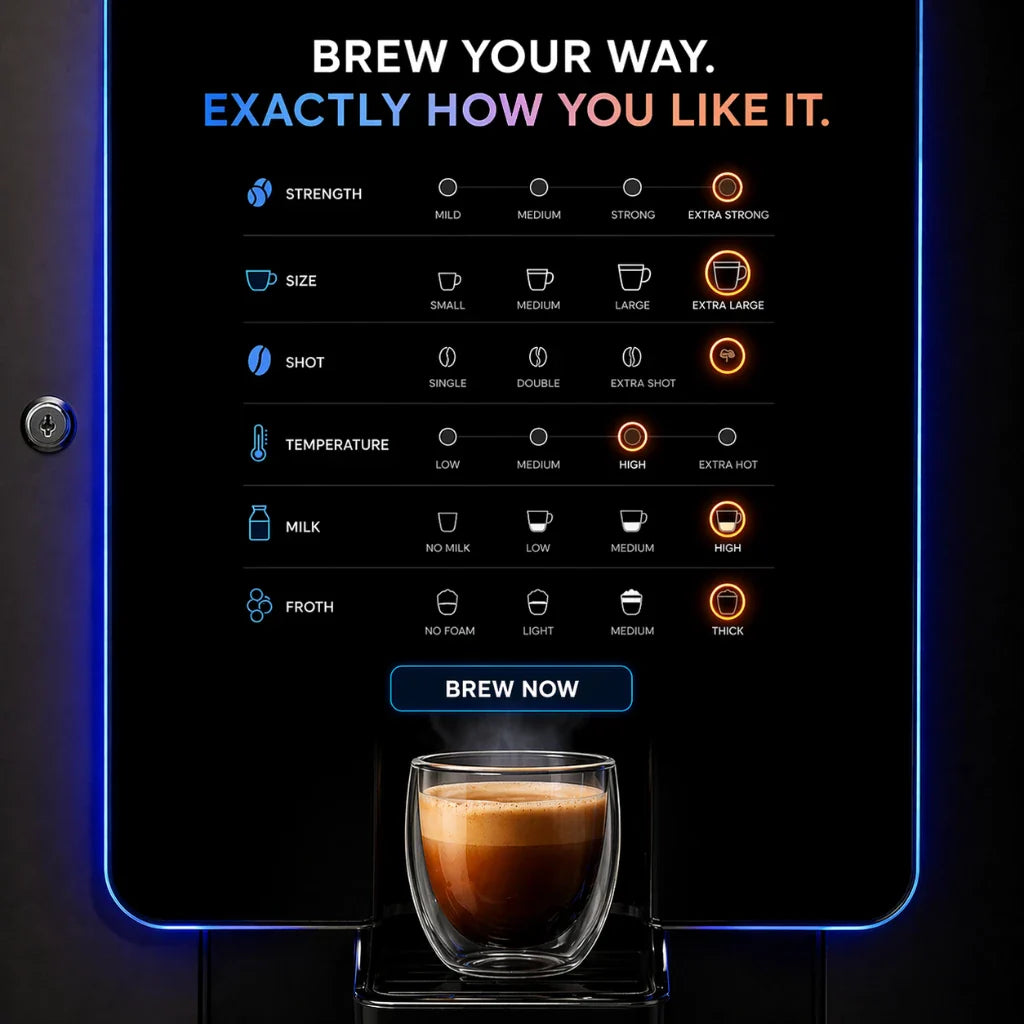
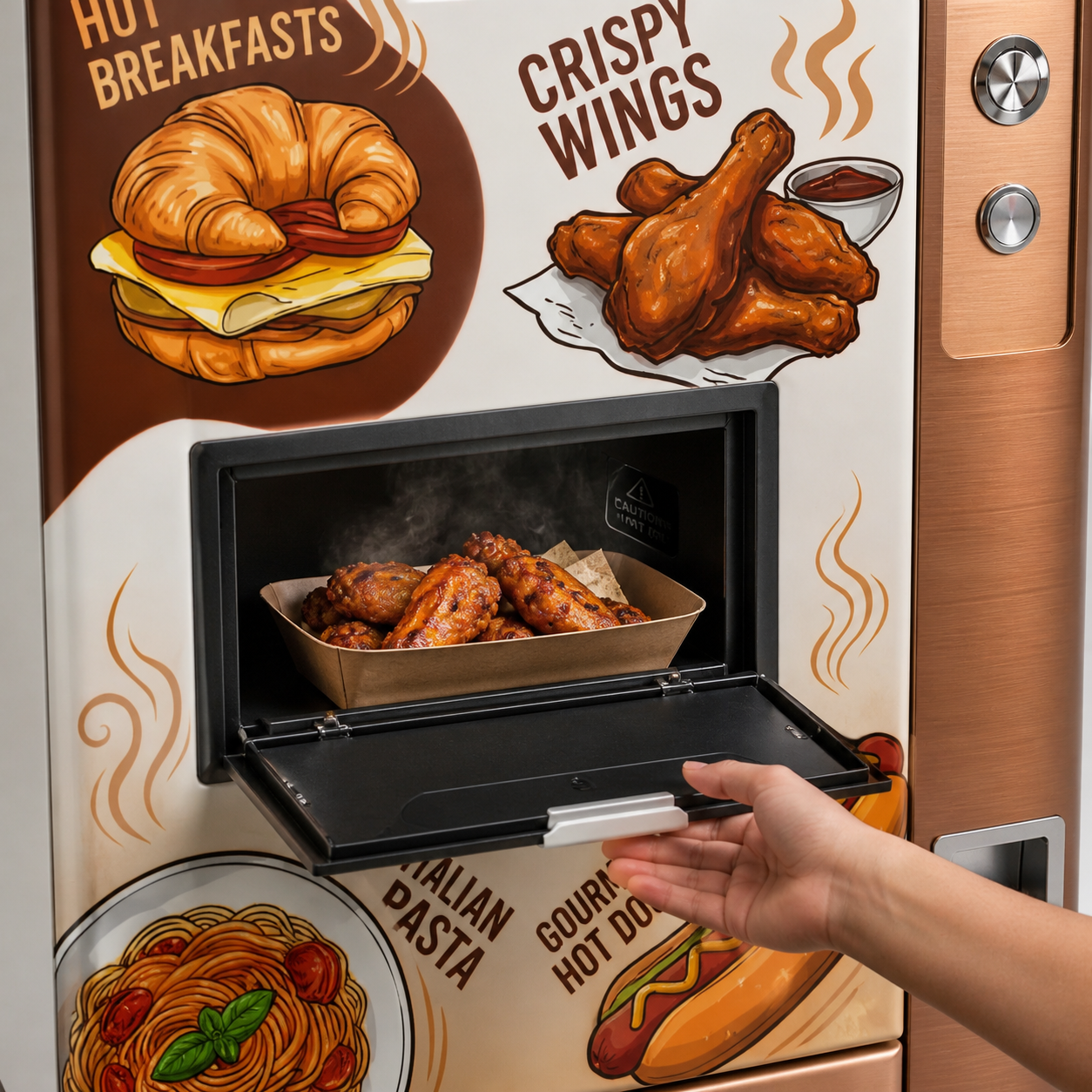
9. Innovative Machine Revenue (Advanced Systems)
Higher-ticket systems like:
- Coffee vending
- Fresh food
- Pizza vending
- High-ticket specialty products
Can generate:
$2,000 – $5,000+ monthly revenue
But they also:
- Require stronger locations
- Require stronger operations
- Carry higher startup cost
They are not beginner models.
10. Final Truth About Revenue
There is no guaranteed income in vending.
There is predictable income when:
- Location is strong
- Pricing is intentional
- Product mix is optimized
- Operations are consistent
- Data is reviewed regularly
Vending rewards discipline.
Share:
How to Choose the Right Products for Your Vending Machine
What You Need Before Placing a Machine