


Vending machines are commercial-grade equipment.
They are built to run daily — but like any mechanical system, components may wear over time.
The good news:
- Most vending repairs are simple.
- Most components are modular.
- Most issues are not catastrophic.
This guide explains how repairs work and what to expect.
1. Understanding Machine Design
Modern VMFS systems are built with:
- Modular components
- Replaceable motors
- Swappable payment devices
- Replaceable control boards
- Accessible cooling systems
This means:
You rarely replace the entire machine.
You replace the specific part.
2. Most Common Wear Components
Over time, the most commonly replaced parts include:
- Spiral motors
- Product delivery motors
- Elevator belts (on elevator models)
- Card readers
- Bill validators
- Keypads or touchscreen components
- Door locks
These are expected wear components in commercial equipment.
3. Typical Lifespan of Major Components
Under normal use:
- Cabinet structure: 10+ years
- Cooling compressor: 5–10 years
- Payment reader: 3–5 years
- Motors: Replace as needed
- Touchscreen: 5+ years
Proper maintenance extends lifespan significantly.
4. Signs a Part May Need Replacement
Common warning signs:
- Repeated vend failures on same selection
- Grinding or unusual noise
- Card reader intermittently offline
- Cooling not reaching proper temperature
- Elevator not returning to position
Do not ignore early symptoms.
Early replacement is cheaper than delayed failure.
5. How the Repair Process Works
When an issue occurs:
Step 1: Diagnose
- Identify error code (if applicable)
- Test affected selection
- Check connectivity
- Review cloud alerts
Step 2: Contact Support (if needed)
Provide:
- Machine model
- Serial number
- Clear photos or video
- Description of issue
- Error codes
Clear documentation speeds resolution.
Step 3: Part Identification
Support will:
- Confirm faulty component
- Determine warranty eligibility
- Provide replacement options
Step 4: Replacement
Most components:
- Are shipped directly
- Include installation guidance
- Can be installed by the operator
In many cases, replacement takes 15–45 minutes.
6. Do You Need a Technician?
For most standard issues:
No.
Common repairs can be handled by:
- Operator
- In-house maintenance staff
- Local handyman familiar with basic tools
Advanced electrical or refrigeration issues may require a licensed technician.
7. Keeping Spare Parts (For Growing Operators)
Once you operate multiple machines, consider keeping:
- 1 spare motor
- 1 spare card reader
- Basic replacement fuses
- Common wear components
This reduces downtime significantly.
Downtime directly impacts revenue.
8. Shipping & Parts Costs
If part is under warranty:
- Part may be covered
- Shipping policies depend on warranty terms
If out of warranty:
- Replacement part cost applies
- Shipping applies
Replacement parts are significantly less expensive than full machine replacement.
9. Avoiding Major Repairs
Most repair issues come from:
- Overloading trays
- Blocking airflow
- Ignoring temperature warnings
- Using extension cords
- Physical impact damage
Preventative care reduces repair frequency dramatically.
10. When Replacement Makes More Sense
In rare cases, when:
- Machine is 8–10+ years old
- Multiple major components fail
- Cabinet is heavily damaged
Replacing the entire unit may be more economical.
For most operators, this is many years away.
11. Enterprise & Specialty Systems
For:
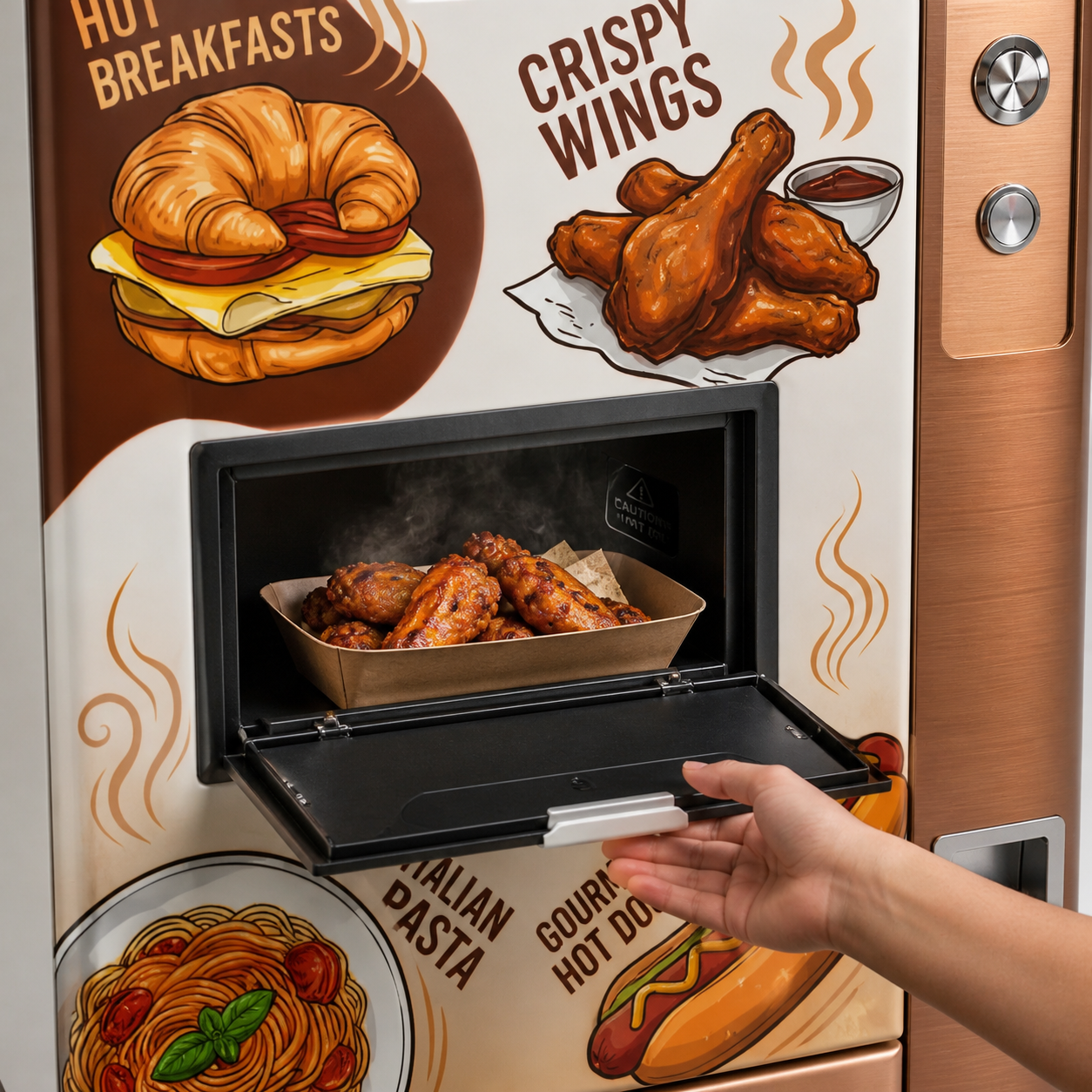
- Fresh food systems
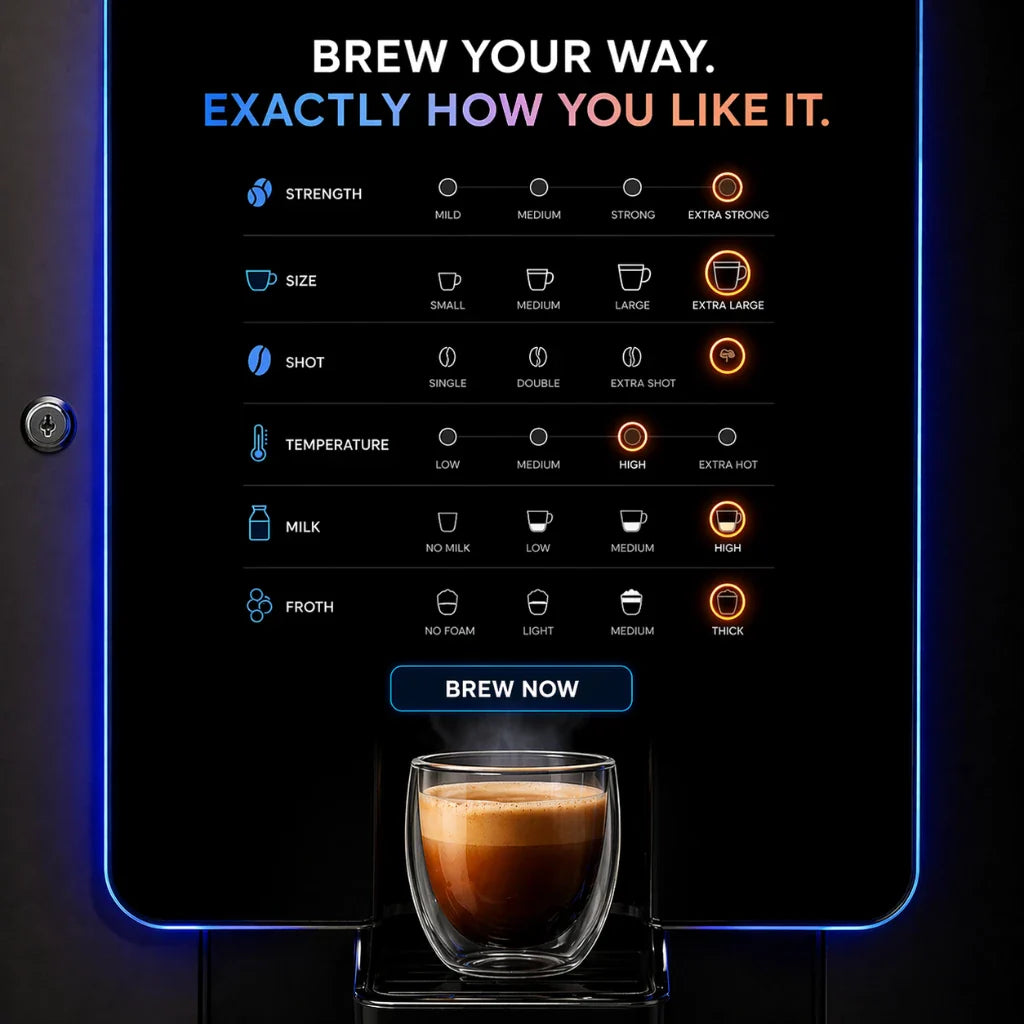
- Coffee machines
- Pizza vending
- High-ticket retail
Maintenance and parts complexity increases.
These systems require:
- Stricter cleaning schedules
- More frequent servicing
- Higher operational oversight
They are powerful — but require discipline.
12. Final Thought
Repairs are part of owning any commercial equipment.
What matters is:
- How quickly you respond
- How prepared you are
- Whether you operate proactively
Most vending repairs are minor.
Calm operators solve issues quickly.
Prepared operators minimize downtime.
Share:
What Is Covered, What Is Not, and How to File a Claim