


When we describe a VMFS vending machine as “Plug & Play,” we are not referring to a toy device or simplified equipment.
We mean that your machine arrives ready to operate as a complete retail system — not a project you need to build from scratch.
This article explains exactly what that includes.
1. What Arrives With the Machine
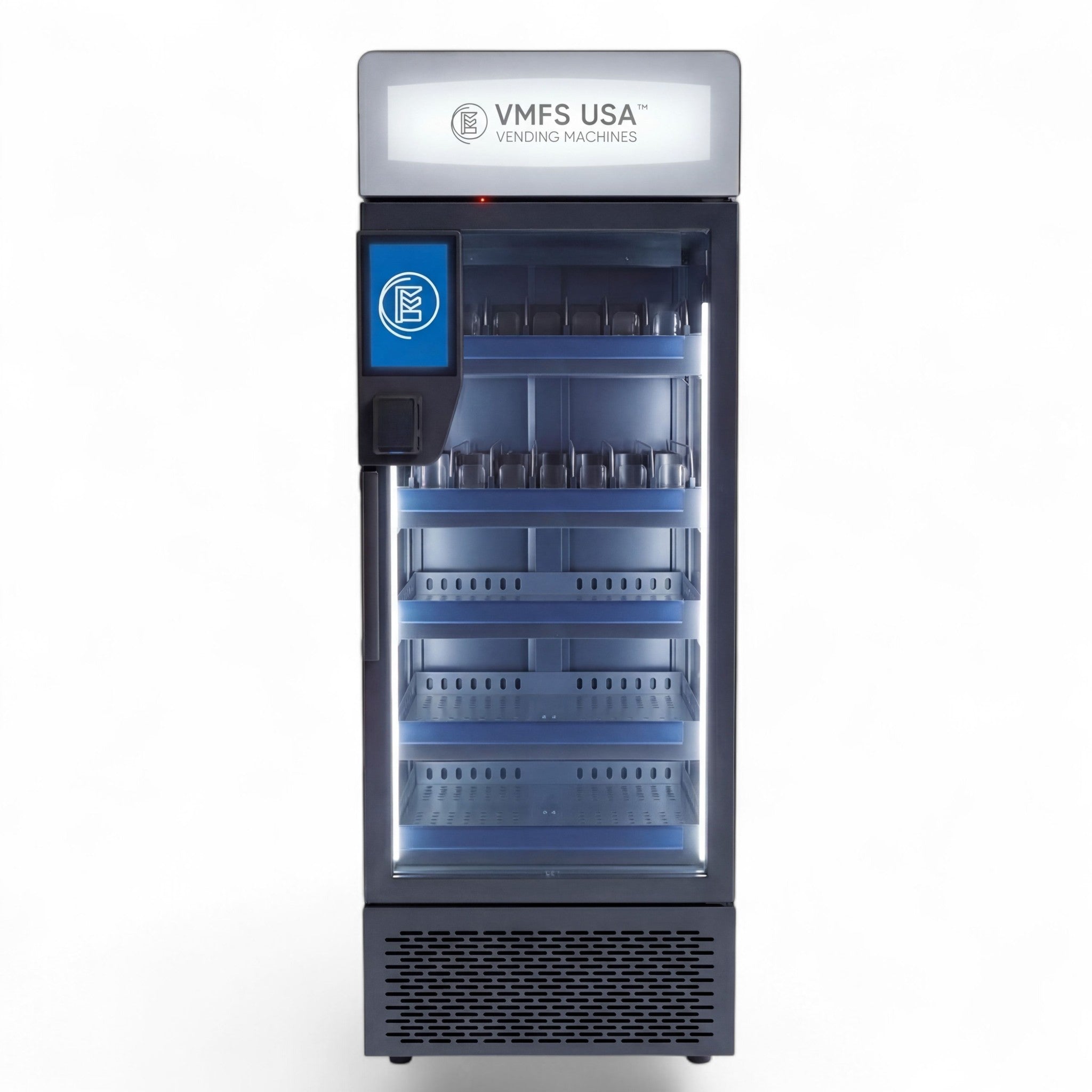
When your VMFS machine is delivered, it arrives:
- Fully assembled
- Factory-tested
- Internally wired
- Cooling system calibrated
- Vend motors or elevator system configured
- Touchscreen (if included) installed
- Internal software preloaded
You are not assembling components.
You are deploying a finished retail unit.
2. What You Must Do Upon Delivery
Plug & Play does not mean “no setup at all.”
It means minimal operational steps.
After delivery, you will:
- Position the machine
- Connect to power
- Activate your payment device
- Connect to WiFi or cellular
- Load inventory
- Perform test vend
That is it.
No wiring.
No internal programming.
No mechanical assembly.
3. Payment System Activation
Payment hardware may be:
- Pre-installed
- Or shipped separately for attachment
Activation typically requires:
- Creating or linking your merchant account
- Entering device ID into your provider system
- Running a test transaction
Most operators complete activation in under 30–60 minutes.
4. Connectivity & Cloud Setup
If your machine includes cloud monitoring, you will:
- Connect to WiFi or activate SIM data plan
- Confirm online status
- Log into your cloud dashboard
- Verify live data reporting
From there, you can:
- Adjust pricing remotely
- Track inventory
- Monitor sales
- View transaction history
The machine becomes digitally connected immediately.
5. No Technical Experience Required
You do not need:
- Electrical background
- Engineering knowledge
- Programming skills
Modern vending systems are built for business operators, not technicians.
If you can operate a smartphone, you can operate the system.
6. What Plug & Play Does NOT Mean
It does not mean:
- No learning curve
- No business planning
- No inventory management
- No maintenance over time
Plug & Play simplifies deployment — not ownership responsibility.
7. Traditional Machines vs Plug & Play Systems
Traditional older vending systems often required:
- Manual pricing adjustments internally
- No remote monitoring
- Cash-only configuration
- Mechanical adjustments for changes
Modern VMFS Plug & Play systems allow:
- Remote price changes
- Real-time monitoring
- Cashless-first operation
- Touchscreen product display (if selected)
- Modular upgrades over time
You are installing a retail system — not just a snack dispenser.
8. Time to Operational Status
Most operators are fully operational within:
1–2 hours after delivery
That includes:
- Positioning
- Connectivity
- Payment activation
- Stocking
The business can begin generating revenue the same day.
9. Upgrade Flexibility
VMFS systems are modular.
Over time, you can:
- Add cashless devices
- Upgrade payment modules
- Add cloud monitoring
- Change wrap design
- Update UI software
- Replace hot-swappable components
You are not locked into a static system.
10. Who Plug & Play Is Designed For
Plug & Play systems are ideal for:
- First-time operators
- Small business owners
- Businesses requesting in-house vending
- Enterprises deploying multiple units
- International operators needing simplified setup
It reduces friction at deployment stage.
Final Thought
The goal of Plug & Play is simple:
Reduce complexity.
Reduce delay.
Reduce risk.
So you can focus on what actually matters:
- Location.
- Product strategy.
- Data.
- Growth.
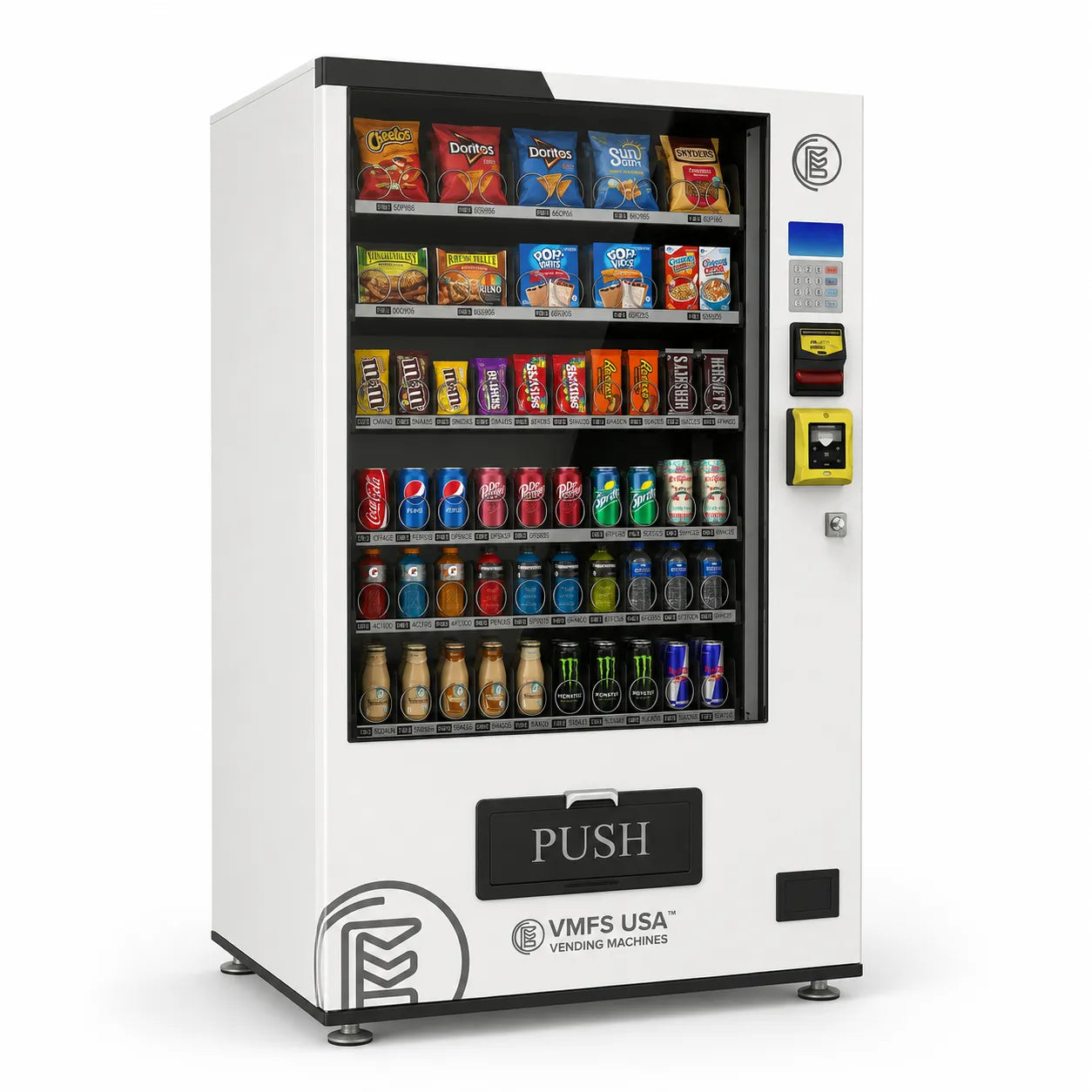
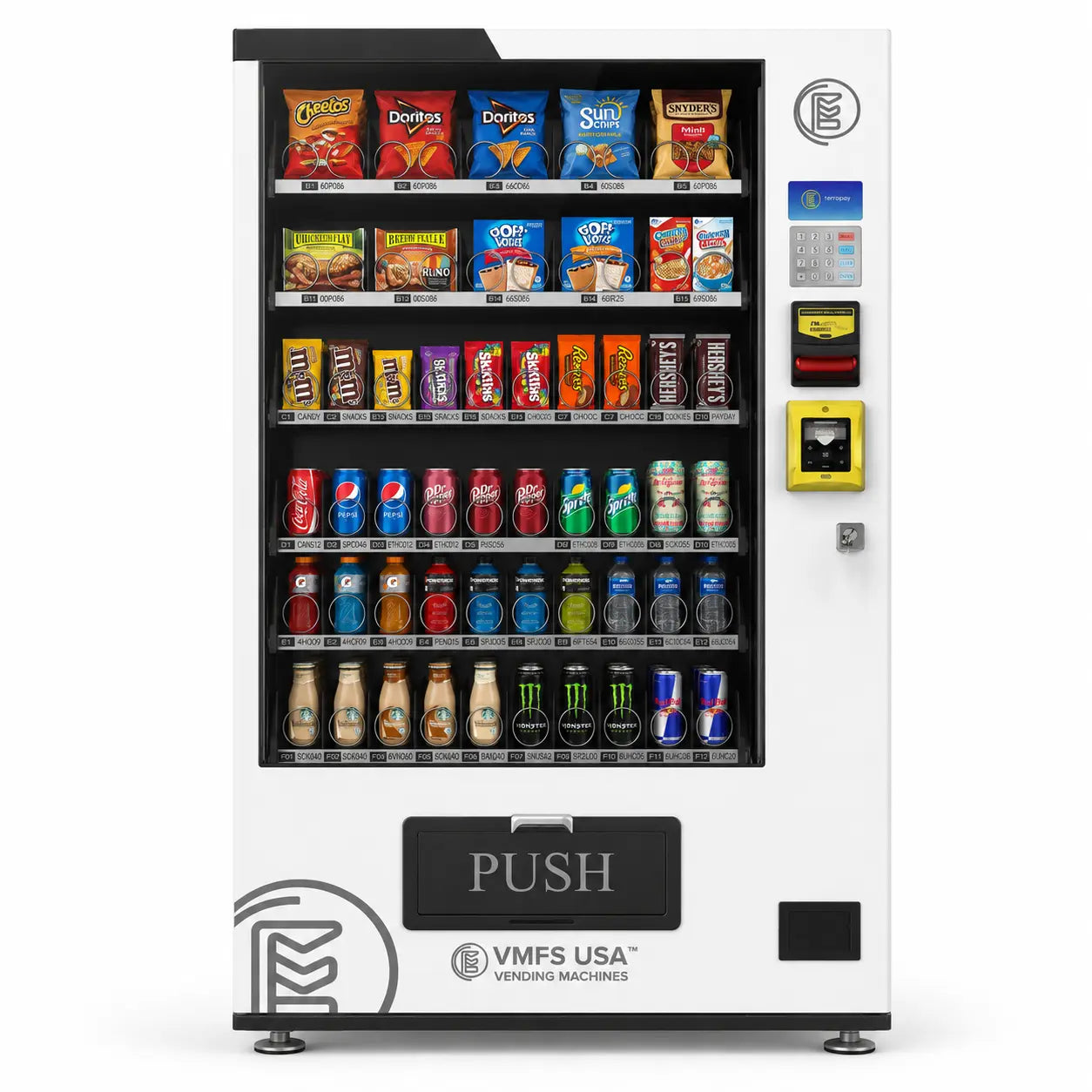
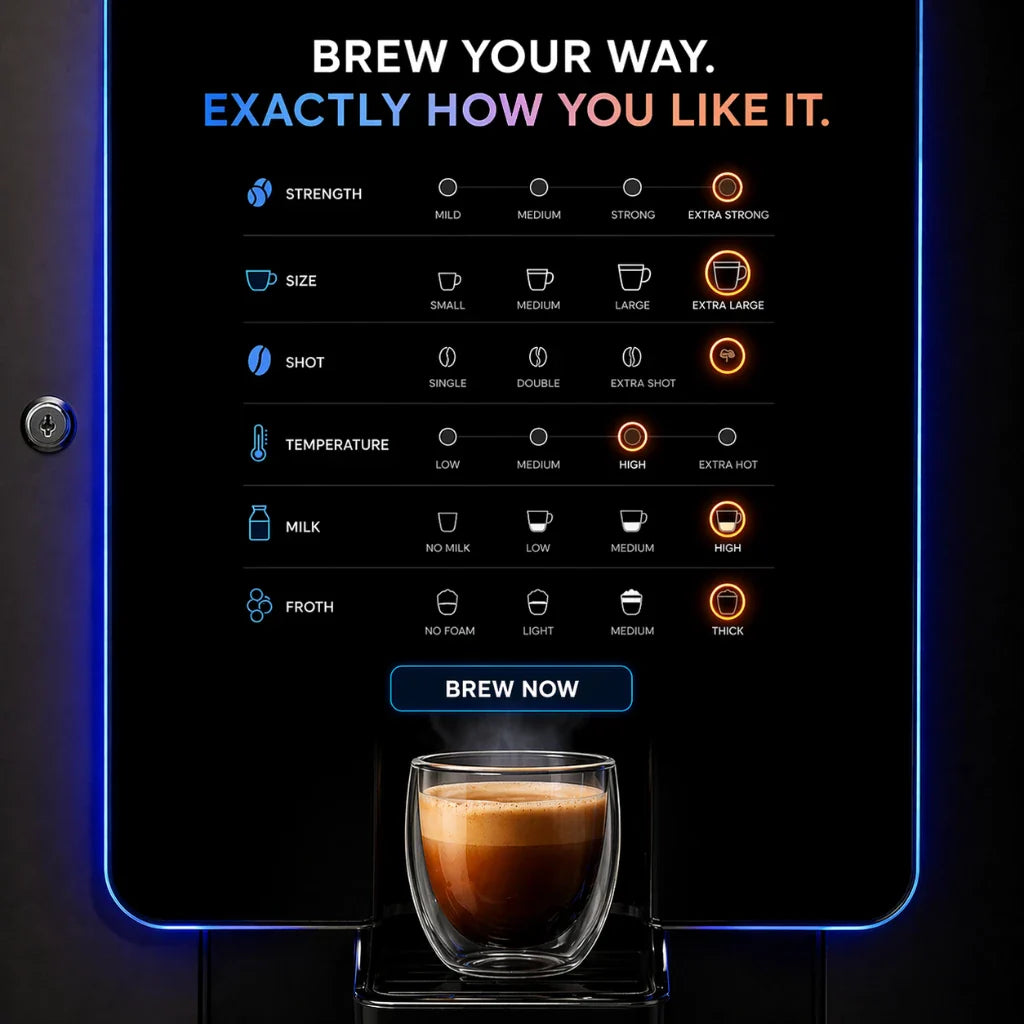
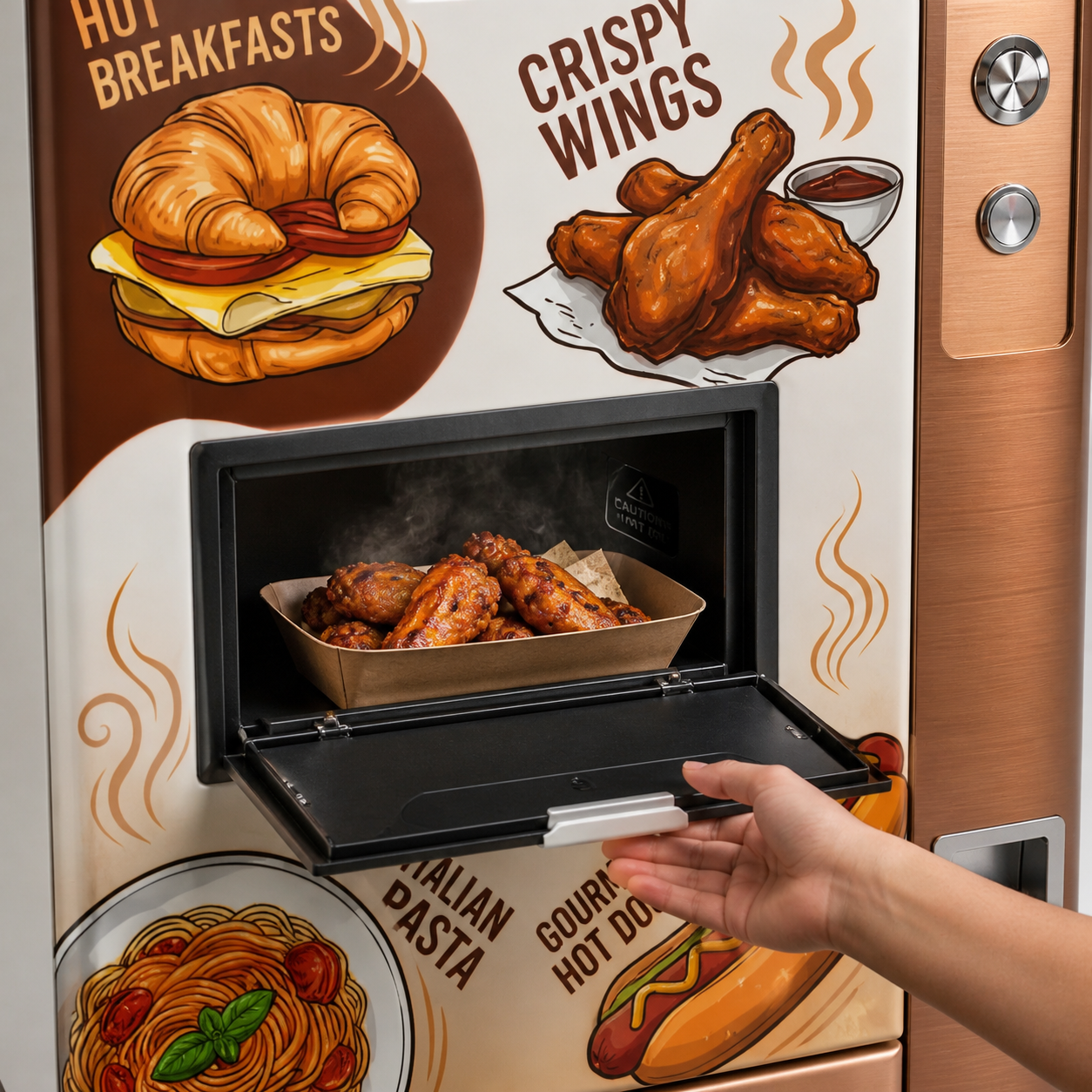
Share:
Which System Is Right For You