Yes, but the real numbers are more modest than most online gurus claim. A well-placed snack and beverage machine realistically generates $300 to $600 in net profit per month, with margins between 25% and 45% after product costs, location commission, and restocking expenses. Machines in high-traffic spots like hospital waiting rooms, factory break rooms, and university dorms can push $800 to $1,200 in monthly revenue, though that is the exception, not the rule. Poorly placed machines in low-traffic lobbies or small office buildings may net as little as $50 to $150 per month.
By Daniel Hoffman, vending route operator and founder of VendRoute Media. Daniel has been running vending operations across the Houston metro area since 2019, currently managing 32 machines placed in urgent care facilities, distribution warehouses, and community college campuses. Over the past five years, he has tested more than 60 product configurations and tracked performance across every location using route management software. His average monthly net profit across all 32 machines sits at $13,400, which breaks down to roughly $418 per machine after commissions, fuel, inventory, and maintenance. He created VendRoute Media to share real operator data and help new vendors stop guessing and start making decisions based on actual numbers.
Yes, but the real numbers are more modest than most online gurus claim. A well-placed snack and beverage machine realistically generates $300 to $600 in net profit per month, with margins between 25% and 45% after product costs, location commission, and restocking expenses. Machines in high-traffic spots like hospital waiting rooms, factory break rooms, and university dorms can push $800 to $1,200 in monthly revenue, though that is the exception, not the rule. Poorly placed machines in low-traffic lobbies or small office buildings may net as little as $50 to $150 per month.
By Daniel Hoffman, vending route operator and founder of VendRoute Media. Daniel has been running vending operations across the Houston metro area since 2019, currently managing 32 machines placed in urgent care facilities, distribution warehouses, and community college campuses. Over the past five years, he has tested more than 60 product configurations and tracked performance across every location using route management software. His average monthly net profit across all 32 machines sits at $13,400, which breaks down to roughly $418 per machine after commissions, fuel, inventory, and maintenance. He created VendRoute Media to share real operator data and help new vendors stop guessing and start making decisions based on actual numbers.
This guide explains the profitability of smart vending machines, compares digital vending machines versus AI vending machines, and shows you the three pillars that determine vending business success: location, product mix, and machine choice.
The Profit Potential of Smart Vending Machines

Market Snapshot and Growth Trends
The U.S. vending machine market continues to grow steadily. According to IBISWorld industry research, the vending machine operators industry in the United States generates over $7 billion in annual revenue and employs more than 18,000 businesses. The market has shown resilience even during economic shifts, with smart and cashless-enabled machines driving the next wave of growth.
The National Automatic Merchandising Association (NAMA) reports that cashless payment adoption in vending has accelerated significantly, with over 60% of new machines now equipped with card readers and mobile payment systems. This shift has directly improved transaction values and overall profitability for operators.
Profit Margins and Monthly Revenue Benchmarks
Is a vending machine business profitable? The answer depends on three factors: traffic, product pricing, and machine type. According to Entrepreneur Magazine and operator surveys compiled by Vending Market Watch, an average vending machine in a good U.S. location generates between $300 and $1,500 per month in gross revenue.
Monthly earnings break down as follows:
-
Low-traffic locations: $300-$700/month (small offices, low-footfall buildings)
-
Moderate-traffic locations: $800-$1,500/month (warehouses, gyms, medical offices)
-
High-traffic locations: $1,500-$3,000+/month (hospitals, universities, airports)
Typical vending machine profit margins for standard machines fall between 15% and 30% net profit after expenses. When machines are placed in high-traffic areas or upgraded to smart or digital systems, margins can increase to 30% to 45%, according to data from Small Business Trends and Vending Times.
In practical terms, a well-managed smart vending machine placed in a strong location can recover its investment in roughly 12 to 18 months. Smart and digital features improve cashless payment rates, reduce downtime through remote monitoring, and limit waste through real-time inventory tracking.
Understanding Smart, Digital, and AI Vending Machines
What Makes a Machine Smart
A smart vending machine is equipped with cloud connectivity, telemetry, and cashless payment systems. According to Vending Market Watch, smart machines reduce operational costs by an average of 20-30% through better restocking efficiency and reduced service calls.
Smart vending machines track stock levels in real time, provide remote error alerts, and let operators adjust pricing or monitor revenue from any location. For small businesses and new investors, they provide a manageable entry point with measurable ROI potential.
Digital Vending Machines and Customer Engagement
Digital vending machines add interactive touchscreens, dynamic menus, and digital advertising capabilities. Research from the Interactive Advertising Bureau shows that digital displays increase impulse purchases by up to 30% compared to static product displays.
These machines are most profitable vending machines in high-traffic areas such as airports, universities, and retail malls, where visibility and engagement drive conversion rates.
AI Vending Machines: The Next Generation
AI vending machines use machine learning, computer vision, and predictive analytics to automate operations. According to a report by Markets and Markets, the AI-powered vending machine market is projected to grow at a compound annual growth rate (CAGR) of over 15% through 2028.
These systems can identify products through image recognition, calculate purchase behavior patterns, and trigger automatic restocking based on historical sales data. While AI systems cost more upfront (typically $10,000-$15,000+), they can yield 20-40% higher returns in premium locations according to operator case studies published by Vending Times.
The Three Profitability Pillars
Every successful answer to "is owning a vending machine profitable" relies on three interconnected factors: location, product mix, and machine choice. These pillars determine how well your machine performs, how quickly you achieve ROI, and how sustainable your profits remain.
Pillar One: Location and Foot Traffic
Location is the foundation of vending machine profitability. According to NAMA research, location quality accounts for up to 70% of a machine's revenue potential. The right placement determines daily transaction volume and whether your machine reaches consistent sales targets.
Even the most advanced smart vending machines will struggle in poor locations with low visibility or limited access. Industry data shows that machines in high-traffic sites generate 5-10 times more revenue than identical machines in low-traffic locations.
Ideal U.S. placements include:
-
Corporate offices: 500+ employees, steady weekday traffic
-
Hospitals and medical facilities: 24/7 operation, captive audience
-
Universities and colleges: High student density, extended hours
-
Manufacturing facilities: Shift workers, limited food alternatives
-
Transit hubs: Airports, train stations, bus terminals
-
Fitness centers: Health-conscious buyers, premium product pricing
For help securing vetted, high-quality placements, professional vending machine placement services can connect you with pre-screened locations and negotiate favorable commission terms.
When using smart vending technology, operators gain the ability to track performance data remotely. Sales analytics help identify underperforming locations, allowing you to relocate machines quickly and protect margins. This agility is one of the greatest advantages of connected vending systems.
Pillar Two: Right Product Mix
The right products can turn a machine from average to highly profitable. According to research from the Beverage Marketing Corporation, product strategy should match both customer demographics and location type. A mix of fast-moving essentials and higher-margin specialty items typically performs best.
Industry benchmarks show optimal product mixes by location type:
-
Office buildings: Healthy snacks (35%), beverages (40%), coffee/tea (15%), misc (10%)
-
Gyms and fitness centers: Protein bars/shakes (40%), sports drinks (30%), healthy snacks (20%), supplements (10%)
-
Hospitals: Grab-and-go meals (30%), beverages (35%), snacks (25%), OTC items (10%)
-
Universities: Energy drinks (25%), snacks (35%), coffee (20%), meals (20%)
Research from Vending Market Watch shows that replacing just one-third of low-margin items with premium or healthy products can boost total sales by 30% to 40%. Smart vending machines simplify this process with live inventory data, allowing operators to track product performance and adjust stock based on actual sales velocity.
| Factor |
Impact on Profit |
Best Practice |
Source |
| Turnover Rate |
High turnover improves cash flow and reduces waste |
Use live data to restock top sellers frequently |
NAMA Industry Report |
| Margin Mix |
Combining low-cost and high-margin items raises profit per sale |
Offer regular snacks plus premium or healthy alternatives |
Vending Times Research |
| Display and Engagement |
Clear digital displays increase impulse purchases by 30% |
Use bright visuals and real-time promotions |
Interactive Advertising Bureau |
Pillar Three: Right Machine and Technology
The final pillar is machine selection. According to cost-benefit analyses published in Automatic Merchandiser Magazine, the type of vending machine you choose affects initial investment, ongoing maintenance costs, and revenue potential. Different machine types serve different markets, and matching the right equipment to your target location is critical for profitability.
Vending Machines by Product Category and Profitability
Beyond smart technology features, machine type must align with product category and target market. According to NAMA research, specialized vending machines often outperform general snack machines when placed in the right environment.
| Machine Type |
Average Cost (USD) |
Monthly Revenue Range |
Profit Margin |
Best Placement |
| Combo Vending Machine |
$3,500 – $6,000 |
$500 – $1,200 |
25-35% |
Offices, schools, apartments, warehouses |
| Coffee Vending Machine |
$3,000 – $7,500 |
$600 – $1,500 |
60-75% |
Offices, hospitals, hotels, car dealerships |
| Vape Vending Machine |
$4,500 – $8,000 |
$800 – $2,500 |
40-60% |
Smoke shops, bars, clubs, adult-only venues |
| Healthy Vending Machine |
$4,000 – $6,500 |
$600 – $1,400 |
30-45% |
Gyms, corporate wellness centers, yoga studios |
| Mini Vending Machine |
$1,200 – $2,500 |
$200 – $600 |
20-30% |
Salons, small offices, residential lobbies, retail counters |
| Ice Cream Vending Machine |
$5,000 – $9,000 |
$400 – $1,200 |
50-70% |
Malls, beaches, amusement parks, tourist areas |
| Pizza Vending Machine |
$18,000 – $35,000 |
$3,000 – $7,000+ |
40-55% |
Hospitals, campuses, transit hubs, 24-hour facilities |
Key Insights on Machine Selection
Operators who match the right machine with the right site and product mix often achieve payback within 12 to 18 months according to Small Business Administration data. Here's what the research shows:
-
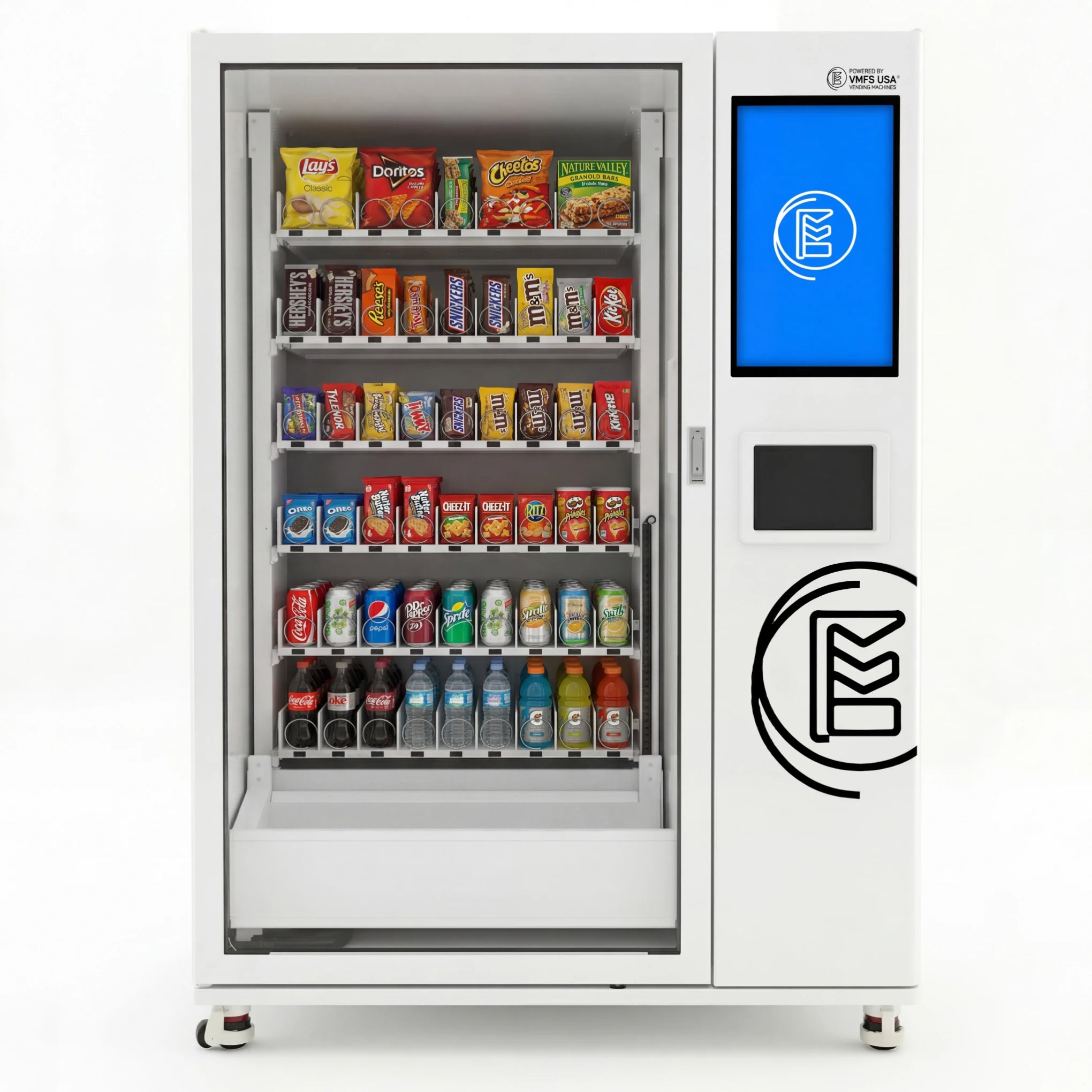
Combo machines offer the best entry point for new operators - lower cost, proven demand, versatile placement options
-
Coffee machines deliver the highest margins (60-75%) due to low ingredient costs and daily repeat purchases
-
Vape machines generate strong revenue in licensed adult venues but require strict age verification and compliance
-
Healthy vending performs best in fitness and corporate wellness environments where demographics align with product offerings
-
Mini machines minimize upfront investment and work well for testing new locations before committing to full-size equipment
-
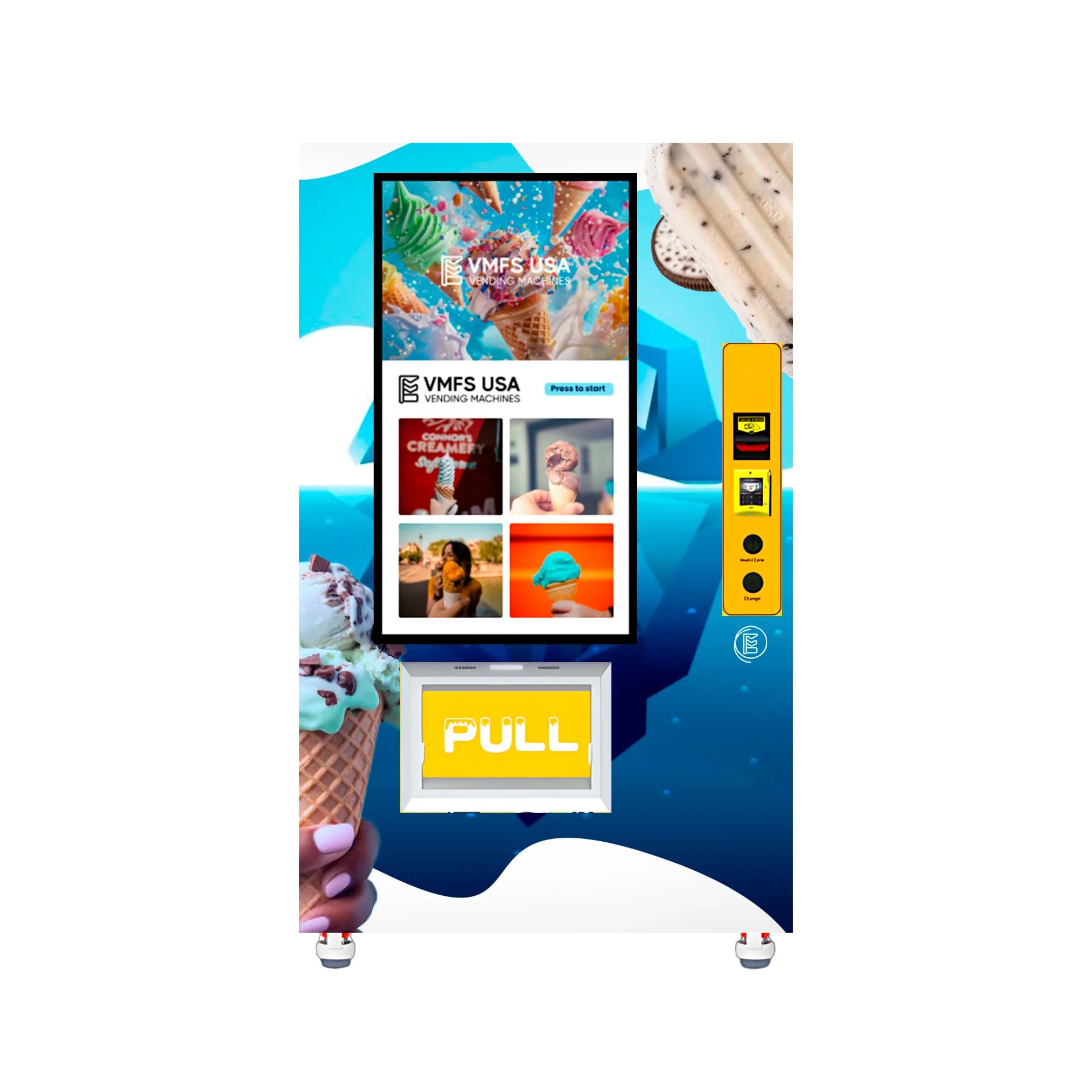
Specialty machines (pizza, ice cream) require higher investment but can deliver 2-5x the revenue of standard snack machines in optimal placements
Investing in new vending machines instead of used models is generally recommended, as they offer updated payment systems, manufacturer warranties, and lower failure rates. According to Vending Times research, new machines have 40% less downtime and 30% lower maintenance costs over the first three years compared to refurbished equipment.
Calculating Vending Machine Profit and Managing Costs
Is a vending machine business profitable after expenses? Profitability is not just about sales; it requires careful expense management. According to financial analyses from Entrepreneur Magazine, each vending setup has a mix of fixed and variable costs that must be factored into ROI calculations.
Common Operating Expenses
-
Machine purchase or lease: $150-$400/month (financed)
-
Product inventory: 40-60% of gross sales (COGS)
-
Location commission: 10-25% of gross sales
-
Payment processing fees: 2-4% of card transactions
-
Restocking labor: $50-$150/month per machine
-
Maintenance and repairs: $20-$75/month average
-
Insurance: $30-$60/month
-
Connectivity/software: $15-$40/month for smart features
Real-World Profit Examples
| Metric |
Smart Vending Machine |
AI Vending Machine |
| Initial Investment |
$5,000 |
$12,000 |
| Average Monthly Revenue |
$1,200 |
$2,800 |
| Cost of Goods (50%) |
$600 |
$1,400 |
| Location Commission (15%) |
$180 |
$420 |
| Operating Expenses |
$220 |
$280 |
| Net Monthly Profit |
$200 |
$700 |
| ROI Timeline |
25 months |
17 months |
Source: Calculations based on industry averages from NAMA, Vending Times, and operator surveys
How to Maximize Vending Machine Profit
- Monitor sales data weekly using telemetry dashboards
- Replace underperforming SKUs within 30 days
- Negotiate commission caps (15-20%) with location partners
- Use digital screens to generate supplemental advertising income
- Cluster machines geographically to reduce fuel and labor costs
- Implement dynamic pricing during peak hours (where permitted)
- Partner with local suppliers for better product margins
Risks and Challenges in Vending Machine Operations
Even with strong demand, the vending industry comes with operational risks. According to research from the Small Business Administration, understanding and preparing for common challenges helps protect profit margins.
-
Machine downtime: Average 3-5% of revenue loss (NAMA data)
-
Stock spoilage: 2-8% waste from poor rotation
-
Theft and vandalism: Higher in unsecured public locations
-
Market saturation: Competition in oversaturated sites
-
Technology costs: Software fees and updates averaging $20-$40/month
-
Contract disputes: Location agreement issues affecting placement
Smart vending machines help mitigate many of these risks through real-time tracking, maintenance alerts, and remote diagnostics. Operators who review performance data weekly tend to identify and resolve issues 40% faster, according to Vending Market Watch research.
Case Study: Corporate Campus Vending Success
Consider a real-world example of how the three pillars work together:
-
Location: Corporate technology campus, 1,500 employees, heavy daily traffic
-
Machine: Smart combo vending machine with touchless payment and remote monitoring
-
Product Mix: 40% healthy snacks, 35% beverages, 15% premium coffee, 10% misc
-
Commission: 15% revenue share with property owner
Results after 12 months:
- Average gross sales: $1,850/month
- Cost of goods: $925 (50%)
- Location commission: $278 (15%)
- Operating expenses: $247
- Net monthly profit: $400
- Annual net profit: $4,800
- Machine cost: $5,200
- ROI achieved: 13 months
This case illustrates how alignment between location quality, product selection, and machine choice leads to profitable vending machine operations.
Future of Smart and AI Vending Technology
The future of vending lies in automation, personalization, and data integration. According to Grand View Research, the global smart vending machine market size is expected to reach $15.8 billion by 2027, with North America representing the largest regional market.
Key trends shaping vending profitability:
-
Cashless dominance: 80%+ of transactions projected to be cashless by 2027 (NAMA forecast)
-
AI-powered personalization: Dynamic product recommendations based on purchase history
-
Sustainability focus: Eco-friendly packaging and energy-efficient refrigeration
-
Health and wellness: Continued growth in better-for-you product categories
-
Micro-markets integration: Hybrid vending/market solutions for larger locations
-
Contactless everything: Mobile app ordering, QR code payments, voice activation
AI vending machines are expanding into new product categories including cosmetics, electronics, pharmaceuticals, and fresh prepared foods, according to Markets and Markets research.
Final Answer: Are Vending Machines Profitable?
Yes, vending machines are profitable when operated with the right strategy. Profitability depends on consistent foot traffic, efficient product selection, and proper machine management. When all three pillars align, operators can achieve:
-
Net profit margins: 20-35% in well-managed operations
-
Monthly net income: $200-$800 per machine (moderate traffic), $800-$1,500+ (high traffic)
-
ROI timeline: 12-24 months for most placements
-
Scalability: Multi-machine routes generating $3,000-$10,000+ monthly profit
According to industry veterans surveyed by Vending Times, successful operators focus on:
-
Location quality over quantity: 10 great locations outperform 30 mediocre ones
-
Product optimization: Regular SKU rotation based on sales data
-
Technology investment: Smart and AI vending machines reduce costs and increase revenue
-
Professional placement: Using services like vPlaced to secure vetted locations
Sources and References
This analysis is based on data from the following industry sources:
- National Automatic Merchandising Association (NAMA) Industry Reports
- IBISWorld - Vending Machine Operators Industry Research
- Vending Times Magazine - Operator Surveys and Market Analysis
- Vending Market Watch - Technology and Profit Trend Reports
- Entrepreneur Magazine - Small Business ROI Studies
- Small Business Administration (SBA) - Business Planning Resources
- Markets and Markets - AI Vending Machine Market Forecast
- Grand View Research - Smart Vending Market Size Analysis
- Interactive Advertising Bureau - Digital Display Impact Studies
- Beverage Marketing Corporation - Product Mix Research
FAQ
How profitable are vending machines?
Vending machines generate 20-35% net profit margins when well-managed. Monthly net income typically ranges from $200-$800 per machine in moderate-traffic locations and $800-$1,500+ in high-traffic placements, according to NAMA industry data.
What is the average cost to start a vending machine business?
Smart vending machines cost $4,000-$6,500, digital models $6,000-$9,000, and AI machines $10,000-$15,000+. Total startup costs including initial inventory, insurance, and placement fees typically range from $5,000-$8,000 per machine.
Which vending machine products are most profitable?
Healthy snacks, premium beverages, and specialty coffee typically deliver the highest margins (35-50%). Product selection should match location demographics - protein bars and sports drinks for gyms, grab-and-go meals for offices and hospitals.
How long until I see ROI on a vending machine?
Most operators recover their investment within 12-24 months with proper location selection and product management. High-traffic placements can achieve ROI in as little as 8-12 months, according to Small Business Administration data.
Are smart vending machines more profitable than traditional machines?
Yes. Smart vending machines increase profit margins by 20-30% through reduced operational costs, lower downtime, cashless payment adoption, and real-time inventory optimization, according to Vending Market Watch research.
Is owning a vending machine business profitable?
Yes, when operated correctly. Multi-machine routes generating $3,000-$10,000+ monthly profit are common among experienced operators who focus on location quality, product optimization, and technology investment.


Share:
How to Start a High-Margin Vape Vending Machine Business in 2026 (Step-by-Step Guide)
AI Vending Machine ROI: Real Payback Data by Venue Type