


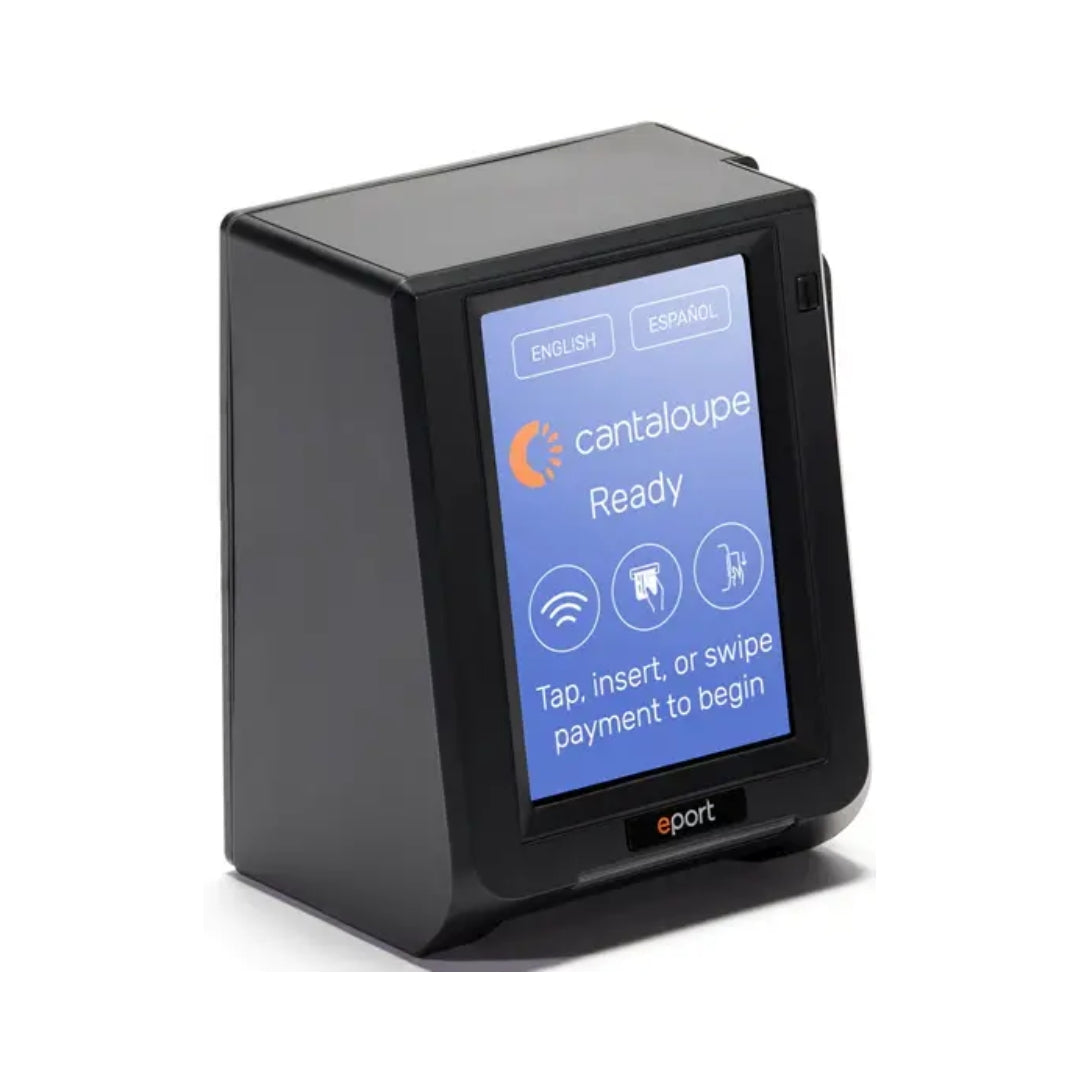


Design the perfect vending solution for your location and customers.

Join the VMFS newsletter and step into a thriving network dedicated to collective success.
One signup. Endless possibilities.
The vending industry is moving fast toward digital payments, and the Cantaloupe vending card reader sits at the center of that shift. Consumers want quick, tap-and-go checkouts, so operators are upgrading to cashless vending machines that accept cards and mobile wallets without friction.
Customers now expect to pay with a phone or card, not coins. That is why operators are installing vending machines with card readers in busy locations such as offices, schools, gyms, and hospitals. These upgrades cut cash handling, speed up lines, and capture more impulse buys. Paired with cloud software, operators also gain live visibility into sales and machine health.
Smart vending machines and modern vending machines with an MDB bus make cashless easy to deploy. Cantaloupe is a recognized leader in this space, uniting secure payments with telemetry and data tools in a single platform. For many routes, replacing aging hardware with new vending machines or retrofitting existing units delivers a fast, measurable lift in revenue and service efficiency.

The Cantaloupe vending card reader is a compact, durable device that allows vending machines to accept all major payment types, including credit, debit, and mobile wallets. Designed for cashless vending machines, it transforms any traditional unit into a fully equipped smart vending machine that supports secure, contactless payments.
At its core, the reader connects directly through the machine’s MDB interface, also known as the Multi-Drop Bus. This standardized wiring system enables plug-and-play installation for most new vending machines and compatible retrofit kits. Once connected, the reader communicates with the machine’s control board to process payments and manage transaction data.
Beyond basic payment functionality, the Cantaloupe vending card reader includes telemetry technology that links to Cantaloupe’s cloud software. Every transaction, status update, and alert is transmitted in real time to the operator’s online dashboard. This data flow allows route owners to monitor performance, track cashless sales, and optimize restocking schedules remotely.
The device supports a full range of payment methods:
Each payment is encrypted and processed through a PCI-compliant gateway, ensuring data protection and transaction security. The reader’s hardware is built for unattended environments, maintaining reliability even in high-traffic locations like offices, universities, and transportation hubs.
By combining an MDB connection, 4G telemetry, and cloud connectivity, the Cantaloupe vending card reader gives operators complete control over sales data and machine activity from any web-enabled device. It’s a crucial component in the evolution of modern vending systems and unattended retail payments.

The Cantaloupe vending card reader delivers far more than just payment acceptance. It integrates payments, data, and remote management through Cantaloupe’s cloud software, giving operators the insight and control they need to run efficient, profitable routes. Whether installed on new vending machines or added as a retrofit, it provides measurable benefits that go beyond convenience.
Cashless payments make buying faster and easier, which encourages more frequent purchases. Operators report an average 30–40% increase in sales after adding card readers to their fleets. With the Cantaloupe vending card reader, every machine becomes a 24/7 self-service terminal that accepts cards, contactless, and mobile payments without limitation.
Through Cantaloupe’s Seed vending cloud software, operators can view live updates from every connected machine. Sales data, inventory levels, and service alerts are automatically synced through device telemetry. This eliminates manual collection and allows quick adjustments to restocking schedules or pricing strategies.
Machines equipped with smart vending telemetry send instant notifications about jams, low stock, or temperature issues. These alerts minimize downtime and allow operators to fix problems before they affect sales. By reducing the need for on-site checks, operators cut fuel and labor costs while keeping routes running smoothly.
The Cantaloupe vending card reader is fully EMV-certified and PCI-compliant, meeting international standards for cashless transactions. Encryption protects sensitive payment information, and secure gateways ensure reliable processing across all vending locations. These safeguards are critical in today’s cashless vending environments.
Because the reader connects through the MDB interface, installation is quick and compatible with most major machine brands. It supports both new vending machines and retrofitted legacy units, making it ideal for operators upgrading existing fleets. Integration with vending machines with card readers enables a smooth transition to digital vending without major hardware replacements.
These combined features make the Cantaloupe vending card reader one of the most trusted solutions in the cashless vending and modern vending systems market, helping operators improve uptime, security, and overall profitability.

Operators considering a cashless upgrade often compare the Cantaloupe vending card reader with other leading options like Nayax VPOS Touch and Parlevel Pay Plus (formerly USAT ePort). Each brand provides a path to card and mobile payments, but their ecosystems, connectivity, and software integration differ in key ways. Understanding these differences helps operators choose the system that best fits their route size, budget, and management needs.
| Feature | Cantaloupe (Engage / Seed) | Nayax VPOS Touch | Parlevel Pay Plus / USAT ePort |
|---|---|---|---|
| Connectivity | 4G LTE + MDB Bus | 4G LTE + DEX | 4G + Wi-Fi |
| Software | Seed Vending Cloud software (data + route optimization) | Nayax Core Dashboard | Parlevel VMS |
| Hardware | Touch display or simple tap unit | Color touchscreen | Basic display |
| Subscription | Monthly data + transaction fees | Monthly + gateway fees | Similar pricing model |
| Key Edge | Deep integration with Seed ecosystem | Broad hardware compatibility | Simplicity and smaller scale |
Where Cantaloupe stands apart is in its ecosystem approach. The Cantaloupe vending card reader is not just a payment device—it connects directly to the company’s Seed platform, linking sales, inventory, and service data in real time. This tight integration gives operators a single interface for tracking performance and optimizing routes through the cloud software.
Nayax systems are known for compatibility across a wide range of hardware and markets, making them popular among operators managing diverse fleets. Parlevel, on the other hand, focuses on simplicity and smaller route operations, offering easy setup with a basic management suite. Both are capable cashless vending technology options, but Cantaloupe’s strength lies in end-to-end integration and advanced analytics for growth-oriented operators.
For businesses looking to scale and centralize management, the Cantaloupe vending card reader offers a distinct advantage. It combines reliable payment processing with telemetry and vending management software, creating a connected ecosystem built for today’s data-driven modern vending systems.
Installing the Cantaloupe vending card reader is a simple, structured process that works for both new vending machines and retrofitted units equipped with the MDB interface. With the right preparation, most operators can complete the setup in under an hour. The result is a fully functional cashless vending machine connected to the cloud software for live reporting and remote monitoring.
Before installation, confirm that your vending unit includes an MDB port, as this is the data and power connection for the reader. Most modern vending machines built in the past decade already include one by default. Also check for the following:
Attach the reader to the payment panel using the included bracket or mounting plate. For older equipment, a retrofit kit ensures proper alignment and fit. Secure the unit firmly to prevent movement during use.
When powered on, the Cantaloupe vending card reader automatically begins pairing with the Seed platform. Log in to your account, locate the device by serial number, and link it to the corresponding machine and location. The reader will start transmitting transaction and status data to the cloud dashboard in real time.
Before going live, perform a test vend to ensure proper communication between the reader and the machine controller. Check that payment authorization works and that sales data appears correctly in the system. This test confirms that telemetry, power, and vending logic are functioning together.
Once installation is complete, the device becomes part of the operator’s smart vending network. Operators upgrading multiple routes often choose new vending machines with MDB for simpler expansion and consistent hardware setups. For those modernizing older fleets, vending financing options can help spread costs while achieving faster cashless adoption.
For most operators, investing in a Cantaloupe vending card reader pays for itself quickly. The average cost per unit ranges between $250 and $400, depending on model and configuration. In addition to the hardware, there are modest monthly fees for data and transaction processing. These operational costs are small compared to the growth in sales and efficiency that come with adopting cashless vending machines.
Once installed, the system connects directly to Cantaloupe’s cloud software for real-time transaction reporting and machine monitoring, giving operators a continuous overview of performance without extra manual work.
To make upgrades easier, many distributors and service partners now offer vending financing plans. These allow route owners to spread their payments across predictable monthly terms instead of paying the full cost upfront. Financing also makes it practical to upgrade an entire fleet of machines at once, ensuring consistent technology and faster scaling.
Some operators even bundle the cost of installation, data fees, and card reader hardware into a single monthly payment. This lets new vending machines and existing units begin earning cashless revenue immediately without significant initial expenses.
The ROI for installing Cantaloupe vending card readers is often realized within the first 6–12 months. Operators consistently report a 30–40% increase in sales after switching to cashless payments. The key factors behind that growth include:
Financial benefits extend beyond increased sales. Integration with cloud software reduces labor and logistics costs by providing live updates on stock levels, sales trends, and maintenance alerts. Fewer service trips, optimized restocking routes, and automatic error notifications directly cut operational overhead.
In practice, these efficiencies mean that each smart vending machine becomes more productive with less human effort. Over time, route owners see improved cash flow, better forecasting accuracy, and fewer breakdown-related losses.
Whether adding readers to existing units or investing in new vending machines, the shift toward cashless vending has become an essential upgrade for sustainable growth. With flexible vending machine financing, easy installation, and measurable ROI, the Cantaloupe vending card reader remains one of the smartest investments for operators aiming to modernize their routes and boost profitability.
Like any connected technology, the Cantaloupe vending card reader has a few limitations that operators should understand before rolling it out fleet-wide. These are mostly technical or administrative issues that can be managed easily with proper setup and planning.
Each reader is permanently paired to its registered Cantaloupe account. Devices purchased second-hand often fail to activate because they remain locked to the previous owner’s profile. For this reason, operators should always buy new equipment directly from Cantaloupe or authorized distributors. Doing so ensures full access to cloud software features, warranty coverage, and support services.
The reader uses a 4G LTE module to transmit transaction data to the cloud software. In areas with weak cellular reception, uploads can lag or fail temporarily. This is not unique to Cantaloupe; it affects all telemetry-based cashless vending machines. The best practice is to test signal strength before installing a unit and, if needed, use an external antenna or booster for reliable coverage.
Some operators have mentioned longer-than-expected response times when opening support tickets, especially during high-volume service periods. However, most issues—such as setup errors, MDB wiring, or activation delays—can be resolved by following the official installation guide or resetting the reader’s pairing connection.
Routine maintenance helps maintain long-term performance. Operators should regularly check software updates through Cantaloupe’s cloud dashboard and verify transactions are syncing correctly. Testing each machine after installation ensures telemetry and payment systems communicate properly.
Overall, real-world feedback from operators is largely positive. Once configured, the Cantaloupe vending card reader performs consistently, offers strong security, and delivers valuable data through modern vending systems. The few technical challenges are minor compared to the long-term benefits of reliable smart vending machines and seamless cashless vending operations.
The vending industry continues to move toward a fully connected, data-driven model. Operators are shifting from manual management to automated, cloud-connected systems powered by devices like the Cantaloupe vending card reader. This transition is part of a larger trend toward cashless vending machines that combine payment flexibility, real-time analytics, and remote oversight through advanced cloud software.
Modern operators now rely on smart vending machines that share live data with central dashboards. This constant communication allows them to see sales numbers, stock levels, and technical alerts without ever visiting the machine in person. With built-in telemetry and AI-driven analytics, route planning becomes more precise, reducing travel time and cutting costs while maintaining stock availability across every vending location.
Artificial intelligence is beginning to influence how vending routes are managed. Predictive algorithms will soon suggest restocking schedules, identify top-selling products, and alert operators about declining machine performance before it causes downtime. Combined with cloud software, this level of insight turns traditional vending into a smart retail network where each machine operates like a mini store.
The next wave of technology will merge the Internet of Things (IoT) with vending infrastructure. Devices like the Cantaloupe vending card reader will act as central hubs, linking payment systems, telemetry sensors, and environmental controls into one ecosystem. Future brand new vending machines will likely come pre-installed with these smart systems, allowing plug-and-play setup and instant activation through the cloud platform.
These advances will also make it easier for smaller operators to compete. Affordable hardware, route-level analytics, and flexible vending financing programs mean that even small businesses can enter the industry with connected, cashless setups from day one. Over time, this technology will push the market toward a model where every machine communicates in real time, supporting faster service, lower costs, and better customer satisfaction.
As modern vending systems evolve, the Cantaloupe vending card reader and similar technologies will remain key drivers of innovation. The future belongs to connected operators who embrace data, automation, and the efficiencies of fully cashless vending.
Share:
How Many Vending Machines Are Needed To Make $100K A Year
How Many Vending Machines Are Needed To Make $100K A Year