


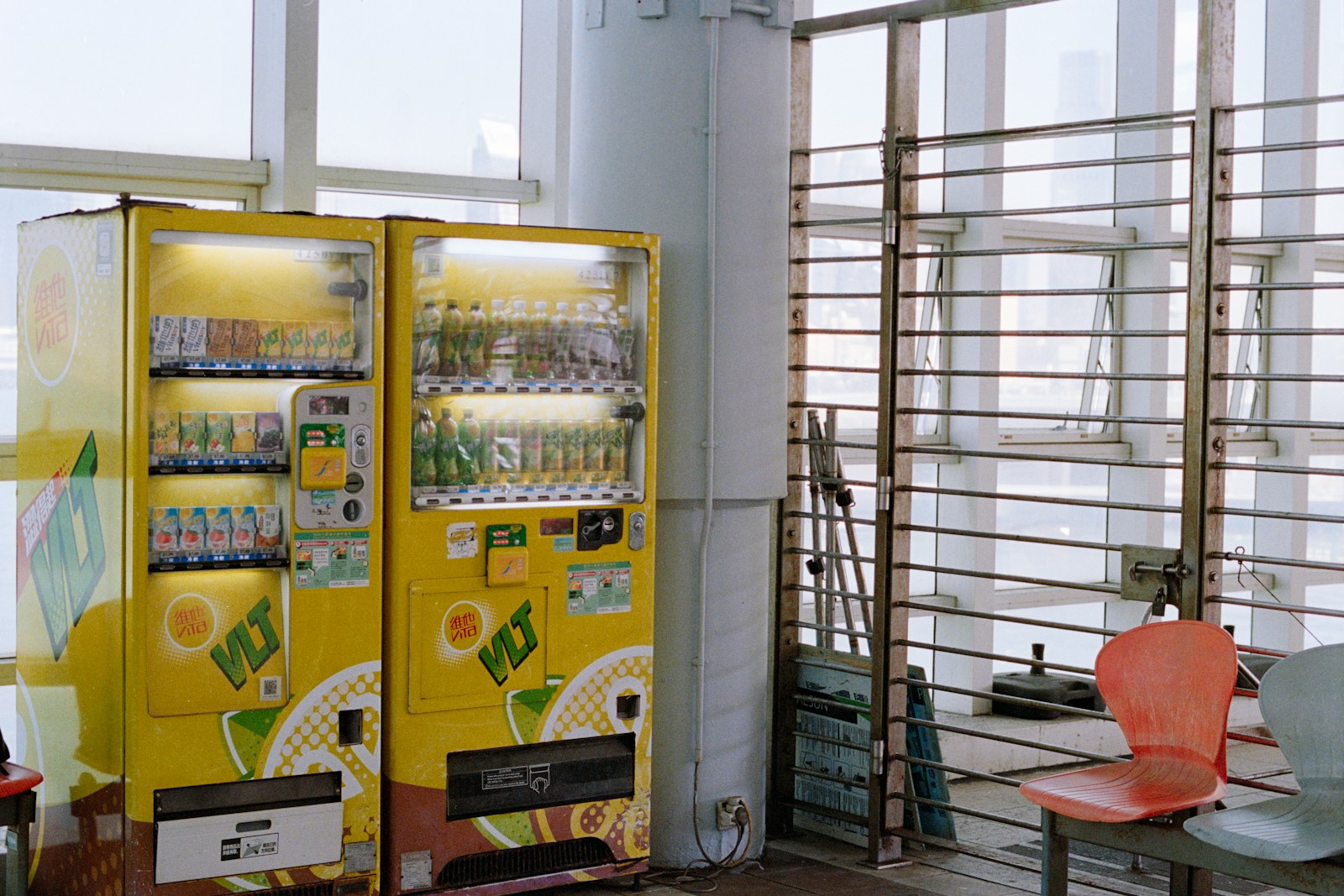


Design the perfect vending solution for your location and customers.

Join the VMFS newsletter and step into a thriving network dedicated to collective success.
One signup. Endless possibilities.
Operating vending machines in California requires compliance with a layered system of state registration, local approvals, and health regulations. California does not issue a single statewide vending machine license. Instead, operators must register their business, obtain the appropriate tax accounts, and comply with city, county, and health department rules based on where machines operate and what products they sell. At the state level, vending operators must register with the California Department of Tax and Fee Administration to collect and remit sales tax on vending sales. Local governments also play a major role. Cities and counties may require business licenses, zoning approval, or location-specific permits. Health permits apply only in certain cases, primarily when machines sell regulated food. Most vending machines that sell packaged snacks and bottled beverages face fewer regulatory hurdles. However, machines that sell fresh, frozen, or hot food often require permits and inspections. California also enforces stricter rules in dense metro areas, which makes location-specific compliance especially important. This guide explains how to get licensed and permitted to operate vending machines in California. It covers state tax requirements, local rules, health permits, costs, timelines, and machine selection. Understanding these rules upfront helps operators avoid fines, delays, and forced machine removal.
California does not issue one universal vending machine license that applies statewide. Instead, vending compliance involves multiple layers of approval. Many operators use the term “license” or “permit” to describe the combined requirements. Whether additional permits are required depends on two main factors:
Vending machines that sell packaged, shelf-stable snacks and sealed bottled beverages usually do not require health department permits. In these cases, operators typically need state tax registration and any required local business license. Machines that sell food requiring refrigeration, freezing, heating, or preparation face additional oversight. These machines often require approval from the local environmental health department. Inspections may apply before or after installation. Local governments also control vending activity in California. Some cities require general business licenses. Others enforce zoning approval or vending permits, especially for machines placed in public-facing or high-traffic areas. Requirements can vary significantly between cities such as Los Angeles, San Diego, San Jose, or smaller municipalities. The key takeaway is simple. Every vending operator in California must meet state tax requirements. Some operators also need local licenses. Only certain machines require health permits. Confirming requirements early prevents compliance issues.
All vending machine businesses operating in California must register at the state level before placing machines. California regulates vending primarily through tax registration rather than a traditional vending license. Most operators must register with the California Department of Tax and Fee Administration (CDTFA) to collect and remit sales tax on vending sales. This registration applies regardless of how many machines you operate or where they are located. California considers most vending sales taxable, although tax treatment may vary based on product type. Operators must track sales accurately and remit the correct amount based on state and local tax rates. State registration applies to the business, not individual machines. However, state compliance does not replace local requirements. Cities and counties may still require business licenses, zoning approval, or vending permits. It is also important to understand what state registration does not cover. Registering with the CDTFA does not authorize food vending, does not replace health permits, and does not override local placement rules. Operators should complete state registration before negotiating placements. Many property owners request proof of tax compliance before approving vending machines.
After completing state tax registration, vending machine operators in California must comply with city and county rules where each machine operates. California gives broad regulatory authority to local governments, which means vending requirements can vary significantly between jurisdictions. Compliance in one city does not guarantee compliance in another. Many California cities require a general business license for any business operating within city limits. This requirement often applies even when vending machines are placed indoors on private property, such as offices, warehouses, hospitals, or apartment buildings. Business licenses are usually issued annually and must be renewed to remain valid. Some cities also enforce zoning or land-use rules that affect vending machines. These rules may limit machine placement in certain districts or require approval for machines in public-facing areas. Machines placed in public spaces, transit hubs, or government-owned buildings often face stricter review. Counties may also impose requirements, particularly in unincorporated areas. In these locations, operators often deal directly with county offices rather than city departments. Because California has hundreds of municipalities, operators should verify rules for each placement rather than relying on general assumptions. Local enforcement in California is active. Cities conduct audits, respond to complaints, and coordinate with property managers. Machines operating without required local licenses may be cited or ordered removed. Operators who confirm local requirements early protect both revenue and long-term placements.
California regulates food and beverage vending more closely than many states. Oversight increases when vending machines sell food or drinks that require refrigeration, freezing, heating, or preparation. These rules are enforced primarily by county environmental health departments under the California Retail Food Code. Machines that sell packaged, shelf-stable snacks and sealed bottled beverages usually do not require health permits. These products do not involve food preparation or temperature control and are considered low risk. For many operators, packaged vending offers the simplest compliance path. Health permits are typically required when vending machines sell regulated food. This includes fresh meals, refrigerated items, frozen products, hot food, and prepared beverages. Machines that brew or dispense drinks, such as coffee or specialty beverages, often require permits because water supply, sanitation, and temperature control are involved. County environmental health departments review food vending machines for compliance with sanitation standards, temperature control, cleaning procedures, and product sourcing. Inspections may occur before approval, after installation, or periodically during operation. Permit costs and timelines vary by county. California’s enforcement approach is consistent across counties but implemented locally. Operators should contact the environmental health department for the county where the machine will operate before purchasing regulated food equipment. Food vending can generate higher revenue in California’s dense markets, but only when operators plan for permits, inspections, and ongoing compliance. Packaged vending remains the fastest route to approval and expansion.
Obtaining approval to operate vending machines in California works best when completed in a specific order. State, local, and health requirements depend on one another, and applying out of sequence often causes delays.
First, establish your business entity and obtain a federal Employer Identification Number. Most vending operators choose an LLC structure to separate personal and business liability. Business formation is handled through the California Secretary of State. Official resource: California Secretary of State – Business Programs
Next, register with the California Department of Tax and Fee Administration (CDTFA) to collect and remit sales tax. California requires most vending operators to hold a seller’s permit. Registration is completed online and applies statewide. Official resource: California Department of Tax and Fee Administration
After state registration, apply for required business licenses in each city or county where machines will operate. Some cities require separate licenses for each location. Others issue one license that covers all activity within city limits.
If vending machines sell regulated food or beverages, apply for permits through the county environmental health department. Submit machine details, food lists, and sanitation procedures as requested. Inspections may be scheduled as part of approval.
Once approvals are in place, install machines and begin operation. Keep copies of permits and licenses available for inspection. Track renewal deadlines carefully, as most California licenses and permits require annual renewal. Following this sequence helps vending operators move from planning to operation with fewer setbacks and stronger compliance across California.
The cost of operating vending machines in California depends on product type, machine placement, and local jurisdiction. California does not charge a single statewide vending permit fee. Instead, operators budget for state tax registration, city or county business licenses, and health permits when applicable. At the state level, most vending operators must hold a seller’s permit issued by the California Department of Tax and Fee Administration. There is no fee to obtain the permit, but operators must file sales tax returns on the required schedule. California sales tax rates vary by location, which means operators must track where machines operate and apply the correct local rate. Local business license costs vary widely. Some cities charge modest annual fees, while larger metro areas may charge higher amounts based on gross receipts or business category. In certain jurisdictions, operators may need a separate license for each location. Health permit costs apply only when machines sell regulated food. County environmental health departments set these fees, which often include a permit charge and inspection costs. Machines selling only packaged snacks and bottled beverages usually avoid these expenses entirely. For a nationwide comparison of vending-related fees and compliance costs, operators can reference this vending machine license requirements by state.
| Requirement | Issued By | Estimated Cost |
|---|---|---|
| Seller’s Permit | California CDTFA | No fee |
| City Business License | City Government | $25 – $300+ |
| County Health Permit (If Required) | County Environmental Health | $100 – $500+ |
Operators selling packaged products typically face lower annual compliance costs. Expenses increase when machines sell prepared food or operate in cities with higher licensing fees.
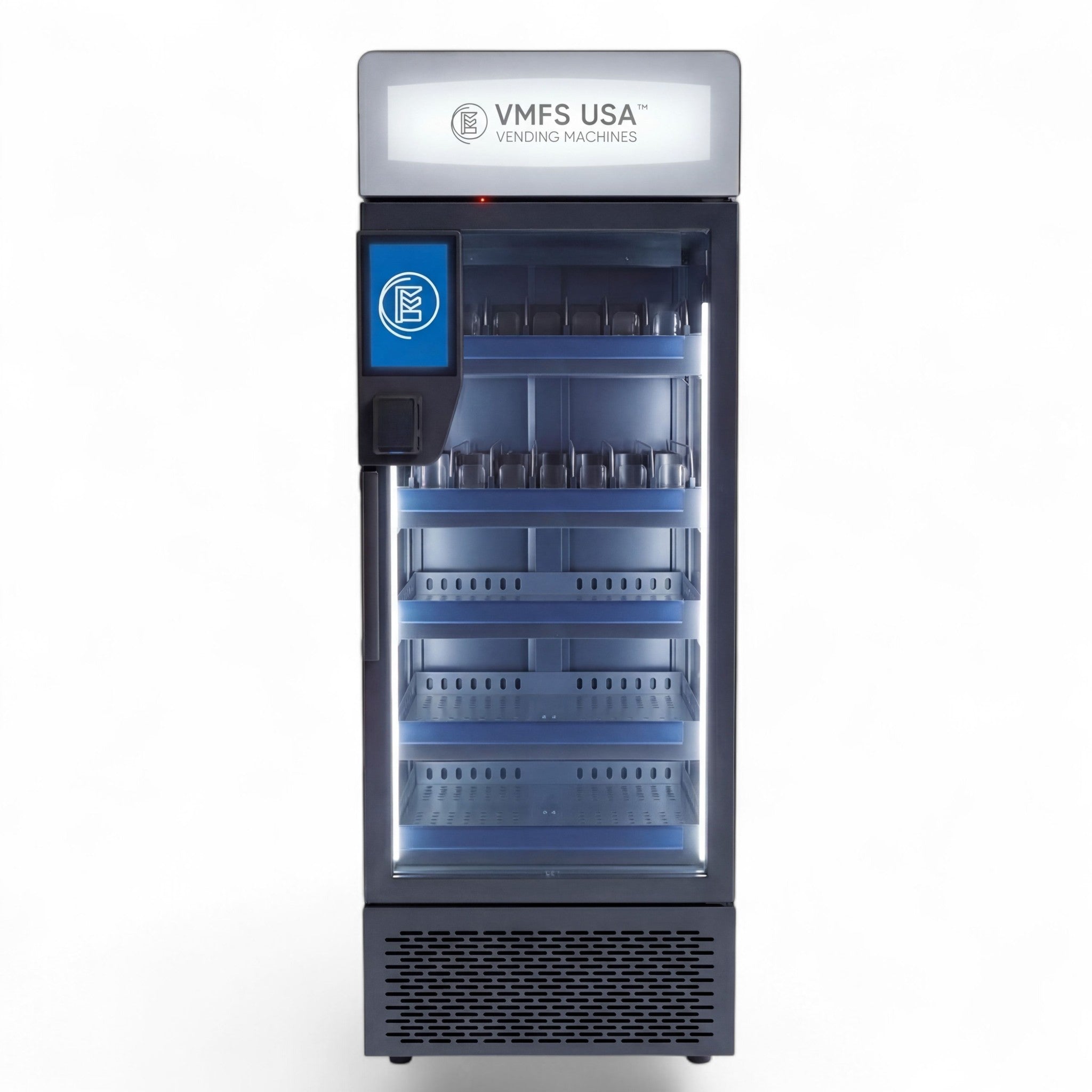
Machine selection directly affects approval speed and long-term compliance in California. Machines that sell packaged products usually face fewer regulatory steps, while machines that prepare or temperature-control food require permits and inspections.
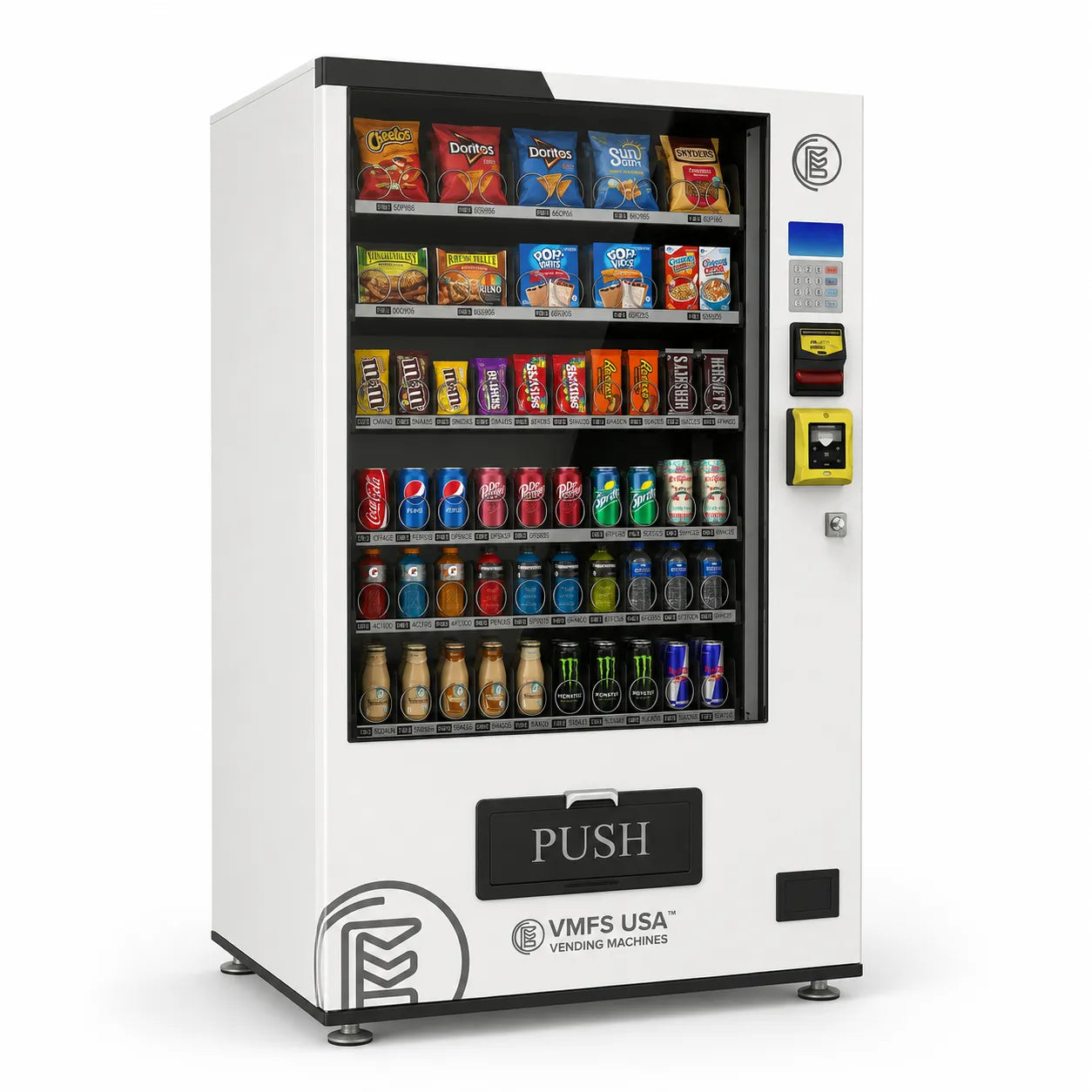
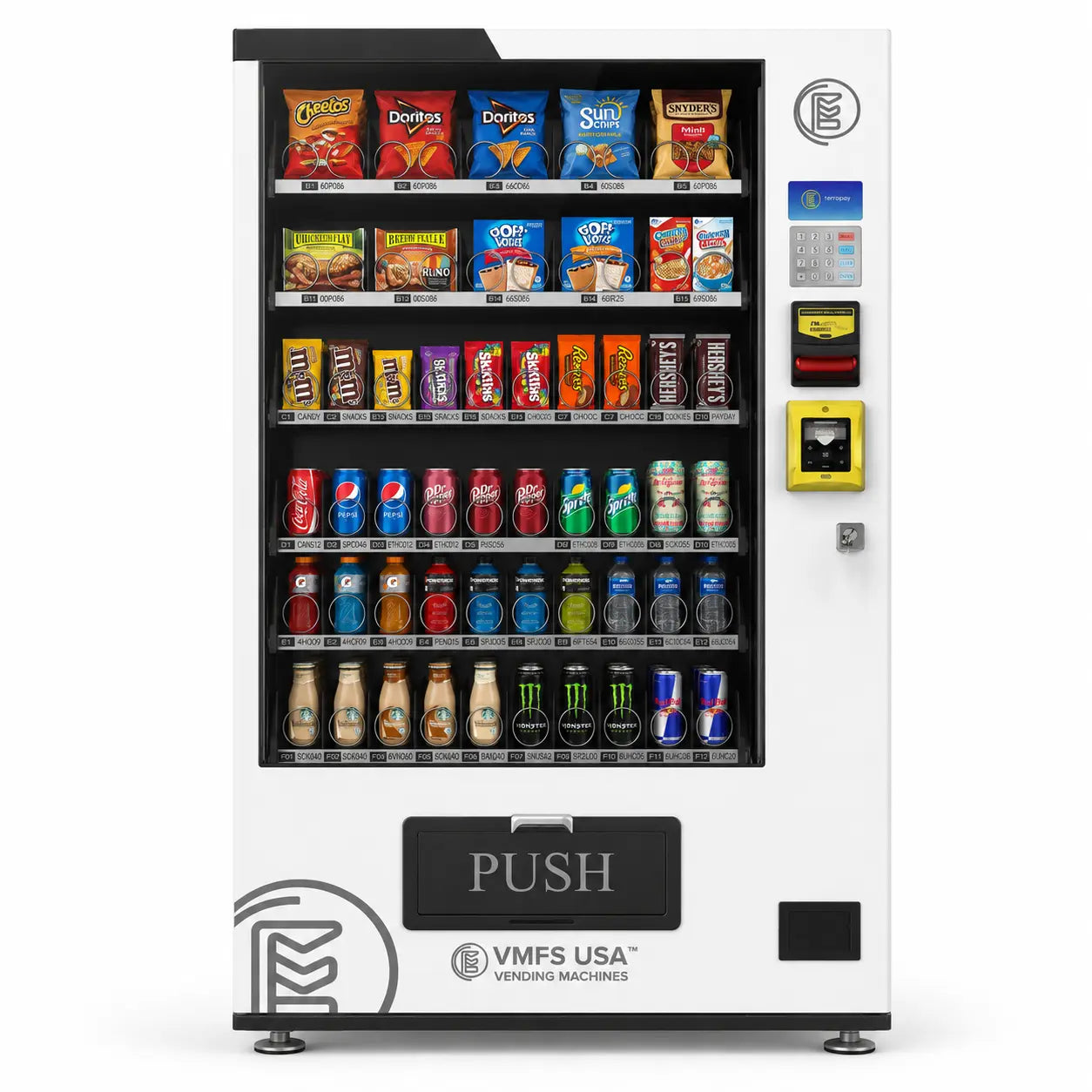
Machines selling sealed, shelf-stable products usually operate with a seller’s permit and any required local business license. These machines work well in offices, warehouses, hospitals, schools, and residential buildings.
Smaller placements such as boutique offices, gyms, and shared workspaces often prefer compact setups. In these environments, mini vending machines provide a space-efficient option while still meeting compliance requirements when stocked with packaged products.
California properties often include multi-floor buildings and dense campuses. Machines that allow easy access and fast servicing reduce downtime and labor costs.
California locations strongly favor cashless payment options. Modern machines improve customer experience without changing permit requirements when product categories remain the same.
Cashless acceptance, remote monitoring, and inventory alerts help operators manage routes efficiently across large metro areas.
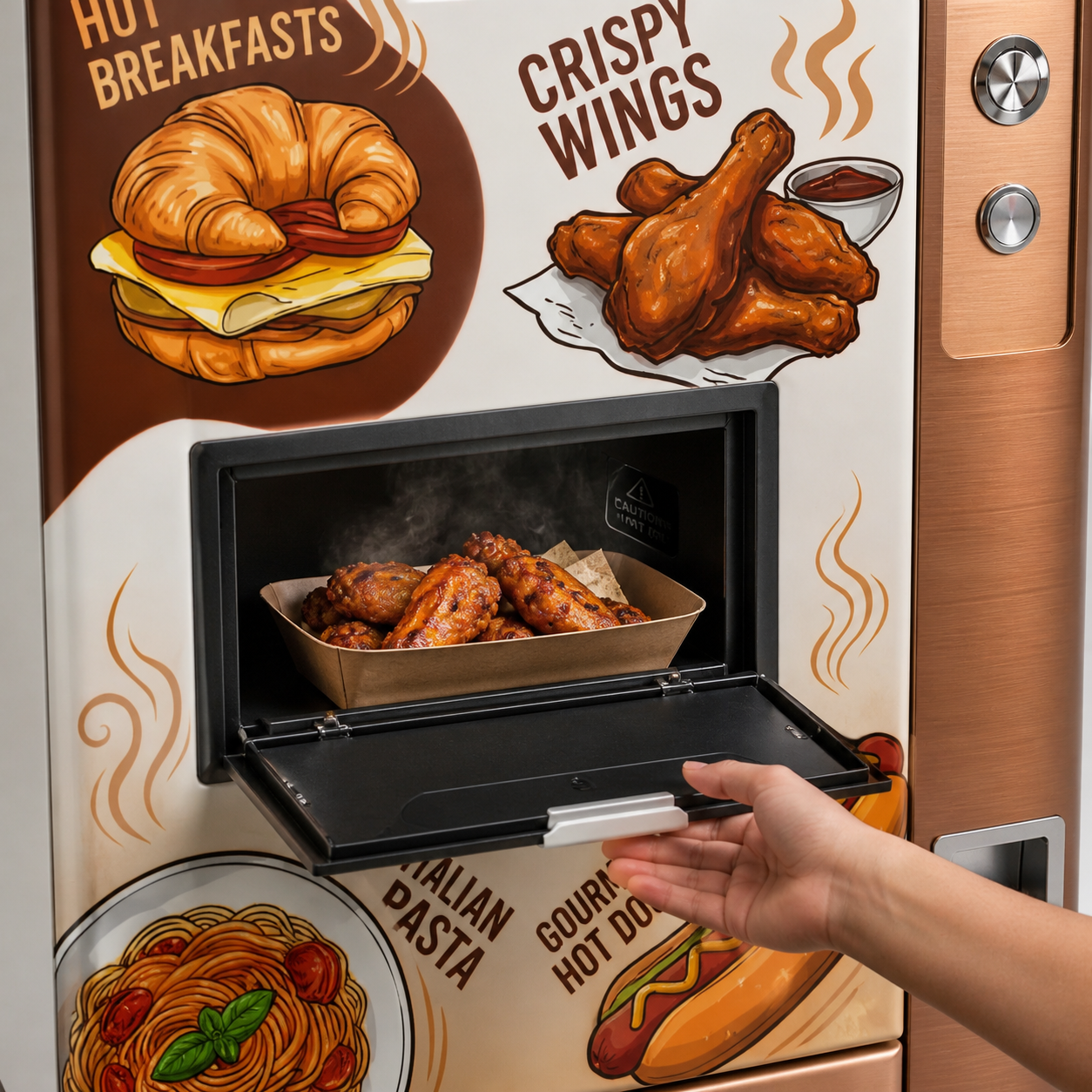
Food and specialty vending machines face higher regulatory oversight in California. When machines store, heat, freeze, or prepare food, operators must comply with county environmental health rules. These machines often require permits, inspections, and ongoing compliance.
These machines must meet strict standards for temperature control, sanitation, and food sourcing. County inspections often focus on daily operating conditions, not just initial setup.
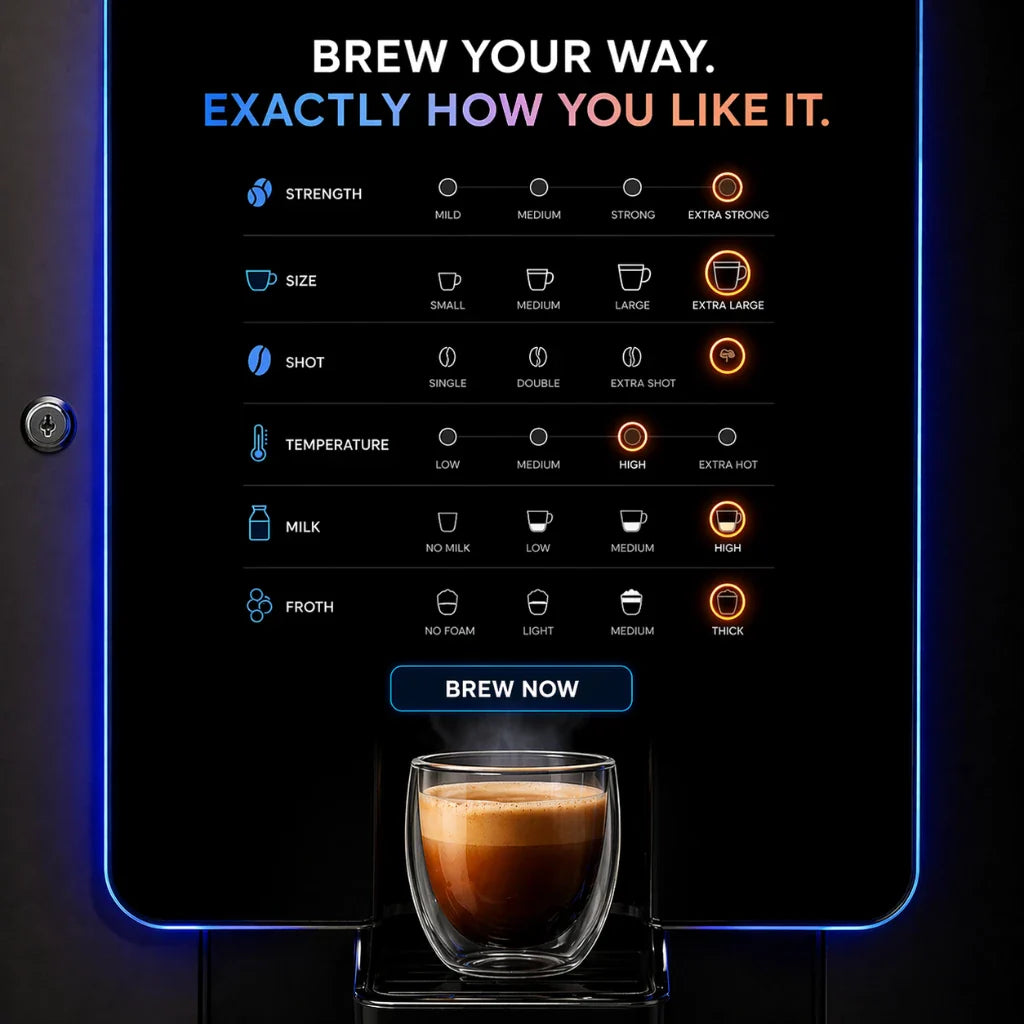
Specialty vending machines prepare or assemble food and drinks, which increases compliance requirements and approval timelines.
Because these machines brew, heat, or assemble food, county health departments may require additional documentation, inspections, and periodic renewals. Operators should confirm requirements before purchasing specialty equipment. Food and specialty vending can perform well in California’s dense markets, but only when operators plan for permits, inspections, and maintenance from the beginning.
Location choice plays a major role in vending performance and compliance across California. Operators should prioritize indoor environments with consistent daily traffic and limited nearby food options. These locations simplify permitting, reduce weather exposure, and generate repeat purchases. California’s dense metro areas create strong demand, but competition is higher. Property managers expect reliable service, modern machines, and fast issue resolution. Locations that appear busy but lack routine often underperform. Operators should focus on places where people stay on-site for extended periods.
Many California property owners prefer machines that sell packaged products because approvals are faster and compliance is simpler. Outdoor or public-space vending often requires additional permits and stricter placement rules. Operators looking to secure reliable placements can review proven strategies for identifying and negotiating vending machine locations that support long-term revenue.
Before installing or expanding vending machines in California, operators should confirm that all required approvals are in place. This checklist helps ensure full compliance and reduces the risk of fines or forced machine removal.
Keeping documentation organized helps during inspections and builds trust with property owners and local authorities.
Operating vending machines in California requires navigating a layered system of state registration, local approvals, and health regulations. There is no single statewide vending license. Every operator must register for sales tax, comply with city or county rules, and obtain health permits when selling regulated food. Operators who focus on packaged products, indoor locations, and consistent service usually face fewer regulatory hurdles and lower operating costs. Food and specialty vending can increase revenue in California’s dense markets, but only when operators plan for permits, inspections, and maintenance upfront. By confirming requirements early, selecting equipment that fits local rules, and securing high-traffic locations, vending operators can build compliant and profitable routes across California.
Share:
How To Get A Vending Machine Permit And License In Arkansas
How To Get A Vending Machine Permit And License In Arkansas