Operating vending machines in Arkansas requires compliance with a structured system of state tax registration, machine-level obligations, and local oversight. Arkansas does not issue a single, universal vending machine permit. Instead, operators must register for a Sales and Use Tax Permit with the Arkansas Department of Finance and Administration, comply with vending excise tax rules when applicable, and maintain annual vending machine decals for each qualifying machine. These requirements apply regardless of whether a business operates one machine or an entire route.
In addition to state requirements, Arkansas allows cities and counties to enforce their own business licensing, zoning, and placement rules. This local control means vending compliance can vary by location, even within the same county. Operators who place machines without confirming local requirements risk citations, forced removal, or retroactive fees.
Most vending machines that sell packaged snacks and sealed bottled beverages face fewer regulatory hurdles. These machines usually require only state tax registration and compliance with decal rules. However, machines that sell regulated products, including prepared food, frozen meals, hot items, alcohol, tobacco, or vape products, often trigger additional permits and inspections. Health department approval may apply in these cases, depending on the product type and how it is dispensed.
Arkansas enforces vending rules through inspections, audits, and local enforcement actions. Machines that lack proper decals, tax registration, or required permits can be removed from service. Because enforcement varies by city and product category, operators benefit from confirming requirements before installation. Planning compliance upfront helps avoid downtime, fines, and damaged relationships with property owners.
This guide explains Arkansas vending machine permit requirements clearly and in practical terms. It breaks down state-level obligations, local licensing rules, food and beverage regulations, costs, and compliance steps. Understanding these requirements before placing machines allows operators to expand routes confidently and maintain long-term placements.
Do You Need A Vending Machine Permit In Arkansas?
Arkansas does not issue a single vending machine permit that applies statewide. Instead, vending businesses meet their obligations through a combination of state tax registration, vending excise tax compliance, machine decals, and local approvals. Many operators use the word “permit” to describe this entire compliance package.
Whether you need approvals beyond state tax registration depends on two main factors. First, the type of products sold through the vending machine matters. Second, the city or county where the machine operates determines which local rules apply.
- The products sold through the vending machine
- The city or county where the machine is placed
Machines that sell packaged, shelf-stable snacks and sealed bottled beverages usually face the simplest requirements. In most cases, these machines require state tax registration and compliance with vending decal rules. Health department approval is not typically required for these products.
Vending machines that sell food requiring temperature control or preparation face additional oversight. Fresh food, frozen items, hot meals, and prepared beverages often fall under food establishment rules. These machines may require permits and inspections from county health departments. Operators who plan to install these machines should confirm requirements before purchasing equipment.
Local governments also play a critical role in Arkansas vending compliance. Cities and counties can require general business licenses, zoning approval, or vendor permits. Some municipalities enforce per-machine fees or registration requirements. Others focus on placement rules, especially for machines in public spaces or government-owned buildings.
The key point is straightforward. Every vending operator in Arkansas must comply with state tax rules. Some operators also need local licenses. Only certain machines require health permits. Confirming requirements early helps operators avoid fines, delays, and forced machine removal.
State-Level Requirements For Vending Machines In Arkansas
All vending machine businesses operating in Arkansas must meet state-level requirements before placing machines. Arkansas regulates vending primarily through tax registration and excise tax enforcement rather than a traditional vending license.
Most operators must register for a Sales and Use Tax Permit with the
Arkansas Department of Finance and Administration. This registration allows the state to track vending sales and collect applicable state and local taxes. Registration and ongoing management are handled through the Arkansas Taxpayer Access Point portal.
Arkansas also enforces a vending excise tax system. Under this system, qualifying vending machines must display an annual decal issued by the state. These decals serve as proof that the machine is registered and compliant for the fiscal year. Operators must renew decals annually and ensure they remain visible on each machine.
State registration applies regardless of how many machines a business operates. It also applies whether machines sell snacks, drinks, or regulated food. Without proper registration and decals, machines may be subject to penalties or removal.
It is important to understand what state registration does not cover. Registering with the state does not replace local business licenses, zoning approval, or health permits. Cities and counties retain authority to regulate vending activity within their boundaries.
State registration also does not authorize the sale of regulated products. Machines that sell alcohol, tobacco, vape products, or certain food items may require additional permits from other agencies.
Operators should treat state registration as the foundation of Arkansas vending compliance. Completing this step early makes it easier to secure local approvals and avoid enforcement issues during inspections or audits.
Official resources:
Local City And County Licensing Rules In Arkansas
After completing state-level tax registration, vending machine operators in Arkansas must review city and county rules where each machine will operate. Arkansas grants strong local authority to municipalities and counties, which means vending requirements can differ significantly from one location to another.
Some cities require only state tax compliance, while others enforce local business licenses, privilege taxes, zoning approval, or vending-specific permits. These rules apply whether vending machines are placed indoors on private property or in public-facing spaces. Operators should never assume that compliance in one city carries over to another.
Local governments may regulate vending activity through several mechanisms. Some require a general business license issued annually. Others impose per-location or per-machine fees. Certain cities focus on zoning and placement rules, especially for machines located in public buildings, parks, transportation hubs, or government-owned property.
Enforcement varies by municipality. Larger cities often have dedicated licensing or code enforcement departments that actively monitor compliance. Smaller towns may enforce rules only when complaints arise. In both cases, operating without required local approval can result in fines, forced removal of machines, or suspension of business activity.
Operators should contact the city clerk or business licensing office for each placement location. Many municipalities publish business licensing information online. Examples include:
Because local requirements change, operators should confirm rules before placing machines, not after. Early verification prevents enforcement problems and protects relationships with property owners.
Food And Beverage Vending In Arkansas
Food and beverage vending in Arkansas is regulated more closely than standard packaged vending. Oversight increases when vending machines sell food or drinks that require temperature control, preparation, or handling beyond sealed packaging. In these cases, county health departments play a primary role.
Machines that sell packaged, shelf-stable snacks and sealed bottled beverages usually do not require health department permits. These products do not involve preparation, refrigeration, or heating. For many operators, packaged vending represents the lowest compliance burden.
Health permits become relevant when vending machines sell regulated food. This includes fresh meals, refrigerated items, frozen products, hot food, or prepared beverages. These machines often fall under food establishment regulations and may require inspections before or after installation.
County health departments review several factors during approval. Inspectors typically evaluate how food is stored, how temperatures are maintained, cleaning procedures, and product sourcing. Machines that fail to meet standards may be denied approval or required to make changes before operation.
Operators planning to install food vending machines should contact the county health department responsible for the machine’s location before purchasing equipment. Requirements can differ by county, especially for specialty or prepared food vending.
Official health resources include:
Food vending can increase revenue, but only when operators plan for compliance, inspections, and ongoing maintenance. Packaged vending remains the simplest path for operators who want fewer regulatory hurdles.
Step-By-Step: How To Get A Vending Machine Permit In Arkansas
Obtaining proper approval to operate vending machines in Arkansas works best when completed in a clear sequence. Because state, local, and health requirements depend on one another, following these steps reduces delays and rejected applications.
Step 1: Register Your Business
First, establish your business legally. Most vending operators form an LLC and obtain a federal Employer Identification Number. This step allows you to open bank accounts, apply for licenses, and work with suppliers.
Business registration is handled through the
Arkansas Secretary of State.
Step 2: Register For State Taxes
Next, register for a Sales and Use Tax Permit with the Arkansas Department of Finance and Administration. Registration and ongoing management occur through the Arkansas Taxpayer Access Point.
If your vending setup requires vending excise tax compliance, obtain and display annual vending machine decals for each qualifying machine.
Step 3: Check City And County Requirements
After state registration, confirm whether the city or county where the machine will operate requires a business license, zoning approval, or vendor permit. This step is location-specific and must be repeated for each new placement.
Step 4: Apply For Health Permits If Required
If vending machines sell regulated food or prepared beverages, apply for required permits through the county health department. Submit machine details, product lists, and sanitation plans as requested.
Step 5: Install And Maintain Compliance
Once approvals are in place, install machines and begin operation. Keep copies of registrations, decals, and permits available. Track renewal deadlines carefully, as most approvals require annual renewal.
Following this order helps vending operators move from planning to operation with fewer setbacks and stronger long-term compliance.
Cost Of Vending Machine Licenses And Permits In Arkansas
The cost of operating vending machines in Arkansas depends on the type of products sold and the locations where machines operate. Arkansas does not charge one flat statewide vending permit fee. Instead, operators budget for a mix of state tax registration, vending excise tax and decals, local business licenses, and health permits when applicable.
At the state level, operators must register for a Sales and Use Tax Permit. Arkansas also applies a vending excise tax system for qualifying machines. Under this system, operators purchase annual decals that must be affixed to each vending machine. These decals serve as proof of compliance for the fiscal year and must be renewed annually.
Local costs vary by city and county. Some municipalities charge a general business license fee. Others apply per-machine or per-location fees. Public or government-owned properties may involve additional charges or permit requirements. Because Arkansas allows strong local control, there is no statewide local fee range that applies everywhere.
Health permit costs apply only when machines sell regulated food. County health departments set these fees, which can include permit charges and inspection costs. Machines selling only packaged snacks and bottled beverages usually avoid these expenses.
For a broader comparison of vending permit costs across states, operators can reference this
vending machine permit cost guide.
| Requirement |
Authority |
Estimated Cost Range |
| Sales and Use Tax Registration |
Arkansas DFA |
State filing fee |
| Vending Machine Decals |
Arkansas DFA |
Per machine, annual |
| Local Business License |
City or County |
$25 – $200+ |
| Health Permit (If Required) |
County Health Dept. |
$75 – $300+ |
Most small vending operations selling packaged products face relatively low annual compliance costs. Expenses increase when machines sell prepared food or operate in cities with additional licensing rules. Planning for these costs upfront helps operators expand without surprises.
Choosing Vending Machines That Fit Arkansas Permit Rules
Machine selection plays a direct role in both compliance and profitability. In Arkansas, vending machines that sell packaged products usually face fewer permit requirements and faster approvals. Machines that prepare or temperature-control food require additional permits and inspections.
Standard Vending Machines With Fewer Permit Requirements
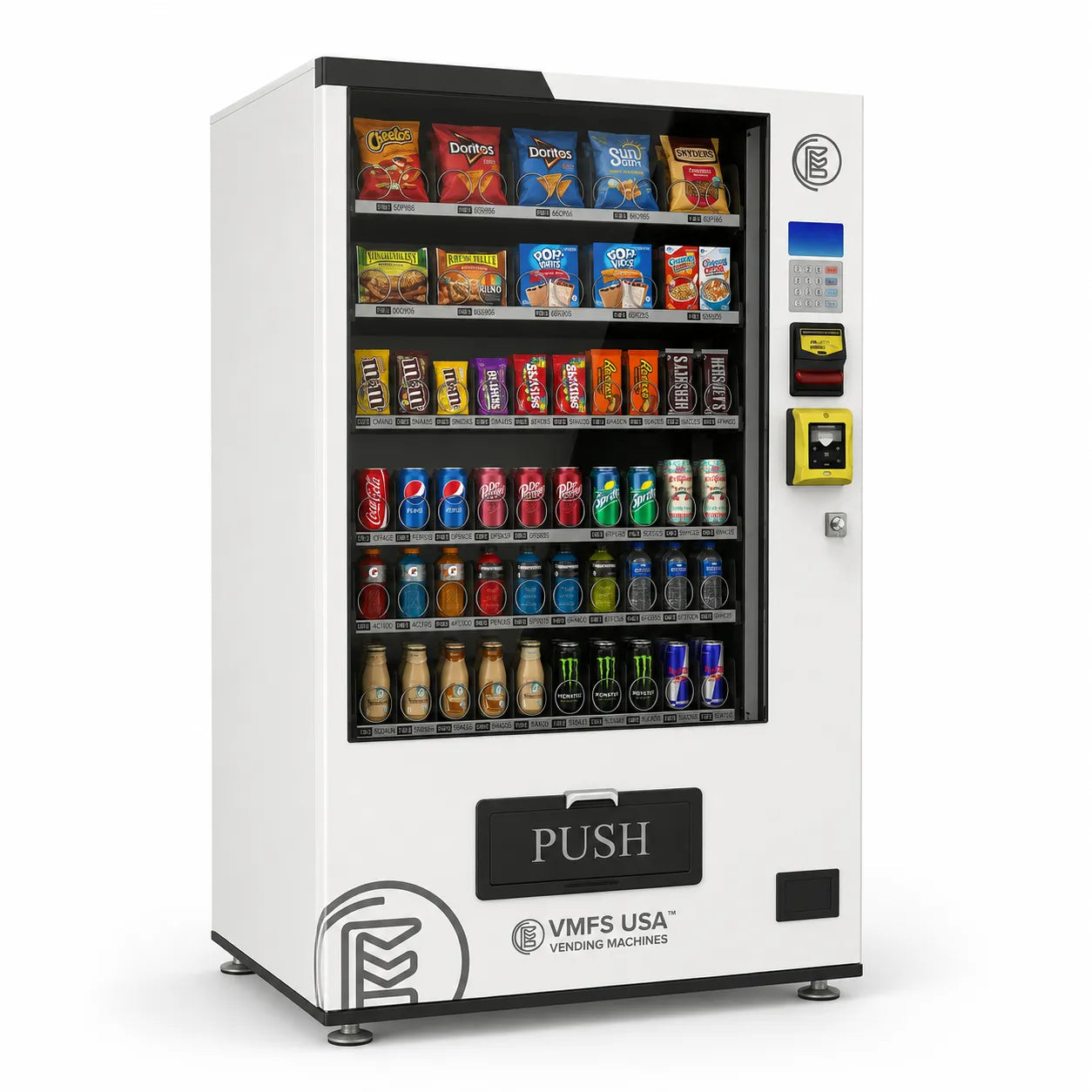
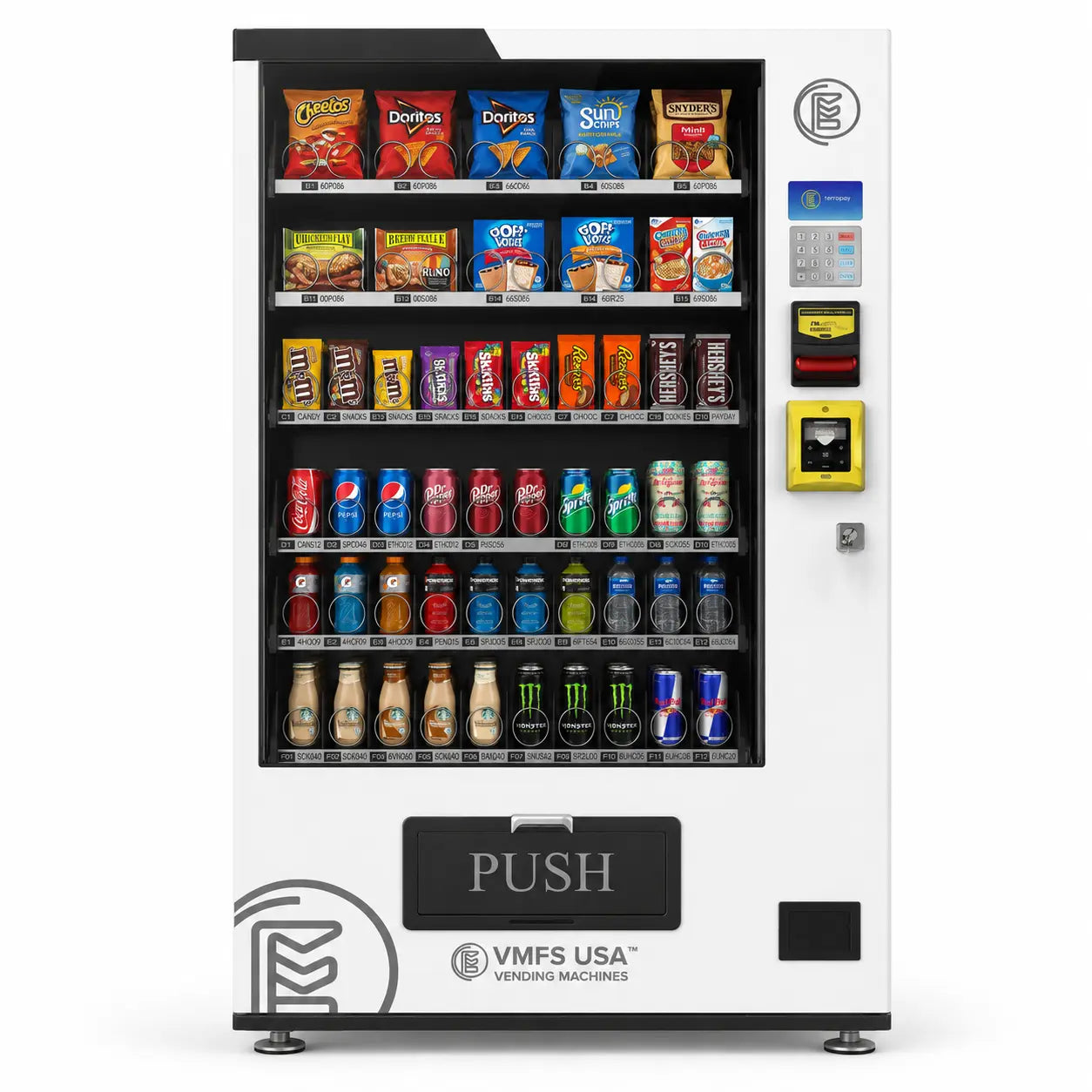
Machines selling sealed, shelf-stable products generally operate under state tax compliance and any required local license. These machines work well in offices, warehouses, hospitals, and residential buildings.
These machines rarely require health permits because they do not involve food preparation or temperature-sensitive handling beyond sealed packaging.
Machine Access And Service Considerations
Arkansas properties often include multi-floor offices, warehouses, and healthcare facilities. Machines that allow easy access reduce service time and injury risk.
Modern Vending Machines And Payment Expectations
Most Arkansas locations expect cashless payment options. Modern machines improve customer experience without changing permit requirements when product categories stay the same.
These machines support remote monitoring and reduce service issues across wide geographic routes.
Food And Specialty Vending Machines In Arkansas
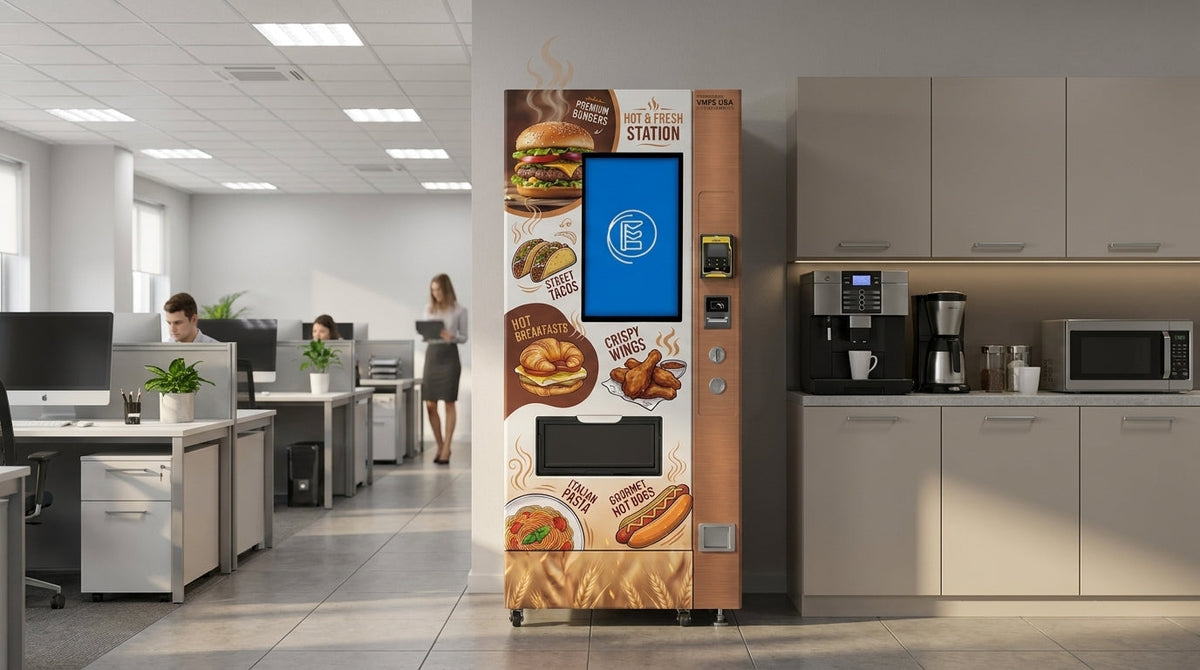
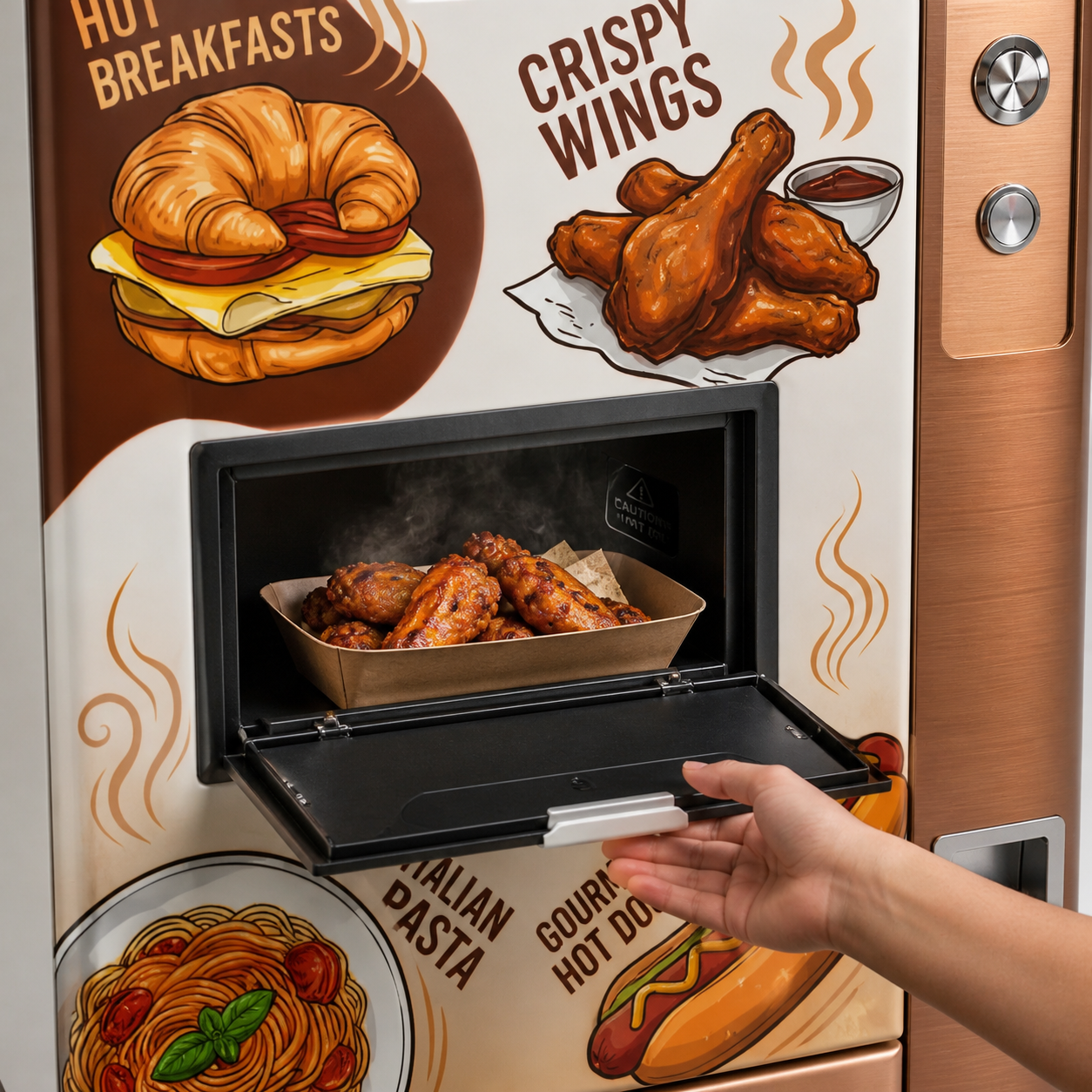
Food and specialty vending machines face higher regulatory oversight in Arkansas. When machines store, heat, freeze, or prepare food, operators must comply with county health rules. These machines often require permits, inspections, and ongoing compliance.
Food Vending Machines That Commonly Require Health Approval
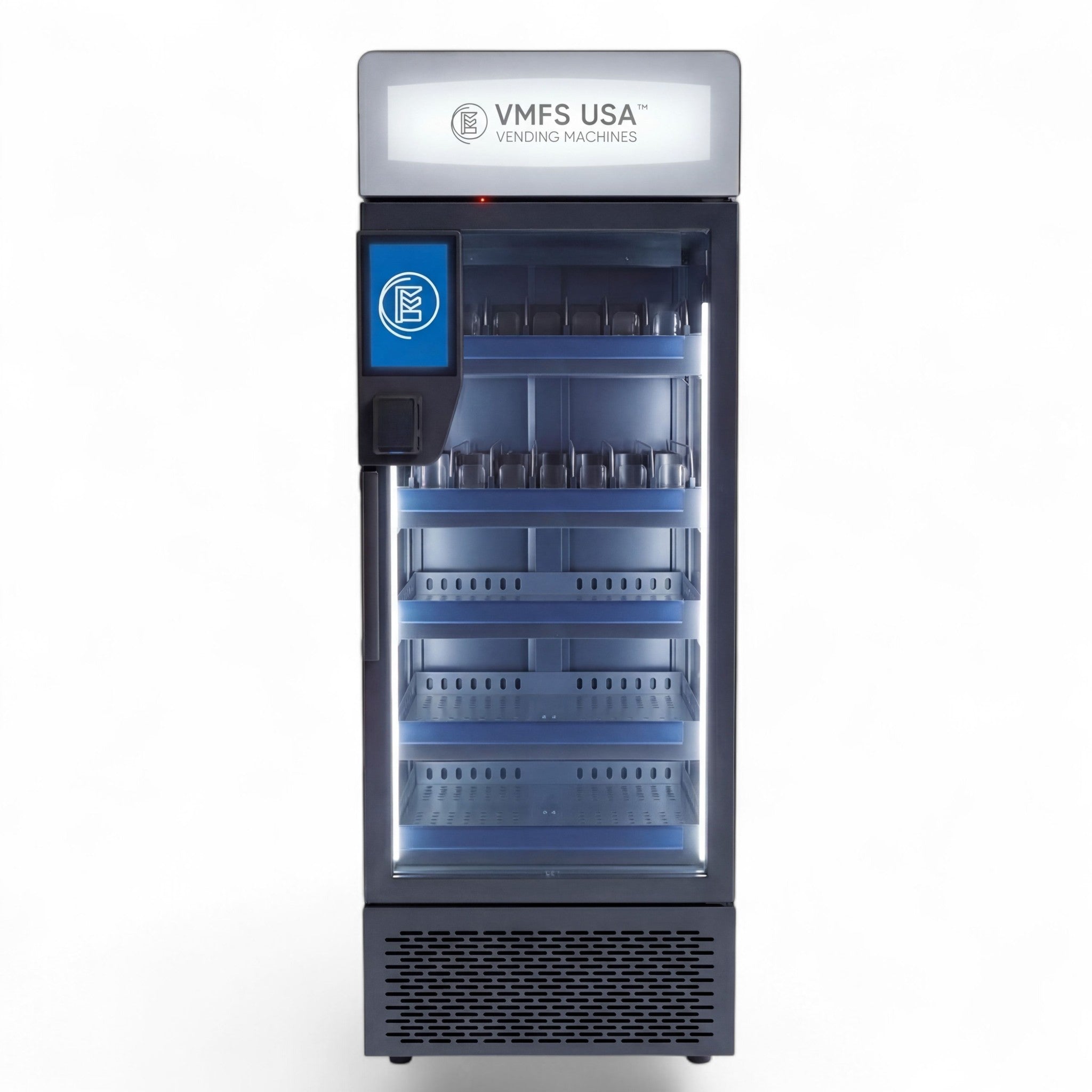
These machines must maintain safe food temperatures and follow strict sanitation standards. Health inspections often focus on storage, cleaning procedures, and temperature logs.
Specialty And Prepared-Food Vending Machines
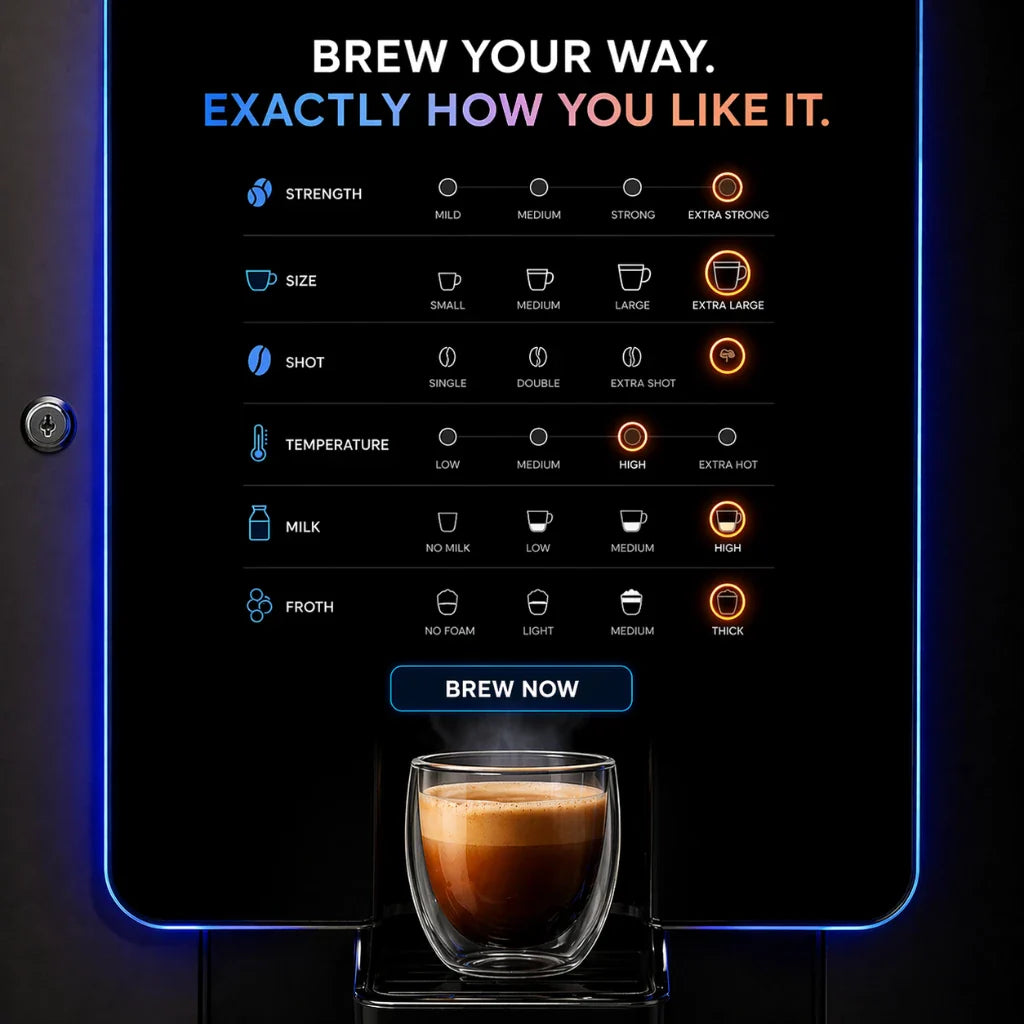
Specialty machines prepare or assemble food and drinks, which increases compliance requirements and approval timelines.
Because these machines brew, heat, or assemble food, county health departments may require additional documentation, inspections, and periodic renewals. Operators should confirm requirements before purchasing specialty equipment.
Food vending can generate higher revenue, but only when operators plan for compliance, maintenance, and inspection schedules from the start.
Best Locations For Vending Machines In Arkansas
Location choice has a direct impact on both vending revenue and long-term compliance. In Arkansas, the strongest vending locations are indoor environments with consistent daily traffic and limited food alternatives. These locations simplify permitting, reduce weather-related issues, and generate repeat purchases.
Operators should focus on places where people remain on-site for long periods. Break schedules, shift work, and limited access to nearby retail increase vending usage. Locations that look busy but lack routine often underperform.
Location Types That Perform Consistently
- Manufacturing plants and processing facilities
- Warehouses and distribution centers
- Hospitals and medical centers
- Office buildings with limited food options
- Apartment complexes and residential communities
- Gyms and mixed-use properties with dwell time
Many of these locations prefer machines selling packaged snacks and bottled drinks because approvals are simpler. Property managers often request proof of tax compliance, insurance, and service reliability before approving placement.
Public outdoor locations and government-owned spaces usually involve additional permits and stricter placement rules. Indoor private property placements offer the best balance of approval speed and predictable sales.
Operators looking to secure strong placements can review proven strategies for identifying and negotiating
vending machine locations that support long-term profitability.
Final Compliance Checklist For Arkansas Vending Operators
Before installing or expanding vending machines in Arkansas, operators should confirm that all required approvals are complete. This checklist helps ensure full compliance and reduces the risk of fines or forced machine removal.
- Business entity registered with the Arkansas Secretary of State
- Sales and Use Tax Permit active with the Arkansas Department of Finance and Administration
- Vending machine decals obtained and displayed, if applicable
- Local city or county business license secured, if required
- Health permits approved for regulated food vending
- General liability insurance in place
- Licenses, decals, and permits renewed on time
Keeping copies of registrations, decals, and permits on file helps during inspections and builds trust with property owners.
Conclusion
Operating vending machines in Arkansas requires understanding a layered compliance system rather than relying on a single permit. Every operator must meet state tax requirements and vending excise rules. Some locations also require local licenses. Only certain machines trigger health department permits.
Operators who focus on packaged products, indoor locations, and consistent service face fewer regulatory challenges and lower operating costs. Food and specialty vending can increase revenue, but only when operators plan for permits, inspections, and maintenance upfront.
By confirming requirements early, selecting the right equipment, and securing
high-traffic locations, vending operators can build stable and profitable routes across Arkansas. Careful compliance protects placements, reduces downtime, and supports long-term growth.





Share:
How To Get A Vending Machine License And Permit In California
How To Get A Vending Machine License And Permit In California