


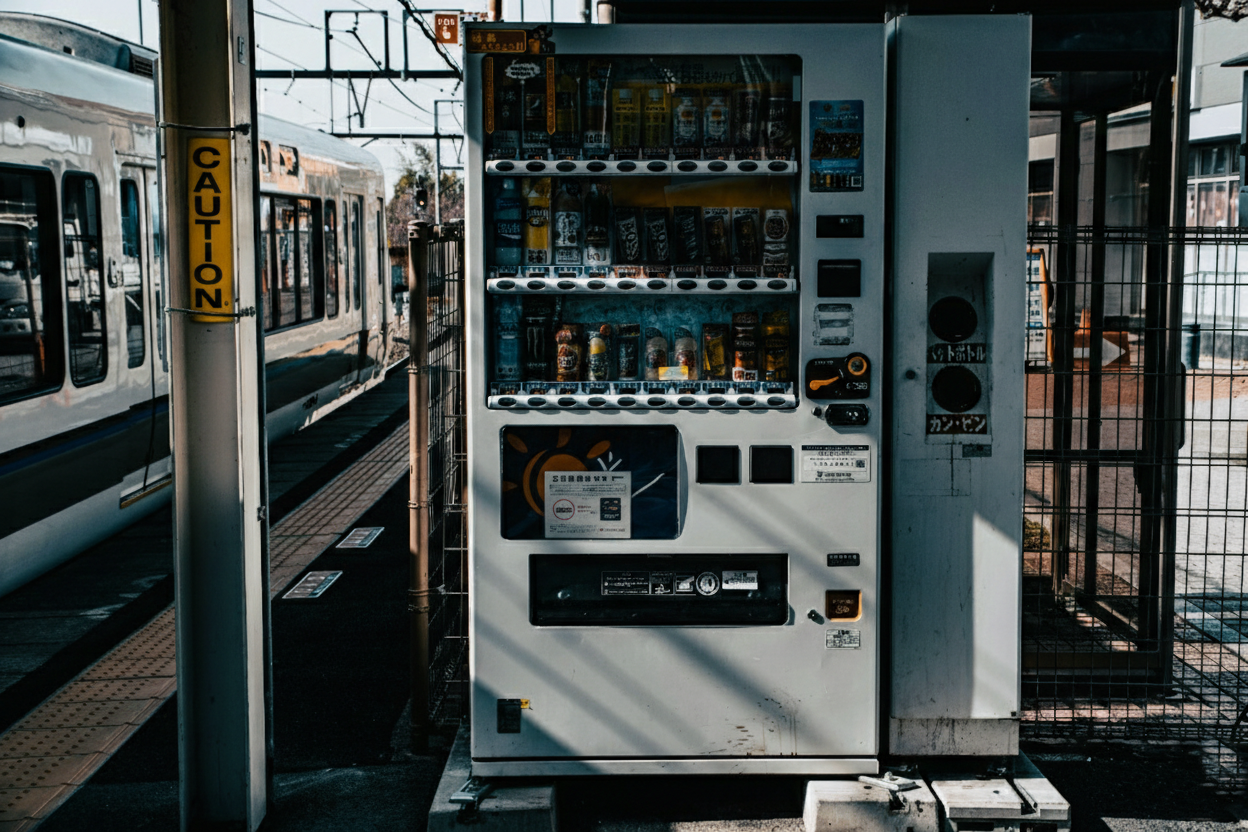


Design the perfect vending solution for your location and customers.

Join the VMFS newsletter and step into a thriving network dedicated to collective success.
One signup. Endless possibilities.
Starting a vending machine business in Colorado requires proper business registration, state tax licensing, and compliance with local city and county regulations. Colorado does not issue one single statewide vending machine license. Instead, operators must register for a Colorado Sales Tax License, obtain required local business licenses, and secure health permits only when selling regulated food or beverages. Colorado offers strong vending demand due to growing metro areas like Denver, Colorado Springs, and Aurora, combined with expanding warehouse, healthcare, and corporate sectors. However, Colorado’s home-rule cities can impose additional local tax and licensing requirements. Operators who verify state and local rules before placing machines avoid penalties, audits, and forced removals.
Before installing any vending machines, you must establish a legal business entity. Most vending operators in Colorado form a limited liability company (LLC). An LLC separates personal assets from business liabilities while maintaining operational flexibility.
Business formation in Colorado is completed through the Colorado Secretary of State. After registering your entity, obtain a federal Employer Identification Number (EIN) from the IRS. The EIN is required to open a business bank account, apply for tax licenses, and set up payment processing systems.
Colorado offers online business registration with relatively low filing fees compared to many states. Most registrations are processed quickly when submitted correctly.
Property managers and commercial landlords typically require proof of an active business registration before approving vending machine placement. Operating without a registered entity limits access to professional locations and increases personal liability risk.
Most vending machine businesses in Colorado must obtain a Colorado Sales Tax License, sometimes referred to as a Retail Sales Tax License. This license allows operators to collect and remit sales tax on vending sales.
The license is issued by the Colorado Department of Revenue and is required before beginning operations. Unlike California, Colorado charges a one-time licensing fee. As of current state guidance, the standard sales tax license fee is $16, plus a $50 deposit that may be refunded after compliance requirements are met.
Colorado has a state sales tax rate of 2.9 percent. However, local cities and counties may add additional tax rates. Certain home-rule cities such as Denver administer their own local sales tax separately from the state system. Operators must confirm whether local tax registration is required in addition to the state license.
Failure to register properly or apply the correct local tax rate can lead to penalties, audits, and interest charges. Maintaining accurate reporting for each machine location ensures compliance and protects long-term operations.
After obtaining a Colorado Sales Tax License, vending operators must confirm local licensing requirements in every city or county where machines will operate. Colorado allows strong local control, especially in home-rule cities. This means licensing rules can differ significantly between Denver, Colorado Springs, Aurora, Fort Collins, and smaller municipalities.
Many Colorado cities require a general business license or local sales tax registration, even when vending machines are placed indoors on private property. In home-rule cities such as Denver, operators may need to register separately for local sales tax in addition to the state license.
Counties may also impose licensing requirements in unincorporated areas. Operators placing machines outside city limits should verify county regulations before installation.
Some cities require one license covering all operations within city limits. Others may require separate registration for each physical location. Because enforcement varies, confirming requirements before machine placement prevents fines, penalties, or forced removal.
Colorado’s home-rule structure makes local verification essential. Operators expanding into multiple cities must treat each jurisdiction independently.
Health permits in Colorado apply only in specific vending situations. Most vending machines that sell packaged, shelf-stable snacks and sealed bottled beverages do not require health department approval.
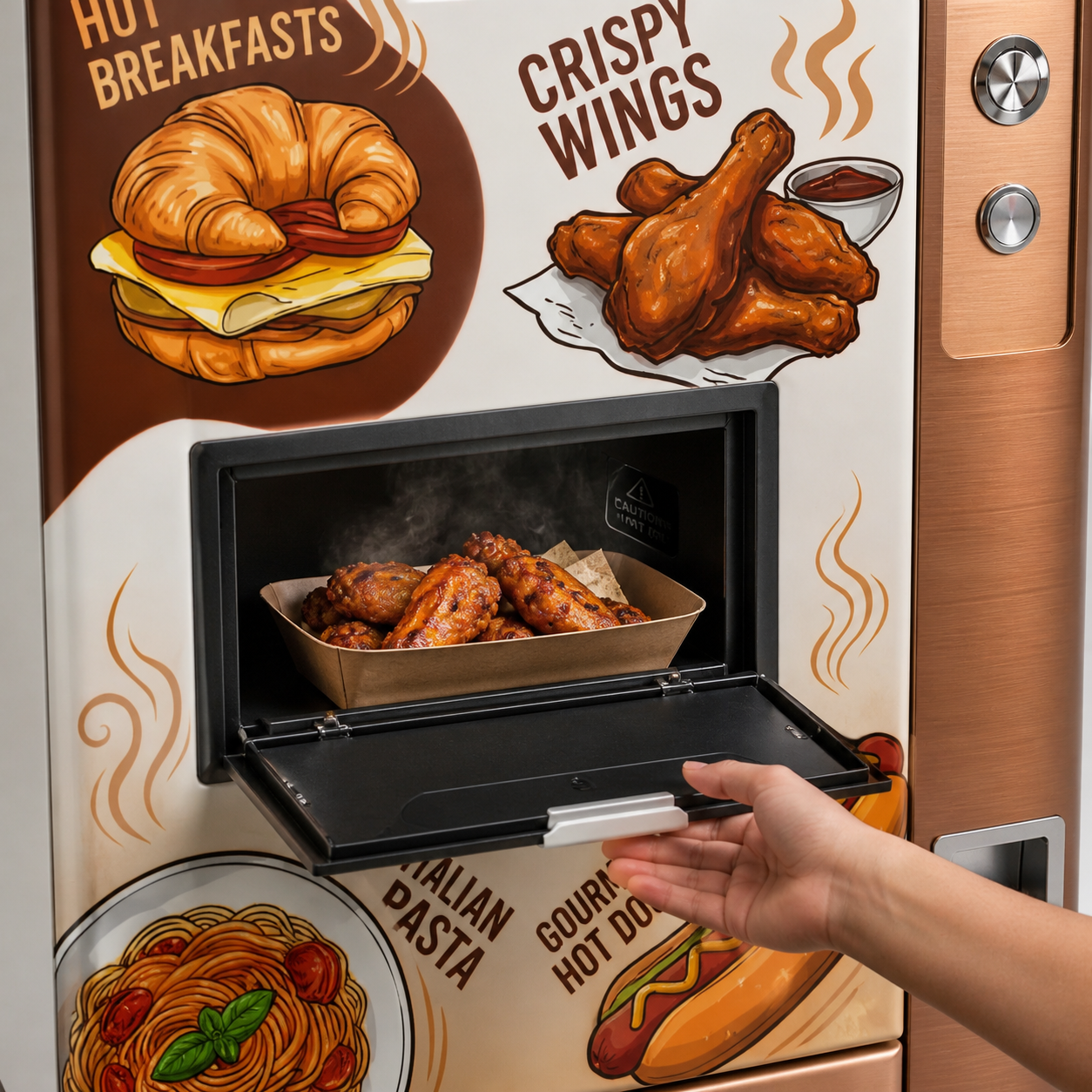
Health permits are typically required when vending machines sell food or beverages that require temperature control or preparation. This includes fresh food, refrigerated products, frozen meals, hot items, and prepared beverages.
Health permits are issued by county public health departments, not the state revenue department. Requirements may include plan review, equipment approval, inspections, and annual renewals.
Operators planning to install temperature-controlled or food-preparing equipment should confirm county health department requirements before purchasing machines. Learn more in our Colorado vending machine permit guide.
Although this guide covers Colorado, permit principles remain similar: packaged vending carries lower regulatory exposure, while food vending triggers health oversight.
Choosing the right vending machines directly affects compliance, approval speed, service efficiency, and long-term profitability in Colorado. Machine selection should prioritize regulatory simplicity, reliability, and alignment with location demand. Machines that sell packaged products face fewer regulatory hurdles. Equipment that prepares, heats, freezes, or dispenses fresh food requires additional county health approval and inspection.
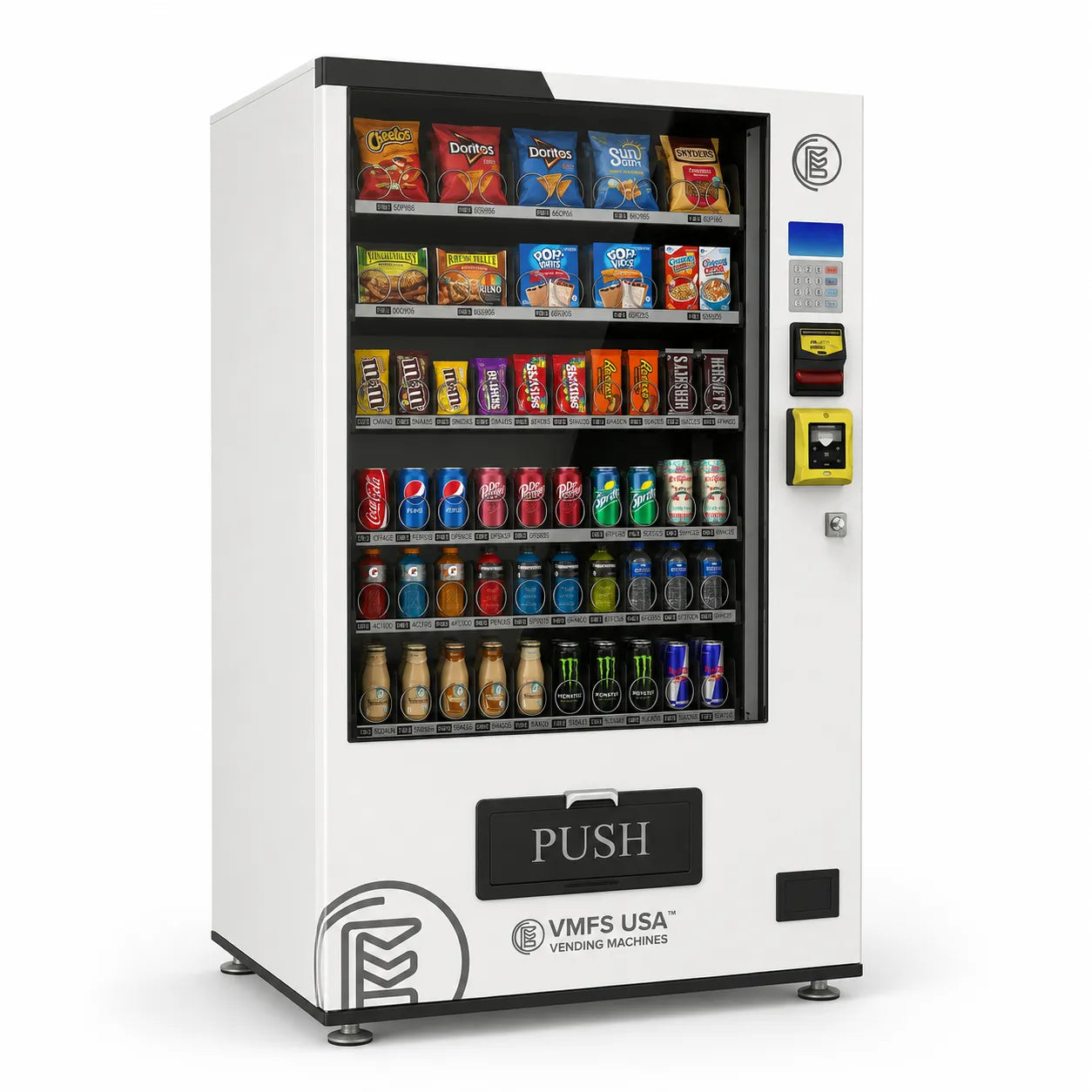
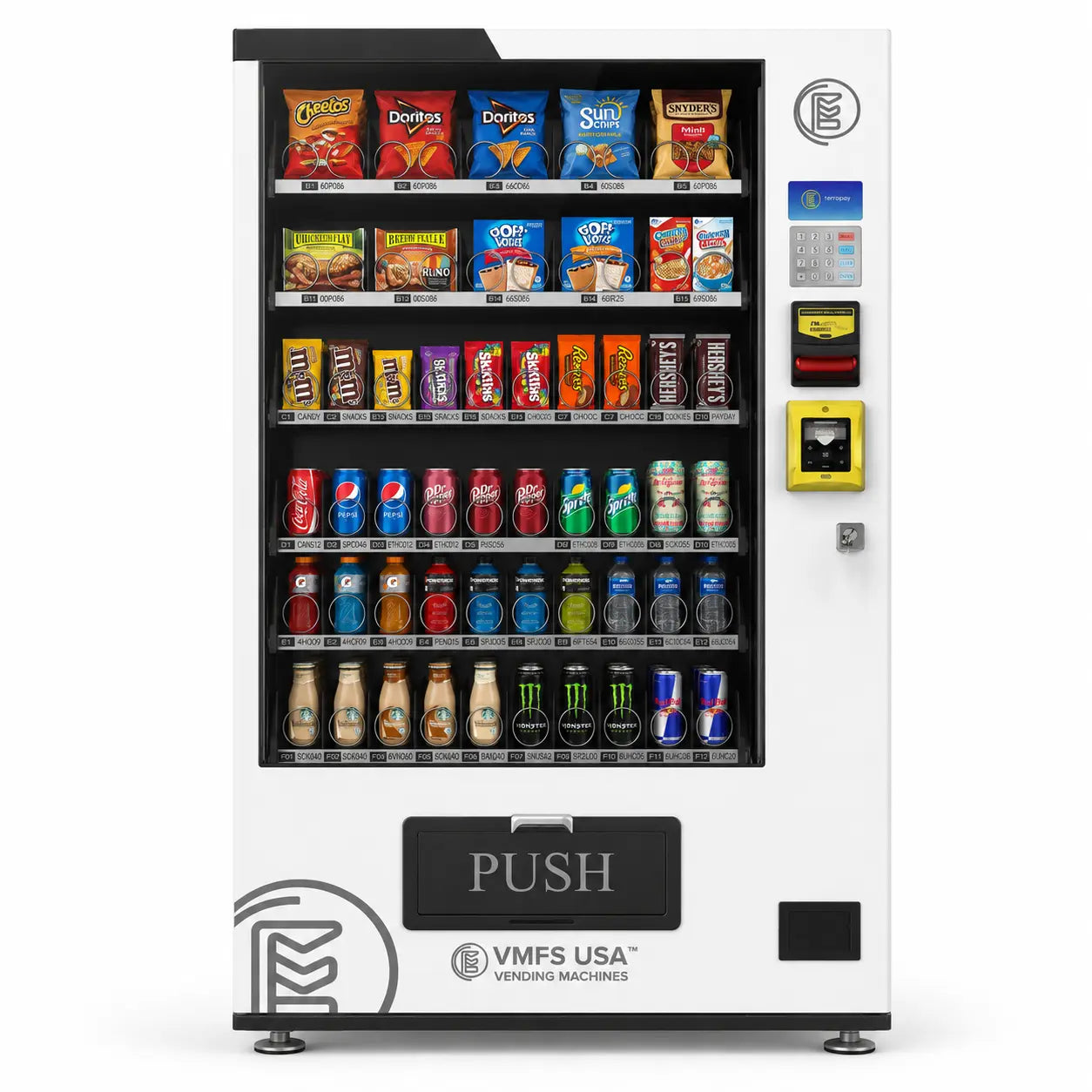
The following machine types typically require only a Colorado Sales Tax License and any applicable local business license when stocked with packaged items:
These machines are commonly approved in offices, healthcare facilities, distribution centers, and residential complexes without requiring county health permits.
Some Colorado locations do not require full-size equipment. In these cases, mini vending machines offer a compact solution without increasing compliance complexity. They are ideal for:
Technology-forward operators may also consider AI vending machines. These systems support real-time inventory tracking, dynamic pricing, and advanced cashless payment integration. While they do not change licensing requirements, they improve route efficiency and reduce stockouts.
Some locations request tailored vending setups. In these situations, custom vending machines can align with branding, product mix, or space limitations. Custom equipment does not alter tax obligations, but operators must ensure compliance if food preparation or refrigeration is involved.
Machines that store, heat, freeze, or prepare food require county health department approval in most Colorado jurisdictions.
| Machine Type | Permit Impact |
|---|---|
| Food vending machines | Health permit typically required |
| Cold and hot food vending machines | Inspection and temperature compliance required |
| Frozen vending machines | Strict cold storage standards apply |
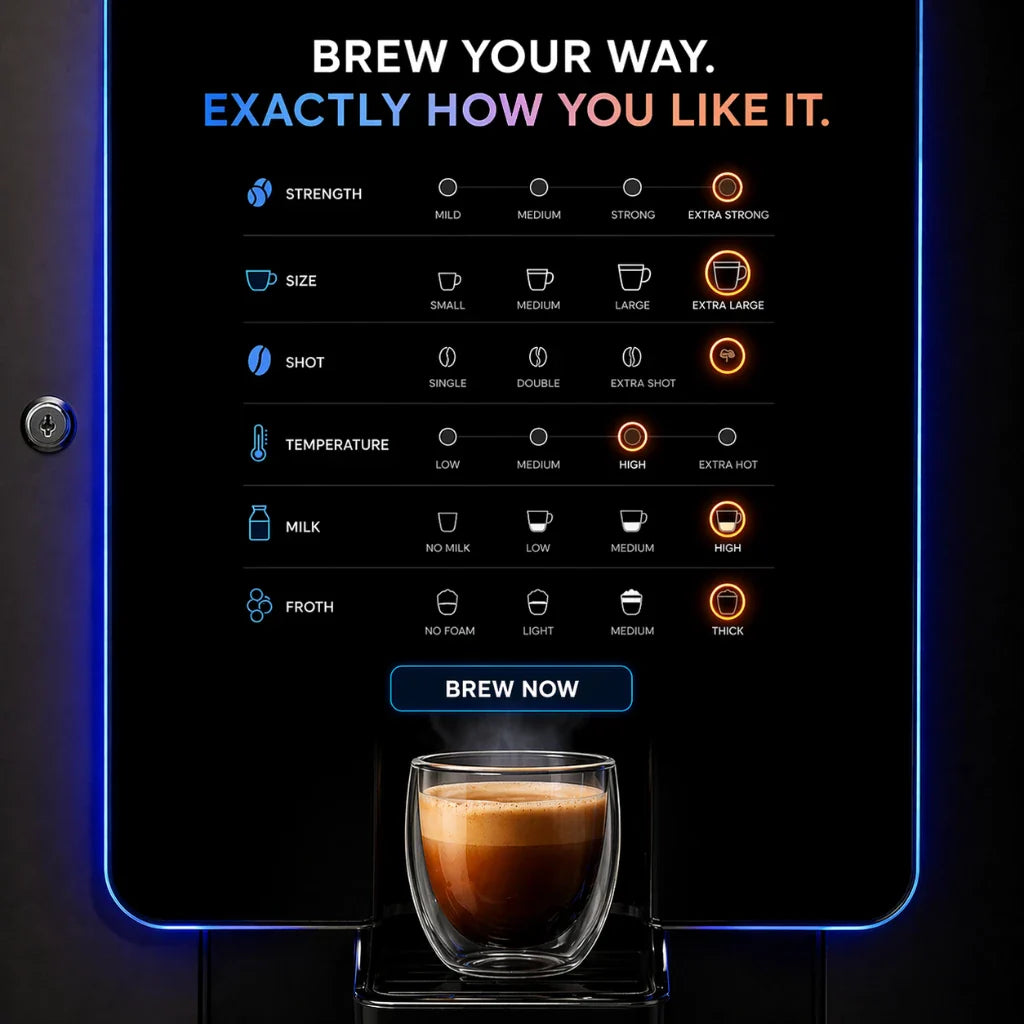
| Coffee vending machines | Permit may apply due to preparation and water use |
Before purchasing temperature-controlled equipment, confirm requirements with the county health department where the machine will operate.
Ease of maintenance directly impacts profitability. Machines that are difficult to service increase labor costs and location dissatisfaction.
Choosing machines that match Colorado location demand, climate conditions, and compliance requirements allows operators to scale more efficiently across urban and suburban markets.
Strong locations determine profitability more than machine type or product pricing. In Colorado, high-performing vending placements are typically indoor environments with consistent foot traffic and limited nearby retail options. These locations generate repeat purchases and simplify compliance.
Before installation, confirm approval requirements with the property owner or facility manager. Many commercial locations require proof of business registration, a Colorado Sales Tax License, general liability insurance, and a defined service schedule.
Colorado’s growing logistics and warehouse sectors create strong beverage demand, while office and healthcare facilities generate steady snack and combo sales. Indoor placements typically require fewer approvals compared to outdoor or public vending areas.
Public placements, parks, and municipal properties may require additional permits or contracts. Operators should confirm local municipal rules before installing machines in public-facing areas.
Focusing on proven vending machine locations reduces placement turnover and helps operators build predictable service routes.
Launching a vending machine business in Colorado is only the first step. Long-term success depends on maintaining compliance and operational discipline. Most regulatory issues occur after installation due to missed renewals or reporting errors.
Colorado requires accurate tax reporting by location. Operators running machines in multiple cities must track where revenue is generated and apply the correct combined state and local tax rate.
Service quality directly impacts location retention. Machines are typically removed due to missed restocks, payment failures, or poor maintenance rather than commission disputes.
Machine selection influences both compliance and profitability. Colorado locations increasingly expect reliable equipment with cashless payment capability and modern interfaces.
For smaller office environments and shared spaces, mini vending machines provide a compact alternative without increasing permit complexity.
Technology-forward operators may implement smart AI vending machines to improve route monitoring, automate inventory tracking, and optimize product selection. These systems do not change licensing obligations but enhance operational efficiency.
For branded environments or specialty placements, custom made vending machines can align equipment design with location requirements.
Matching equipment to location size, product demand, and compliance requirements allows Colorado operators to scale steadily across metropolitan and suburban markets.
Starting a vending machine business in Colorado requires business registration, state sales tax licensing, and verification of local city or county requirements. Health permits apply only when vending regulated food or temperature-controlled products. Colorado’s home-rule cities require careful local tax compliance, especially in larger municipalities.
Operators who focus on packaged products, indoor placements, reliable service, and compliant equipment face fewer regulatory hurdles. Food vending can increase revenue potential when county health rules are confirmed in advance. Securing high-quality high-traffic locations and maintaining operational discipline builds stable, long-term vending routes across Colorado.
Share:
MultiVend Explained: How It Works, When to Use, and Compatibility
Outdoor Vending Machine Buyer Guide