


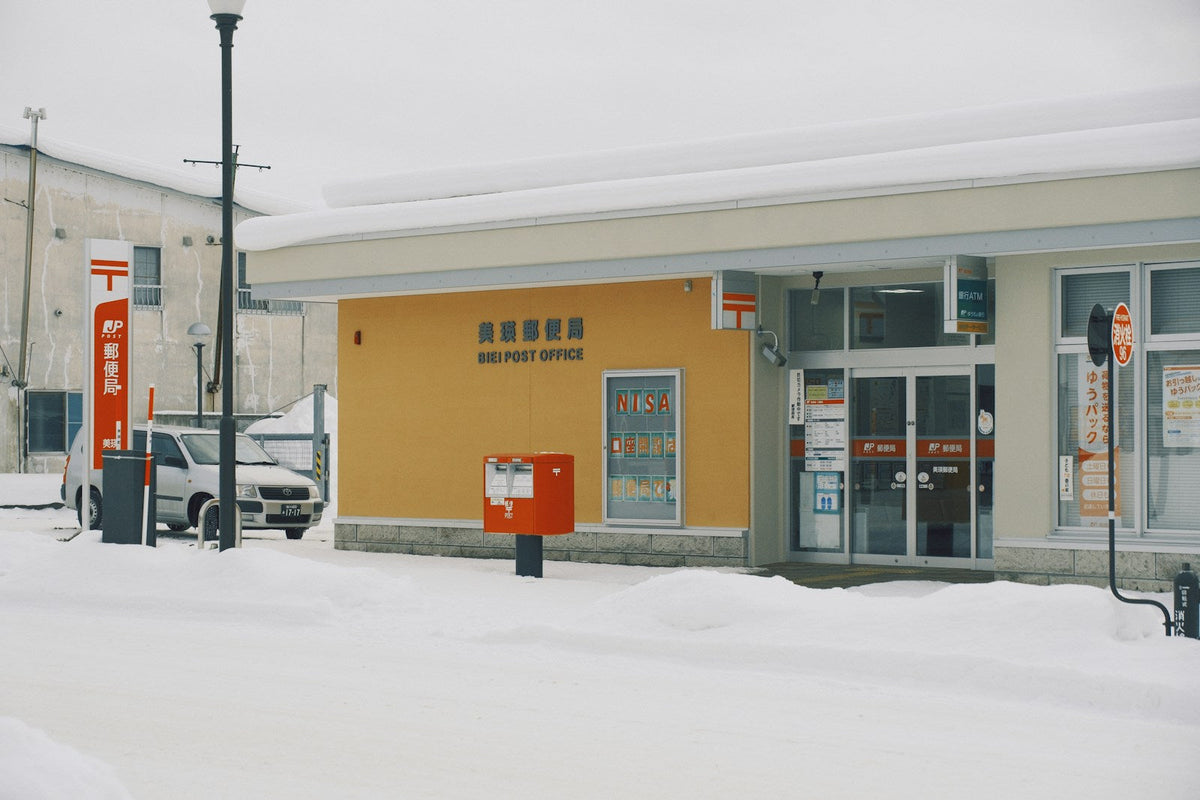


Design the perfect vending solution for your location and customers.

Join the VMFS newsletter and step into a thriving network dedicated to collective success.
One signup. Endless possibilities.
Starting a vending machine business in Alaska requires registering your business, obtaining a state business license, and understanding local tax and food safety rules, since requirements vary by city and borough. While startup and shipping costs are higher, competition is often lower, and strong locations can generate consistent sales. Success depends on securing high-traffic workplaces, using durable equipment, accepting cashless payments, and monitoring machines remotely. Operators must also comply with Alaska DEC regulations when selling regulated food items and clearly label each machine with operator information to remain compliant and trusted.
Starting a vending machine business in Alaska requires more preparation than in most states. Geography, climate, and logistics affect everything from equipment selection to service schedules. However, these same factors also reduce competition. Operators who plan carefully often find strong, dependable demand in workplaces and facilities across the state.
Rather than focusing on machine quantity, Alaska rewards operators who prioritize reliability, compliance, and location quality. Understanding the business model, legal structure, and cost realities early helps prevent mistakes that become expensive in remote markets. With the right foundation, vending can become a durable and scalable business in Alaska.
Alaska’s vending market differs sharply from most U.S. states. Many communities are geographically isolated, and retail food access is limited. In these areas, vending machines often serve as a primary food and beverage source rather than a convenience option. This creates dependable demand in the right environments.
Work patterns also favor vending. Long shifts, overnight operations, and remote job sites are common. Oil and gas facilities, hospitals, warehouses, and government buildings often operate with limited nearby food service. As a result, employees rely heavily on vending machines during work hours.
Competition remains lower than in dense metropolitan states. Fewer operators cover large service areas, which reduces saturation. However, this advantage comes with higher expectations. Machines must remain operational for longer periods, and service delays can impact trust quickly.
Climate adds another layer of complexity. Machines must withstand cold transport conditions and temperature fluctuations. Indoor placement reduces risk, but durability and maintenance still matter. Operators who plan for these realities tend to outperform those who underestimate Alaska’s environment.
A vending business generates revenue through product sales, while expenses include inventory, equipment, commissions, servicing, and transportation. In Alaska, the economics favor fewer machines with stronger performance rather than large routes with marginal locations.
Because travel time between locations can be significant, operators often focus on high-volume sites. One well-placed machine can outperform several underperforming machines spread across long distances. Therefore, route efficiency and placement strategy drive profitability more than machine count.
Expenses tend to be higher due to shipping and limited supplier access. Repairs may take longer if parts must be ordered. For this reason, reliability matters more than appearance. Preventative maintenance and consistent service schedules protect long-term revenue.
Technology also plays a growing role. Many operators use Cloud software to monitor sales, inventory levels, and service needs remotely. In larger or remote locations, Telemetry systems reduce unnecessary trips by showing real-time machine status. These tools improve efficiency and protect margins in a geographically challenging market.
Before placing machines, you must establish your business legally. Most vending operators choose a limited liability company, or LLC. This structure separates personal and business assets while remaining easy to manage. Sole proprietorships are allowed, but they expose owners to higher risk.
You must obtain a State of Alaska business license. This license authorizes you to operate statewide and must be renewed periodically. Registration also allows you to open business bank accounts and sign placement agreements.
Even without employees, obtaining a federal Employer Identification Number is recommended. An EIN simplifies tax reporting and supports relationships with suppliers and payment processors. It also reinforces financial separation between personal and business funds.
Insurance is another key step. General liability coverage protects against claims related to machine placement, customer injury, or property damage. Many property managers require proof of insurance before approving Vending machine location placement. Having coverage ready improves approval rates.
Alaska also requires operator identification on vending machines. Each unit should display the business name and contact information. This labeling supports consumer transparency and regulatory compliance.
Alaska does not impose a statewide sales tax, which simplifies operations. However, many cities and boroughs levy local sales taxes. Operators must verify tax obligations for each location to remain compliant.
Most machines that sell packaged snacks and bottled beverages do not require health permits. These items are considered low-risk. However, oversight increases when machines dispense food that requires temperature control or preparation.
The Alaska Department of Environmental Conservation oversees food safety for regulated vending operations. If your business includes these products, inspections and permits may apply. Because rules vary by municipality, many operators consult an Alaska vending machine permit guide to confirm requirements before investing in equipment.
| Requirement | Authority | When Required |
|---|---|---|
| State Business License | State of Alaska | All vending businesses |
| Local Sales Tax Registration | City or Borough | When local tax applies |
| Food Safety Permit | Alaska DEC | Fresh, frozen, or hot food |
Startup costs in Alaska exceed national averages due to freight and logistics. New machines typically cost between $3,000 and $6,500. Refurbished machines range from $1,800 to $3,500. Shipping can add several hundred to over a thousand dollars per unit.
Some operators reduce upfront strain through Vending machine financing services. Financing spreads costs over time but increases total expense. Leasing may lower entry barriers, yet it limits flexibility. Many experienced operators prefer ownership to maintain control.
Cashless payment systems add cost but increase sales. Card readers, mobile payments, and connectivity fees should be included in planning. In Alaska, reducing cash handling also improves security and service efficiency.
| Startup Cost Category | Low Range | High Range |
|---|---|---|
| Vending Machine | $1,800 | $6,500 |
| Shipping And Freight | $300 | $1,500+ |
| Initial Inventory | $300 | $800 |
| Licensing And Insurance | $150 | $600 |
Operators who budget conservatively and plan for higher logistics costs perform better long term. Alaska rewards preparation, not shortcuts.
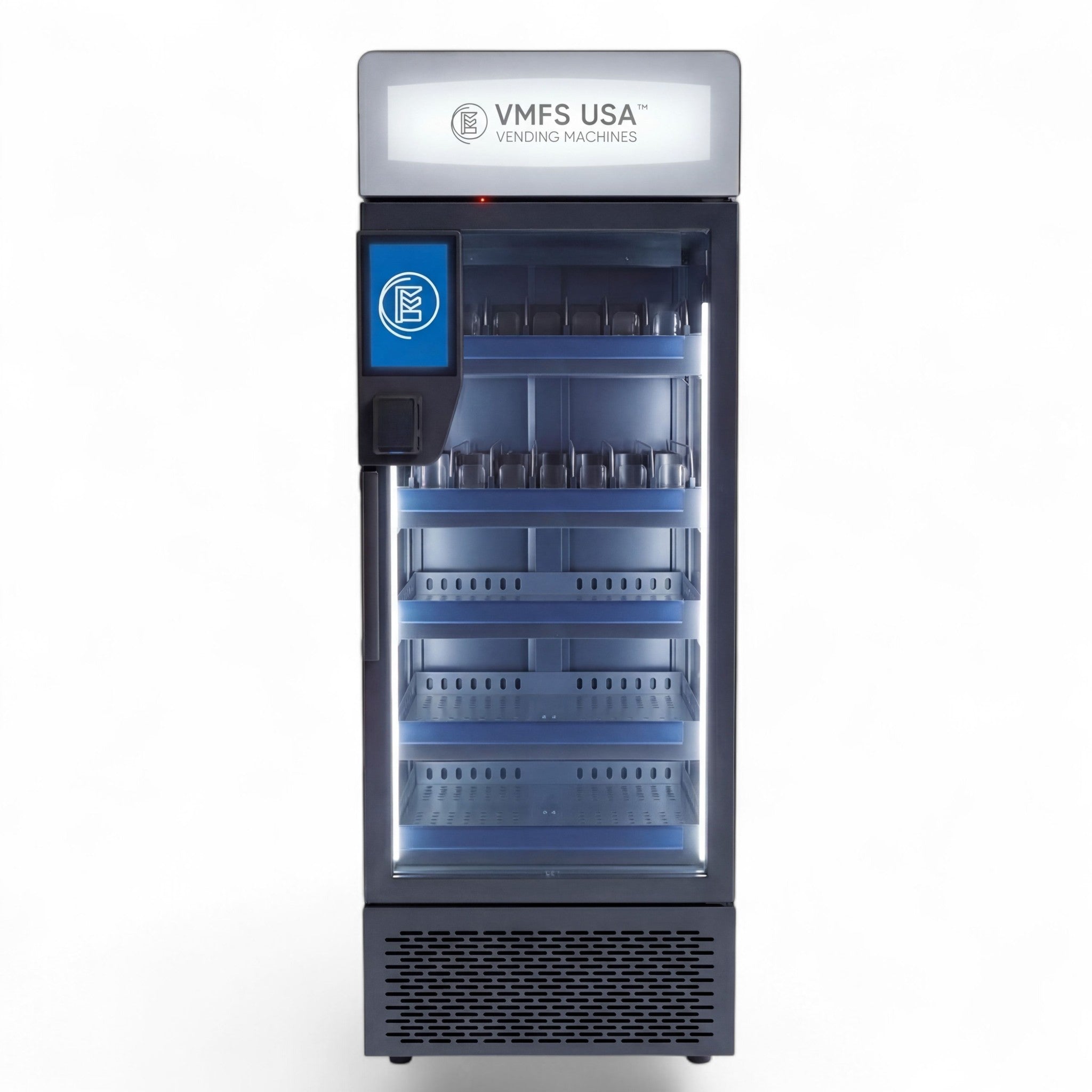
Choosing vending equipment in Alaska requires a practical, operations-first mindset. Longer service intervals, higher freight costs, and limited technician access mean machines must be reliable, easy to maintain, and matched carefully to location demand. Operators who buy based on appearance or price alone often face higher downtime and service costs.
In Alaska, the goal is not to maximize machine size. The goal is to minimize failure points while keeping products available between service visits. Equipment that performs consistently over time is far more valuable than machines that look impressive but fail under real conditions.
Different locations behave differently. Matching equipment to foot traffic and environment reduces wasted inventory and unnecessary service calls.
| Location Type | Recommended Equipment Focus | Why It Works |
|---|---|---|
| Offices & Apartments | Balanced snack and drink variety | Moderate traffic and limited space |
| Hospitals & Government Buildings | Higher capacity mixed machines | Consistent daily usage |
| Industrial & Remote Sites | Beverage-heavy machines | Long shifts and hydration demand |
For offices, apartment buildings, and smaller industrial sites, flexibility matters more than capacity. Machines should offer variety without increasing restocking complexity.
These machines perform best where traffic is predictable but not constant. Overcapacity machines often underperform in these environments.
Locations with long shifts and physical work generate stronger beverage demand. In Alaska, these environments benefit from machines that prioritize cooling reliability and volume.
Once a machine serves warm beverages, customer trust drops quickly. Cooling reliability is non-negotiable in these locations.
Service logistics play a major role in long-term profitability. Machines that are difficult to move, open, or repair increase labor time and risk.
Experienced operators prioritize machines they can service quickly, especially in remote areas.
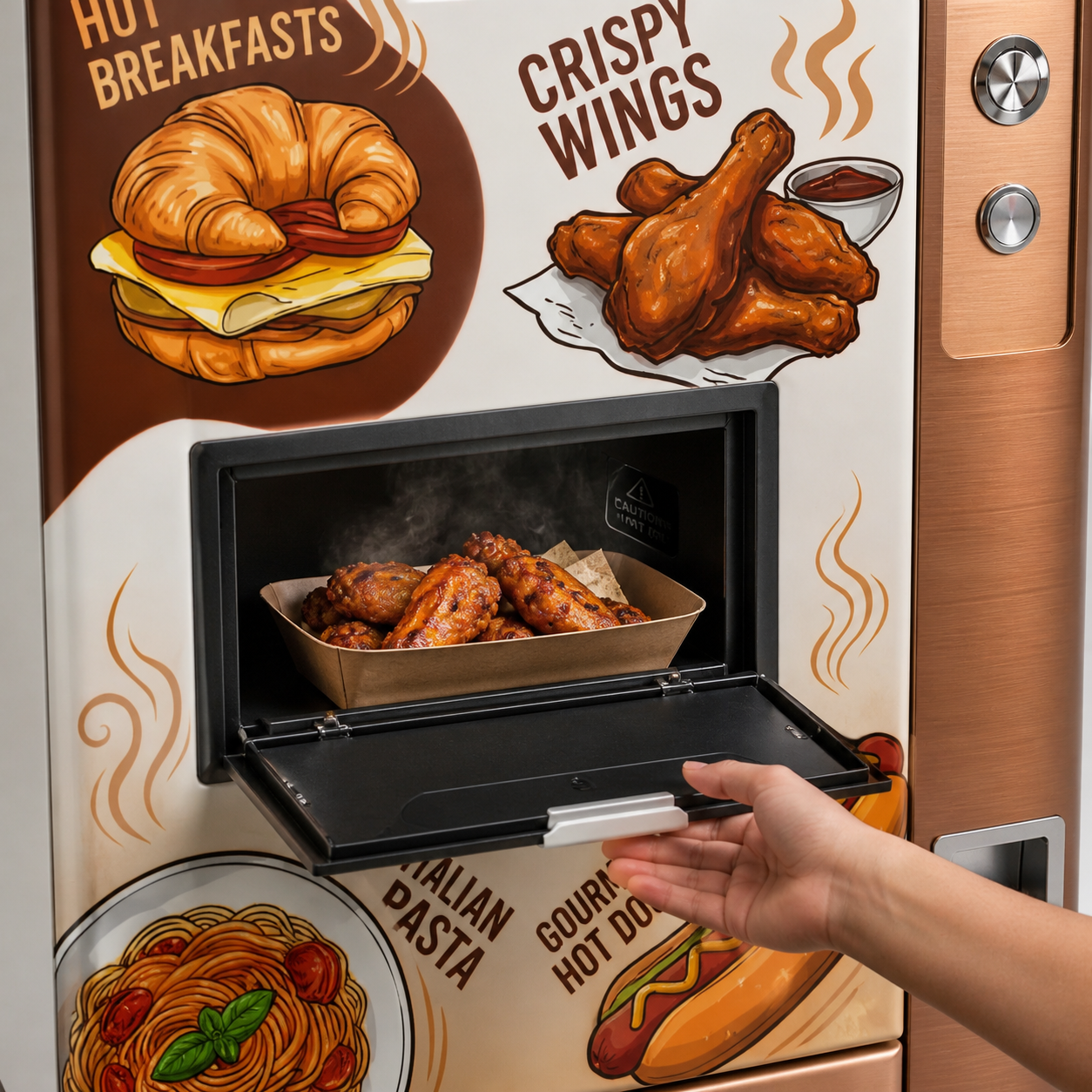
Food and specialty vending introduces higher earning potential, but also higher regulatory exposure. Alaska regulators draw a clear line between packaged vending and machines that handle prepared or temperature-controlled food.
Packaged snacks usually do not require health permits. However, oversight increases once food handling or temperature control becomes part of the operation.
Frozen products create additional operational risk. Equipment must perform reliably despite transport conditions and service gaps.
Specialty machines attract attention but also stricter review due to preparation and sanitation requirements.
For most new operators, packaged snack and beverage vending offers the best balance of simplicity, compliance, and profitability. Food vending is best added after systems and service routines are established.
Location performance determines vending profitability more than equipment cost. In Alaska, the best locations share one key trait, people remain on-site for long periods with limited food access. These environments create repeat purchases and predictable demand.
Many premium locations require commission agreements. While commissions reduce per-sale margins, they often secure long-term placement and consistent traffic. In Alaska, stability often outweighs marginal savings from free placement.
When approaching property owners, clarity matters. Operators should explain service frequency, payment options, and maintenance response times. Proof of licensing and insurance improves credibility. Offering a trial period can also ease concerns.
Vending machine profits in Alaska vary widely based on location, product mix, and service consistency. On average, a single machine may generate between $300 and $1,200 in monthly revenue. Net profit typically ranges from $150 to $600 per machine after expenses.
High-performing industrial or medical locations can exceed these averages, while low-traffic sites may underperform. Because startup costs are higher, breakeven periods may extend longer than in other states. However, lower competition often offsets this over time.
| Scenario | Monthly Revenue | Estimated Net Profit |
|---|---|---|
| Low-traffic office | $300–$500 | $150–$250 |
| Medium workplace | $600–$900 | $300–$450 |
| High-traffic facility | $1,000+ | $500–$700+ |
Operators who focus on uptime, inventory control, and strong locations achieve the highest returns. Poor service and weak placement reduce profit quickly in remote markets.
Vending rewards operators who value consistency and logistics over rapid scaling. It is not passive income, but it can become dependable income when managed properly.
A vending machine business in Alaska is worth pursuing for operators who plan conservatively and focus on quality over quantity. While entry costs are higher, strong locations and low competition create long-term opportunity. Operators who understand compliance, invest in durable equipment, and maintain consistent service often build stable routes.
This business suits owners who prefer steady cash flow and operational control. Those expecting fast returns or minimal involvement may find vending challenging. However, for disciplined operators, vending in Alaska remains a practical and defensible business model.
With realistic expectations and proper planning, vending machines can generate reliable income across Alaska’s unique and underserved markets.
Share:
Vending Machine Permit In Alabama: License, Costs, And Requirements
How To Start A Vending Machine Business In Arizona