
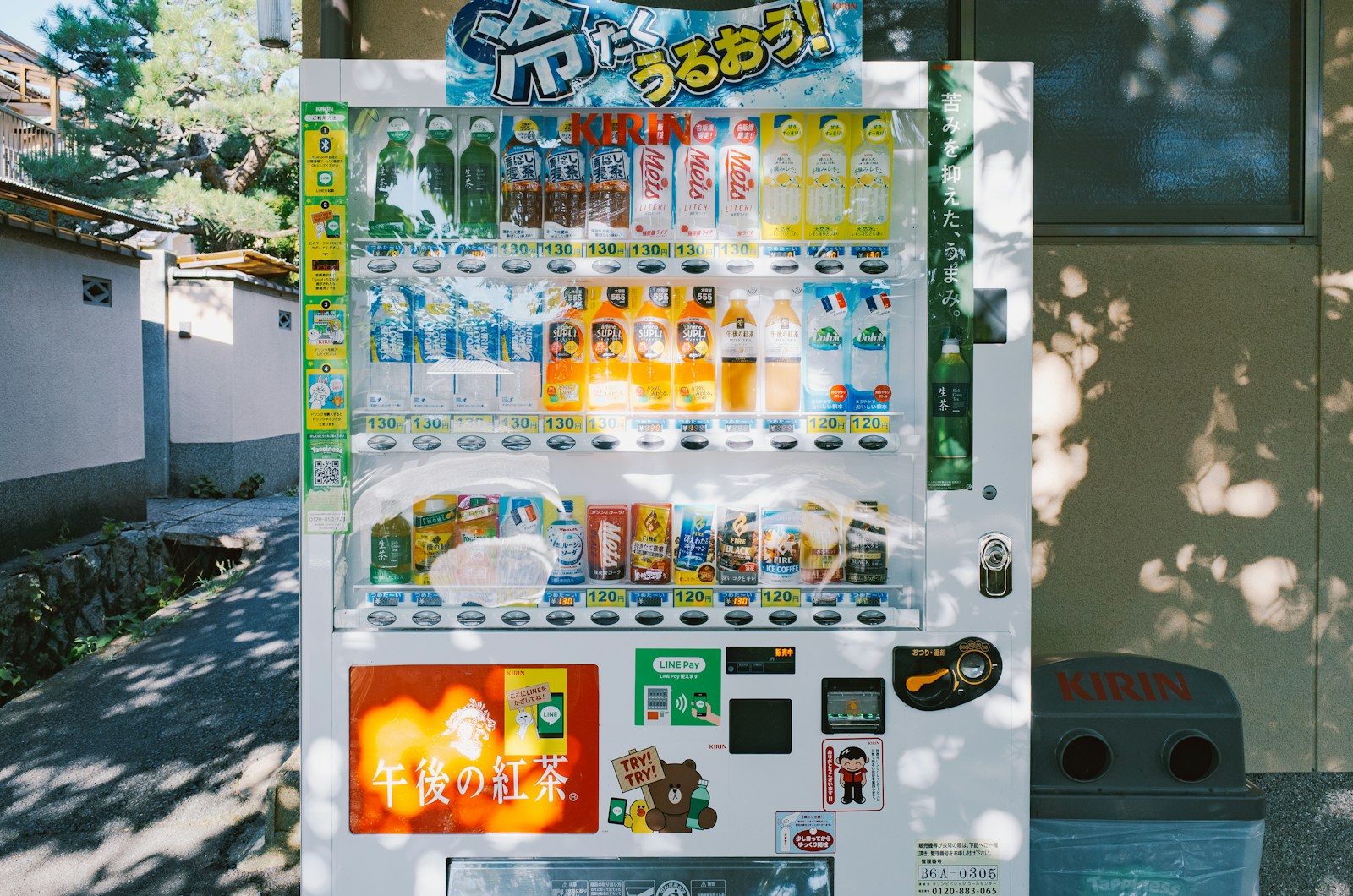
Many new operators start their search by comparing used combo vending machines and new combo vending machines. Both options can generate steady income, yet the long term results are very different. The right choice affects your maintenance costs, uptime, customer experience, and even the locations you qualify for. Since combo units handle both snacks and drinks in a single cabinet, the condition of the machine matters a lot. This guide explains how each option performs, where used machines make sense, and when new equipment provides a better return.
If you want a simple way to grow your route with reliable equipment, you will find many vending machines for sale that fit different budgets. However, before buying anything, it helps to understand how used and new machines differ in cost, capacity, technology, and long term performance.
1. What Buyers Compare When Choosing a Combo Vending Machine
When operators compare used combo vending machines with new ones, they usually focus on five main points. These include upfront cost, maintenance needs, payment technology, energy efficiency, and performance in busy locations. As a result, each option works best in specific situations. A beginner may prefer a low cost used unit, while a growing route owner may benefit more from a reliable new machine.
Below are the most common factors buyers evaluate:
- Budget: How much can you invest today, and how much can you afford to spend on repairs later.
- Location Type: High traffic sites need stable machines with fewer breakdowns.
- Capacity Needs: Larger locations often require a dual combo vending machine with more product slots.
- Technology: Cashless payments, smart telemetry, and digital displays improve sales and reliability.
- Warranty and Support: New machines offer strong warranty protection, while used units may not have any coverage.
These factors influence your revenue potential and determine how quickly you can scale your vending route. Understanding them early helps avoid costly decisions.
2. What a Combo Vending Machine Actually Includes
A combo vending machine is a single machine that dispenses both snacks and drinks. These units save space and work well in offices, schools, gyms, and break rooms. Most operators prefer them because they reduce the number of machines needed at each location. As a result, combo units can increase revenue while lowering placement costs.
Here is a quick breakdown of what a modern combo machine typically includes:
- Snack Shelves: Adjustable shelves for chips, bars, cookies, and packaged food.
- Refrigerated Drink Section: Cooled compartment for sodas, bottled water, and energy drinks.
- Payment System: Cash, card, mobile wallet, and contactless options.
- Lighting and Displays: Clear product visibility and sometimes digital screens.
- Cooling System: Critical for drink quality and machine reliability.
Newer models, such as a smart combo vending machine, also include inventory tracking, sales reports, cloud monitoring, and improved energy efficiency. Used machines may not offer these features or may require upgrades to stay competitive.
3. Used Combo Vending Machines: Pros and Cons
Used combo vending machines attract buyers because of their lower upfront price. They help beginners launch their business with minimal investment. However, the reduced cost often comes with increased maintenance and shorter lifespan. Therefore, used machines work best in low risk or low traffic environments.
Advantages of Used Combo Vending Machines
- Lower Upfront Cost: Ideal for buyers with a limited budget.
- Faster Availability: Many used machines are ready for pickup or delivery immediately.
- Good for Testing: Helps new operators learn vending without a large financial commitment.
Drawbacks to Consider
- Higher Maintenance Costs: Older machines often need repairs for motors, cooling, and payment systems.
- Limited Technology: Many older machines lack cashless payments or smart monitoring.
- Reduced Energy Efficiency: Higher power usage increases monthly costs.
- Shorter Lifespan: Used machines may require replacement sooner than expected.
- Lower Reliability: Breakdowns reduce sales and may frustrate location owners.
Used machines can still be profitable, yet they require careful inspection. Buyers should test the cooling system, check for rust or wiring issues, and confirm that the payment system works. Without these checks, repair costs can quickly surpass the savings from buying used.
Here is a simple comparison to illustrate the difference:
| Feature | Used Combo Vending Machine | New Combo Vending Machines |
|---|---|---|
| Upfront Cost | Low | Higher |
| Maintenance Cost | Higher | Low |
| Reliability | Medium to Low | High |
| Warranty | Usually None | Full Warranty |
| Payment Technology | Often Outdated | Modern Options |
This table makes it clear why used machines cost less at first but more over time. When parts fail, repairs stack up quickly, especially with older cooling systems.
4. New Combo Vending Machines: Advantages and Long Term Value
New combo vending machines cost more upfront, but they often deliver higher profit, fewer repair issues, and better location acceptance. Modern designs focus on reliability, energy savings, and customer convenience. Therefore, new equipment is the preferred choice for operators who want predictable income and strong long term performance.
Benefits of New Machines
- Lower Maintenance: New machines rarely break down, reducing service calls and lost sales.
- Higher Reliability: Strong cooling systems keep drinks at the right temperature.
- Better Location Approval: Offices and premium sites prefer modern equipment.
- Improved Energy Efficiency: Saves money each month.
- Modern Technology: Many models include smart monitoring, payment updates, and advanced displays.
New machines also protect your brand image. A clean, modern look helps attract more customers and supports better placement negotiations. Operators who plan to grow their route often choose new models from the start because of their long term stability.
5. Cost Comparison: What Buyers Actually Spend
When comparing used combo vending machines with new options, many buyers focus only on the initial price. However, the true cost includes maintenance, downtime, repairs, and energy use. Because these costs add up quickly, it is important to evaluate both short term and long term expenses.
| Cost Type | Used Machine | New Machine |
|---|---|---|
| Upfront Price | Low (often 1,000–3,000 USD) | Higher (usually 5,000–7,500 USD) |
| Yearly Maintenance | High (frequent part replacements, servicing) | Low (warranty, newer components) |
| Repair Frequency | Frequent | Rare |
| Energy Cost | Higher (older motors, inefficient cooling) | Lower (modern cooling, efficient components) |
| Cashless Upgrade Cost | Often Required | Already Included |
According to recent industry summaries, combo vending machines typically range between 5,000 USD and 7,500 USD when new. Used machines, depending on age and condition, often sell for 1,000 USD to 3,000 USD for older snack-only or basic units, and slightly more for combo setups.
Since used machines cost less upfront but more in repairs, many operators choose financing to make new equipment affordable. With vending machine financing, the monthly payment is often lower than the cost of ongoing repairs on older units. This helps preserve cash flow while allowing you to start with dependable equipment.
6. How Financing Makes New Machines More Affordable
Many buyers lean toward used combo units because the upfront cost is lower. However, new combo vending machines become much more accessible once financing enters the picture. Financing spreads the cost into simple monthly payments, which allows operators to start with reliable equipment without tying up large amounts of cash.
Why financing helps new operators:
- Lower Upfront Cost: Instead of paying the full machine price at once, operators make small monthly payments.
- Predictable Expenses: Repair surprises from older machines often exceed monthly financing payments.
- Better Reliability: A new smart combo vending machine runs smoothly and rarely needs service calls.
- Warranty Protection: New units come with parts and labor coverage, which reduces long term risk.
- Faster Scaling: Operators can place multiple machines sooner by preserving cash.
When comparing costs, many operators discover that financing a new machine is cheaper than repairing an older one. With vending machine financing, you can launch with modern equipment, secure better locations, and generate consistent income from day one.
7. When a Used Combo Vending Machine Makes Sense
Although new machines offer better long term value, used combo vending machines still play an important role. They are useful for low risk situations where reliability is not the biggest concern. Used units can also help beginners learn the basics of stocking, pricing, and servicing routes before upgrading.
Used machines work best when:
- You are testing a new location with low or uncertain foot traffic.
- You want to learn vending without a large financial commitment.
- Downtime will not damage your relationship with the location owner.
- You are operating in small offices or break rooms with limited demand.
In these situations, the lower upfront cost of a used unit may be the right fit. However, buyers should still inspect motors, compressors, and payment systems before purchasing. A used machine that needs multiple repairs will quickly erase any cost savings.
8. When a New Combo Vending Machine Is the Better Investment
When performance, uptime, and customer experience matter, new combo vending machines provide far better results. Locations with steady traffic or corporate clients expect modern equipment that works every day without interruptions. As a result, new machines protect your reputation and encourage long term contracts.
Choose a new machine when:
- You serve busy commercial locations or workplaces with high daily usage.
- You need a reliable cooling system for drinks and refrigerated snacks.
- You want to offer cashless payments and contactless options.
- You plan to use a dual combo vending machine for extra product capacity.
- You want consistent income without frequent repairs.
- You care about appearance and want a machine that matches premium environments.
For many routes, a new combo vending machine becomes the smarter long term investment because it reduces maintenance costs and increases placement opportunities. Locations often prefer machines with modern sensors, bright displays, and strong cooling, which older units may not provide.
Modern units also include smart features. Cloud monitoring helps you track sales, check inventory, and reduce service trips. This benefit alone can increase profitability, especially when the machine is placed in high traffic areas.
9. Final Recommendation: Which Option Should You Choose?
Both used and new combo vending machines can generate solid revenue, but each option fits different goals. Used machines work best for testing routes, learning operations, or serving low volume locations. They keep the upfront cost small, yet they require more repairs and may not support modern payment options.
New machines cost more upfront, but they deliver better reliability, lower maintenance, and stronger performance in busy areas. They are also easier to finance, which allows you to start or scale your route without major cash strain. If your goal is long term growth, a new combination vending machine can offer the stability and professionalism needed to secure strong locations.
When deciding between used and new, focus on your location type, budget, maintenance tolerance, and growth plans. In many cases, operators discover that new equipment pays for itself through uptime, durability, and consistent sales.
10. Frequently Asked Questions
Used combo vending machines can operate reliably in low traffic locations, but performance often depends on age, past maintenance, and component wear. Older units may require frequent repairs to motors, sensors, or cooling systems. Payment technology may also be outdated, which can reduce sales in offices or gyms that prefer cashless options. This is why used machines work best in small or low risk routes where occasional downtime does not affect revenue heavily.
New combo vending machines are built to last many years when maintained properly. Most modern units include updated cooling systems, stronger motors, and improved wiring, which increases lifespan. Many manufacturers estimate an average life of seven to ten years or more, especially when placed indoors. New machines also come with warranty coverage that protects the operator from unexpected issues during the early years of operation.
Smart combo vending machines usually increase sales because they accept modern payment methods, display products clearly, and allow remote monitoring. Cashless acceptance alone can boost revenue since many customers prefer cards or mobile wallets. Remote inventory tracking also reduces stockouts and service trips. These features improve convenience for both the operator and the customer, which often leads to higher repeat purchases.
Yes, many operators choose financing because it reduces the upfront cost and allows them to start with new equipment. Financing spreads the expense into manageable monthly payments, which makes it easier to scale without tying up capital. It is often cheaper to finance a new machine than to buy a used unit that needs frequent repairs. Financing also pairs well with warranty coverage, which lowers long term risk.
A dual combo vending machine is best for high traffic locations that require greater product variety and more inventory space. These machines combine expanded snack shelves with a larger drink compartment, which reduces restocking frequency. Busy areas such as schools, corporate buildings, hospitals, and gyms benefit from the higher capacity because customers expect constant product availability. If a single combo machine cannot keep up with demand, upgrading to a dual combo model often solves the problem and increases total revenue.
Conclusion
Choosing between used combo vending machines and new combo vending machines depends on your goals and the type of locations you serve. Used units help reduce upfront cost, yet they require more repairs and may limit the locations you qualify for. New machines offer reliable performance, modern features, and strong placement appeal, especially when combined with flexible financing. If you want predictable income and easier scaling, a new machine is usually the better investment.
Share:
How To Get A Vending Machine License In The United States
How To Get A Vending Machine License In The United States