
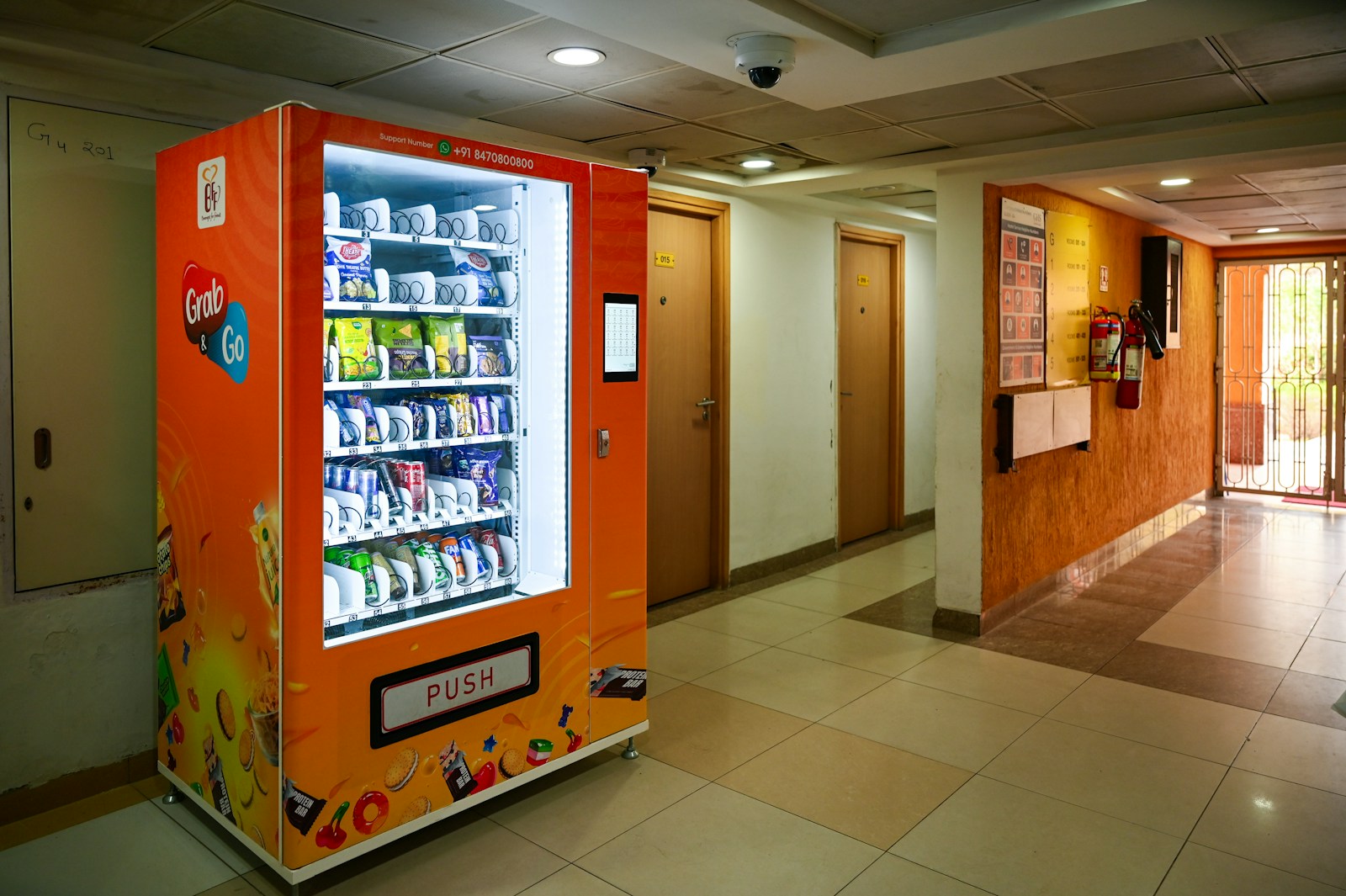
Across the United States, access to emergency contraception is evolving. A plan b vending machine is a secure, temperature-controlled system that dispenses FDA-approved emergency contraception and other over-the-counter (OTC) medicines without requiring direct assistance from staff. These machines gained national attention when Planned Parenthood and several universities began using them to make Plan B and similar products available at any hour. They combine the reliability of modern medicine vending machines with the privacy that users need when seeking sensitive healthcare products.
The reason behind this innovation is simple, access and timing matter. Plan B, which contains levonorgestrel, is most effective within seventy-two hours after unprotected intercourse. Yet in many areas, pharmacies close early or are located far from those who need them most. Some people also feel hesitant to request emergency contraception in person. By installing digital vending machines in clinics, campuses, and community spaces, health providers can remove barriers, reduce waiting times, and protect privacy. These machines allow discreet purchases using cards or campus payment systems while maintaining proper storage and security.
The University of Connecticut offers a strong example of this new approach. Its Student Health and Wellness team introduced a “Wellness to Go” machine that sells Plan B and other OTC essentials on campus. Similar programs by Planned Parenthood show how automation can support access to reproductive care beyond clinic hours. Together, these initiatives show how speciality vending machines are becoming tools of public health, providing fast, private, and responsible access to essential care wherever it is needed.
The Problem, Limited Access To Emergency Contraception
Access Delays And Social Barriers

Many people still struggle to get emergency contraception when they need it most. Pharmacies often close early, and travel distance adds more delay. In smaller towns, there may be only one pharmacy, and it might not open on weekends. Even when access exists, some people feel judged or uncomfortable asking for Plan B in person. Together, these obstacles create real barriers at a time when speed is essential.
Why Timing Matters
Plan B, which contains levonorgestrel, works best within seventy-two hours after unprotected intercourse. Every hour counts, and any delay can lower its effectiveness. Limited hours, high costs, or transportation issues can cause missed opportunities for protection. As a result, access becomes a matter of chance rather than choice.
How Vending Machines Fill The Gap
This is where plan b vending machines and other medicine vending machines become essential. They remove barriers by providing instant, private, and secure access to FDA-approved emergency contraception. These units are designed with temperature control, camera-free privacy, and modern payment systems. They also include related products such as:
- Pregnancy tests and basic wellness kits
- Pain relievers and personal hygiene products
- Other over the counter (OTC) medicines used for everyday needs
Importantly, these digital vending machines do not replace pharmacies or clinics. Instead, they extend care into more locations, making it easier to act quickly and quietly. Health organizations like Planned Parenthood support these systems because they improve fairness and dignity in reproductive care. They offer another way to reach people who cannot visit a pharmacy in time.
The UConn Example
The University of Connecticut (UConn) provides a clear example of how access can change through innovation. Before introducing its “Wellness to Go” vending machine, students faced limited pharmacy hours and social pressure. After the program launched, Plan B and other OTC items became available twenty-four hours a day. This simple change reduced delays and made care more equal across the student population. It also proved that a speciality vending machine can handle health products safely while following state and campus rules.
In short, the problem is not just availability, but accessibility. Without fast, private options, many people lose valuable time. Plan B vending machines fill that gap, ensuring emergency contraception is close, reliable, and ready when needed.
The Solution, How Medicine Vending Machines Expand Access
Turning Innovation Into Practical Access

A plan b vending machine represents a new way to connect technology with healthcare. It brings the reliability of automation into sensitive areas of public health. These machines provide on-demand access to emergency contraception and other essential items, giving people privacy, speed, and independence. Unlike a pharmacy counter, a vending machine is free from social pressure. It serves everyone equally, regardless of schedule, background, or comfort level. This calm and consistent accessibility helps reduce the emotional barriers that often prevent people from seeking timely care.
The Role Of Health Providers And Partners
Organizations like Planned Parenthood view vending systems as an extension of community healthcare, not as a replacement. They help maintain compliance, train operators, and ensure every medicine vending machine or pill vending machine dispenses only FDA-approved products. In some areas, local pharmacies and health departments collaborate to restock and monitor these units. This shared responsibility keeps the machines safe, accurate, and aligned with public health standards.
Expanding Beyond Contraception
These vending systems go beyond emergency contraception alone. Many otc vending machines and otc medication vending machines now include items such as cold medicine, allergy relief tablets, and personal hygiene supplies. Some models also feature menstrual products and vitamins. By stocking these essentials together, operators make health care more convenient and predictable. This structure turns a single machine into a round-the-clock wellness hub that supports a wider range of needs.
Smart Design And Secure Technology
Modern digital vending machines and speciality vending machines use technology to maintain trust and precision. Internal temperature sensors protect the integrity of medications, while software tools track inventory and send automatic alerts when supplies run low. Operators can manage data remotely, update pricing, or review purchase trends to plan restocks. These functions make the system reliable and transparent. When combined with secure payment methods and identity protection features, they create an environment that respects both privacy and safety.
Why This Solution Works
The effectiveness of these machines comes from three main factors: accessibility, discretion, and accountability. Accessibility ensures that Plan B and other over the counter medicine vending machines remain available in high-traffic and high-need areas. Discretion gives users confidence to act quickly without judgment. Accountability, enforced through oversight from partners like Planned Parenthood and universities such as UConn, ensures machines remain compliant and properly stocked. Together, these elements form a practical and scalable solution that extends healthcare access far beyond traditional hours and locations.
As communities continue to explore ways to make reproductive care more available, new vending machines provide a clear path forward. They merge reliable technology with social responsibility, proving that innovation can serve both efficiency and empathy. With proper regulation and cooperation, they can become a standard feature in schools, clinics, workplaces, and transit centers, offering people a simple way to protect their health whenever they need it.
How It Works, Inside A Plan B Vending Machine
Understanding The System

A plan b vending machine works like a standard vending unit, but with enhanced security, temperature control, and compliance settings. Each machine is programmed to store and dispense emergency contraception safely, ensuring the medication remains within the recommended temperature range. Inside, sensors track humidity, temperature, and product movement. These readings are monitored remotely through a connected dashboard. Operators can review data in real time, confirm product freshness, and manage restocking without on-site supervision. This combination of hardware and software turns a simple vending box into a regulated healthcare device.
Simple User Experience
The process of purchasing through a digital vending machine is designed to be discreet and efficient. A user approaches the screen, selects the product, reads clear on-screen instructions, and completes payment with a card or digital wallet. Some university systems, such as the University of Connecticut’s “Wellness to Go” program, even allow campus payment cards for transactions. Once the purchase is approved, the machine delivers the product in a tamper-proof compartment that opens only after the user confirms retrieval. This design ensures privacy while protecting inventory from misuse.
Technical Design And Features
Most medicine vending machines and otc vending machines that stock Plan B include features that make them different from standard snack or drink models. These machines are fitted with:
- Temperature control (to maintain the safe range for medication)
- Remote diagnostics for real-time monitoring and alerts
- Audit tracking to verify sales and confirm stock rotation
- Secure dispensing mechanisms that prevent tampering or double vend errors
- Privacy screens and low-light modes for use in quiet areas
These features make speciality vending machines appropriate for use in clinics, universities, and public locations. They follow pharmacy-level storage and maintenance standards while remaining simple enough for everyday users.
Safety And Maintenance
Proper operation depends on regular inspection, restocking, and data review. Many health organizations partner with licensed pharmacists or trained technicians to maintain compliance. Machine logs record every sale, temperature reading, and access event, which provides a transparent record for accountability. Through these steps, operators protect the integrity of the products and the trust of the people who rely on them. Every interaction reinforces the main goal, providing emergency contraception in a way that is safe, private, and consistent.
Why This Model Works
The strength of the system lies in its clarity and consistency. Users understand what to expect, and operators know how to verify safety. A person can buy Plan B at midnight with the same confidence as at noon. With a combination of regulated technology and trained oversight, plan b vending machines deliver reliable reproductive healthcare in a modern, approachable format. They show how innovation can translate policy into action by making essential medicine available around the clock, wherever people need it.
Tools And Costs, What It Takes To Operate One
Initial Setup And Planning
Launching a plan b vending machine requires careful coordination between technology suppliers, health providers, and local authorities. Before installation, operators should confirm FDA guidelines and review state or campus regulations. Choosing the right machine type is the first major decision. Basic otc vending machines offer a straightforward setup, while digital vending machines and speciality vending machines include software, temperature controls, and monitoring tools. Planning also includes choosing a secure location with reliable power and internet access for cloud tracking and alerts.
Machine Types And Price Range
The total cost depends on size, technology, and security level. Entry models may cost less than $5,000, while advanced units designed for medical use can exceed $10,000. The table below summarizes common options and their characteristics.
| Machine Type | Key Features | Approximate Cost (USD) | Best For |
|---|---|---|---|
| Basic OTC Vending Machine | Simple payment system, limited temperature control | $3,000–$5,000 | Small clinics, campus health offices |
| Digital Vending Machine | Cloud monitoring, real-time restock alerts, card payment | $6,000–$8,000 | Hospitals, large universities, community centers |
| Speciality Vending Machine | Advanced security, temperature regulation, audit trail | $8,000–$12,000+ | Public health programs, clinics, transportation hubs |
Stocking And Maintenance
Restocking involves sourcing FDA-approved Plan B or its generic versions such as levonorgestrel tablets. Costs vary by supplier, but bulk purchasing can lower expenses for universities and clinics. Each product needs an expiration date check and a visual inspection before loading. Operators should log every restock to maintain accountability. Machines also require software updates, payment system checks, and basic cleaning. When managed correctly, operating costs remain predictable, allowing sustainable use across multiple locations.
Funding And Partnerships
Funding models differ based on ownership and mission. Universities often use student wellness budgets or small student fees to fund machines. Community clinics may rely on grants or partnerships with organizations like Planned Parenthood. These collaborations ensure that the vending systems remain stocked and affordable. Some institutions choose partial subsidies, lowering the retail price of over the counter medicine vending machines to encourage consistent use. In every model, collaboration is key, since it keeps costs low while expanding access.
Revenue And Sustainability
While the main goal is public health, not profit, operators can still maintain financial sustainability. Machines can offer additional OTC products, including allergy relief or pain medication, to support ongoing costs. Some locations integrate these vending systems into broader wellness programs that track usage and outcomes. The more a machine serves community needs, the more value it provides to the organization that manages it. In this way, a single plan b vending machine becomes both a tool of care and a long-term public investment.
Compliance, Risks, And Legal Framework
FDA Regulations And Product Standards
Operating a plan b vending machine requires strict adherence to federal and state regulations. The U.S. Food and Drug Administration (FDA) classifies levonorgestrel-based Plan B as an over-the-counter (OTC) medication, meaning it can be sold without a prescription. However, any vending machine distributing medical products must maintain product safety, storage quality, and labeling accuracy. Operators must ensure that every unit dispenses genuine, FDA-approved products within their expiration period. Temperature control is mandatory because the active ingredient can lose effectiveness if exposed to excessive heat. Documentation of these conditions is critical for compliance audits and public trust.
State And Local Requirements
State rules can differ significantly. In Connecticut, for example, lawmakers supported wider access by allowing medicine vending machines to sell OTC contraception under the supervision of licensed health professionals. This policy enabled the University of Connecticut to introduce its “Wellness to Go” vending program. Other states may require coordination with pharmacy boards or campus health departments before installation. It is essential to review local regulations early, obtain written authorization if needed, and ensure that the vending location meets security and privacy standards. Doing so prevents interruptions and builds credibility within the community.
Privacy And Ethical Considerations
Privacy is one of the most sensitive aspects of distributing emergency contraception. Each digital vending machine must be positioned in a discreet area, often near restrooms or student health offices, to ensure user comfort. Transactions should be anonymous, with no personal data stored after payment. The goal is to allow individuals to access care without fear of judgment or exposure. Planned Parenthood and similar organizations often provide guidance on layout, signage, and staff communication to reinforce a respectful environment. Upholding privacy not only meets ethical standards but also increases public confidence in the service.
Risk Management And Machine Security
Like any medical distribution point, vending systems carry operational risks. Machines must be equipped with tamper detection, locking systems, and surveillance coverage in public settings. Routine maintenance prevents mechanical failure and product jams that could delay access. Data encryption protects payment transactions and operator dashboards from unauthorized entry. Regular staff training ensures that refills and repairs follow consistent safety steps. When each layer functions correctly, the machine becomes a secure extension of healthcare infrastructure rather than a liability.
Partnerships And Oversight
Collaboration is essential for accountability. Many programs partner with health departments, pharmacy schools, or nonprofit organizations such as Planned Parenthood to manage compliance and oversight. These partners help verify inventory, review safety logs, and educate communities about proper usage. At universities, student wellness offices often monitor stock levels and coordinate restocks with certified suppliers. By maintaining this oversight, institutions protect both users and their own reputations. Compliance, in this sense, is not just about following laws, it is about maintaining integrity in public health delivery.
Ultimately, legal structure and ethical practice work hand in hand. A well-regulated speciality vending machine can meet all health standards while providing equitable access to essential medicine. With proper licensing, training, and data control, operators can reduce risk and expand trust in automated reproductive health services across campuses, clinics, and community settings.
Case Studies, Real Implementations
The University Of Connecticut, Wellness To Go Program
The University of Connecticut (UConn) became a national example of how innovation can remove healthcare barriers. Its Student Health and Wellness department launched the Wellness to Go vending machine in the Student Union to offer 24-hour access to Plan B, pregnancy tests, and other over the counter products. Students can purchase items using their campus payment cards or standard debit and credit options. Before the program, students had to rely on pharmacy hours or off-campus options, which caused unnecessary delays. After installation, usage reports showed consistent demand and strong student support, proving that access through technology could solve a persistent health problem. The initiative also demonstrated that a speciality vending machines can safely store and dispense medication under regulatory guidance while protecting student privacy.
Planned Parenthood, Extending Access Beyond Clinic Hours
Planned Parenthood has integrated vending technology into its mission of expanding reproductive healthcare. In several locations, including Washington and Idaho, clinics installed emergency contraception vending machines directly outside health centers. These machines offer Plan B and other wellness essentials at affordable prices, allowing people to obtain care after business hours. The design is straightforward, with digital payment, simple instructions, and tamper-proof compartments for each product. The organization views these machines as a bridge between in-person care and digital accessibility. By pairing technology with community education, Planned Parenthood reinforces its long-standing goal of ensuring privacy, safety, and equality in reproductive health access.
University And Community Partnerships
Beyond UConn, other universities such as Stanford and George Washington University have followed similar models. These campuses introduced digital vending machines equipped with secure payment systems, compliance logs, and multi-product storage. Many community health departments have partnered with local universities to share cost and oversight responsibilities. This collaboration helps maintain consistent standards for product quality and public safety. In many cases, these programs also distribute menstrual products, condoms, and hygiene items, broadening their role from single-purpose machines to comprehensive wellness stations.
Community Clinics And Public Health Centers
Outside of academia, community health clinics are piloting medicine vending machines in waiting areas and transportation hubs. These machines allow walk-in visitors or commuters to access essential products without waiting in line. Cities experimenting with public wellness vending report that the model works best when combined with outreach campaigns. These campaigns explain what the machines offer and how they maintain safety standards. When people understand the process, participation and trust rise sharply. The lesson is clear, visibility and communication are as important as technology itself.
Results And Broader Impact
Across all these examples, the results share a common theme, reduced barriers and greater privacy. Users appreciate being able to access Plan B discreetly, while administrators value the consistency of automated systems. For universities, the machines support student wellness programs. For healthcare providers, they represent an extension of service beyond regular hours. In both cases, plan b vending machines combine practicality with empathy, giving people control over their own timing and choices. Each success reinforces the message that small changes in technology can lead to significant improvements in public health access.
FAQs
It is a secure medicine vending machine that dispenses emergency contraception and other over the counter products without staff assistance.
Yes, Plan B is approved for over the counter sale nationwide, but each state or institution sets its own rules for vending distribution.
Prices vary, but most plan b vending machines sell it between ten and forty dollars, depending on supplier contracts and subsidies.
Maintenance is handled by the operator or partner organization, often in collaboration with campus health teams or clinics such as Planned Parenthood.
Conclusion
The idea of a plan b vending machine reflects a clear shift in how reproductive healthcare is delivered. It moves essential products like emergency contraception from behind the counter to accessible, private spaces where anyone can reach them easily. What began as an innovative step by UConn and Planned Parenthood has become a proven example of how automation can support human dignity. These machines bridge the gap between healthcare need and timing, ensuring that no one is limited by pharmacy hours, distance, or hesitation.
As technology continues to evolve, digital vending machines and speciality vending machines will likely become standard tools in clinics, universities, and community centers. Their purpose is simple yet significant, to make safe, regulated, and affordable care available at any time. When organizations, health leaders, and educators work together, they create a system that values privacy as much as access. This balance of technology and empathy represents the next chapter in public health, one where care meets people wherever they are.
Share:
Best Lego Vending Machine Locations To Maximize Sales
Best Lego Vending Machine Locations To Maximize Sales